Brazil Slashes Import Taxes on 11 Food Items to Combat Soaring Inflation
Brazil’s Executive Management Committee has approved the elimination of import taxes on 11 essential food items. The government aims to increase supply and reduce prices amid persistent food inflation that reached 7.25% in January 2025.
The measure follows President Lula’s announcement last week and forms part of the administration’s broader inflation-fighting strategy. The tax cuts affect several staple products previously taxed at rates ranging from 7.2% to 32%.
Frozen boneless beef saw its 10.8% tax removed, while both roasted and unroasted coffee dropped from 9% to zero. Corn grain, previously taxed at 7.2%, now enters Brazil tax-free.
Pasta products, cookies, and biscuits experienced significant reductions from 14.4% and 16.2% respectively. Other beneficiaries include extra virgin olive oil and crude sunflower oil, both previously taxed at 9%.
Cane sugar imports dropped from 14.4% to zero. Sardine preparations and preserves received the largest cut, from 32% to zero, though limited to a 7,500-ton import quota.
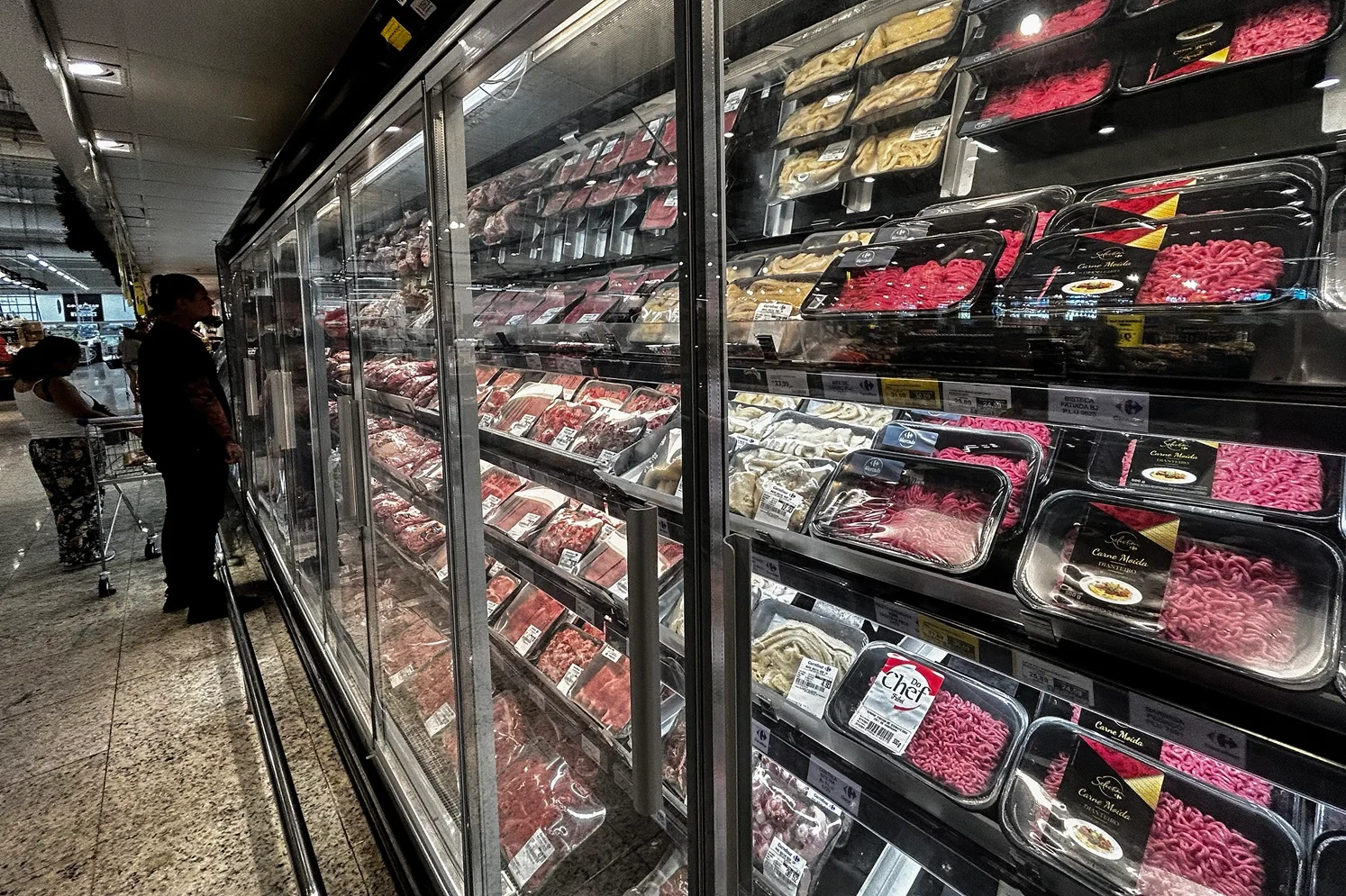
Brazil’s Efforts to Curb Rising Food Costs
Vice President Geraldo Alckmin, who also serves as Minister of Development, Industry and Commerce, estimates the measure could cost R$650 million ($127 million) in foregone revenue annually.
He emphasized the temporary nature of the tax cuts, which will remain “for as long as necessary” to curb rising food costs. Brazil faces persistent inflation challenges, with overall prices increasing 4.56% in January, exceeding the central bank’s tolerance band of 4.5%.
The mid-month inflation reading for February shows further acceleration to 4.96%. Food prices have particularly burdened Brazilian households, contributing significantly to inflation.
The government previously implemented similar measures in May 2022, when it zeroed import taxes on seven food categories including beef, chicken parts, and wheat flour. Officials view these policies as creating market contestability rather than directly reversing inflation.
Climate disruptions and currency depreciation have primarily driven food price increases in Brazil. The Brazilian real has lost 15.85% against the dollar over the past year, increasing imported goods costs throughout supply chains.
The administration has also requested that state governments eliminate their ICMS value-added tax on basic food items, though this has received mixed responses from governors. At least 14 states already apply differentiated rates for essential foods.
More: Brazil news in English, every day from The Rio Times.
This article was produced by The Rio Times’ automated newsroom system. How we use AI · Report an error
LatAm Markets: Live Signals → — real-time movers, turnover leaders and FX across Latin America.
Read More from The Rio Times