Australian pop culture inspired by the unique wildlife
Unlike any other location around the world, the natural history and wildlife of Australia constantly fascinate tourists who visit the country, along with being emblematic of the people who reside there.
This is because most of the huge variety of animals are endemic to the location itself, which means their unique evolution is a direct result of the continent’s isolated situation, separate from any other land masses for millions of years.
This vast, open land is filled with remarkable natural wonders and some of the most distinctive animal species, instantly recognizable because they are so different.
We may witness these creatures elsewhere, such as in zoos and conservation sites worldwide, although we immediately know they originally hailed from Australia.
Boasting a rich natural history that is without compare, inevitably, the animals that populate this country have also become popular cultural icons, often regarded as being emblematic of the modern residents of this great country.
These creatures often have spiritual significance to the original Aboriginal occupants, which are increasingly embraced as core values upheld by modern society.
And as one might imagine, such important animals are held in the highest regard by Australian people, who relish their appearance in symbolism and pop culture.
Mindful of this, let’s take a look at some of the most famous animals of Down Under wildlife, discovering intriguing ways they feature in modern society.
Tasmanian Devil

Many of us will instantly recognize the name, thanks to the popular Looney Tunes cartoon character known as “The Tasmanian Devil” or simply “Taz” in animated shows through the 1950s and 1960s.
But like many fictional creations in popular culture, the real animal itself bears little resemblance to the cartoon creature, which became famed for its frenzied activity and loudness.
Nevertheless, the international fame of the character did attract important ecotourism interest in Tasmania, where the largest surviving carnivorous marsupial still resides, although they are also classified as an endangered species.
Based on ABC news reports, the 2022 population is believed to be around 25,000 and could increase in 2023, highlighting the success for breeding programs based in Tasmania and the Australian mainland.
When they trademarked the Tasmanian Devil name and character in 1997, Warner Bros (WB) had also given their popular cartoon star his Taz-Mania show, although they were also keen to police use of the name and trademark elsewhere.
This actually led to some conflicts with Australian and Tasmanian companies, although in 2006, WB reached an agreement with local authorities, including the sale of stuffed toys with sales contributing to conservation.
Kangaroo
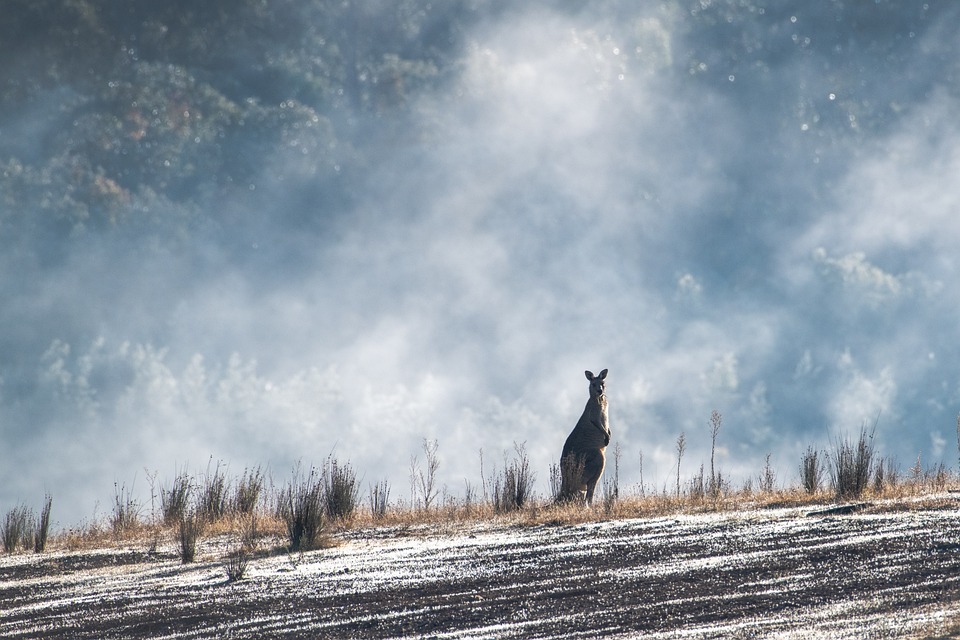
Perhaps the most emblematic animal species of them all, the kangaroo enjoys a prominent status in the very identity of Australia, featuring in the Commonwealth Coat of Arms alongside the emu.
Interestingly, those choices were made around the anecdotal belief that neither animal can move backward, symbolizing Australia’s forward-moving nature.
Instantly recognizable by the red kangaroo logo, national airline Qantas is also known by “The Flying Kangaroo” nickname, while this cherished animal enjoys widespread appearances throughout Aussie pop culture.
This extends to the iconography and imagery used in Australian online pokies, which are easily the most popular online casino games throughout the country, commonly known as slots elsewhere around the world.
For the Indigenous Australian population, kangaroos also hold great spiritual and cultural significance, frequently appearing in Aboriginal paintings and stories dating back thousands of years.
Intriguingly, this remarkable animal has become symbolic of Australian values, underpinned by the ideas of strength, ambition, protection, and ease of movement.
Wallaby
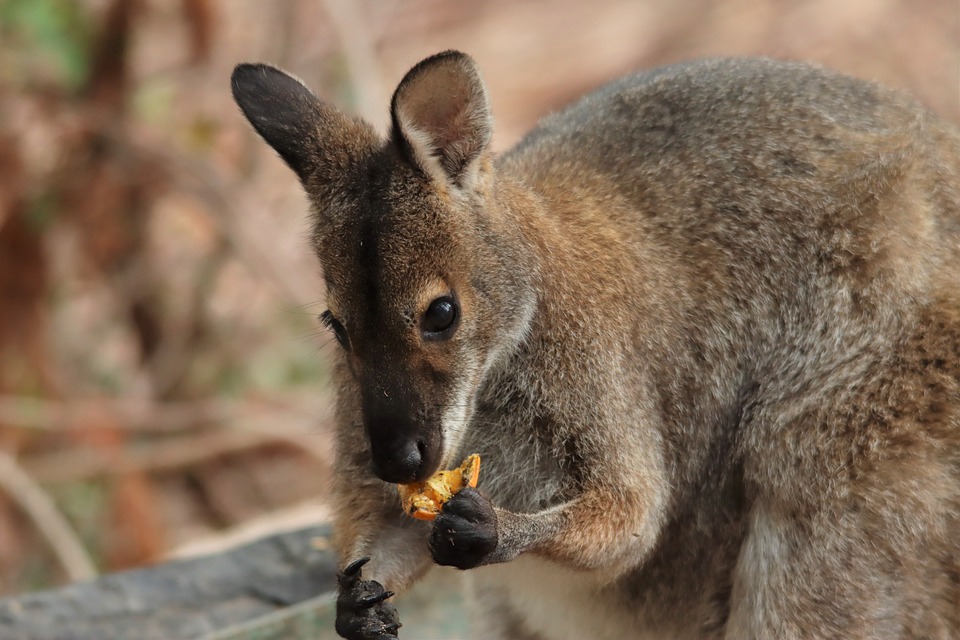
People often confuse the humble wallaby with its cousin, the kangaroo, although they are part of the same macropod family of marsupials, both carrying their offspring (known as joeys) in pouches.
Although they were often referred to as bush-kangaroos in the 1800s, the name wallaby is believed to have originated from “walabi” or “waliba” in the Dharug language, used by Australian Aboriginal peoples around New South Wales.
As one of the most striking references in pop culture, the wallaby is the official symbol and nickname of the Australian national rugby union team, who are also represented by Wally the Wallaby as their official team mascot.
And such is his importance to the players, the youngest member of teams heading overseas for matches is tasked with caring for a stuffed toy replica.
This tradition is based on the ideals of integrity, passion, solidarity, discipline, and respect.
Those principles extend to esoteric and spiritual culture, as wallabies are said to impart indigenous wisdom, especially those formed around order and structure.
Indeed, the wallaby is also known as the “Law-Keeper” in some folklore, given the animal itself demonstrates natural family instincts and hierarchy in groups.
These values still prevail amongst the human Australian populace, highlighting why the wallaby remains such a cherished creature.
This article was produced by The Rio Times’ automated newsroom system. How we use AI · Report an error
Read More from The Rio Times