Bogotá Architecture Heritage Exhibit Opens Free July 29
Heritage & Urban Life
Key Facts
—New Cycle. The IDPC launches “Architectures of Heritage,” a permanent exhibition programme on Bogotá’s built environment.
—Opening Date. The inaugural exhibition opens Wednesday, July 29, at the Palomar del Príncipe in La Candelaria.
—First Feature. The debut show highlights architect Julio Enrique López’s drawings and historical notes on the city.
—Public Access. Entry is free, with visiting hours Monday to Friday from 8:00 a.m. to 5:00 p.m.
—City Initiative. The cycle forms part of “Bogotá, mi Ciudad, mi Casa,” a programme to strengthen local heritage identity.
Bogotá architectural history takes the spotlight as the District Institute of Cultural Heritage launches a free, permanent exhibition cycle in La Candelaria, deepening the city’s cultural offer for residents and visitors alike.
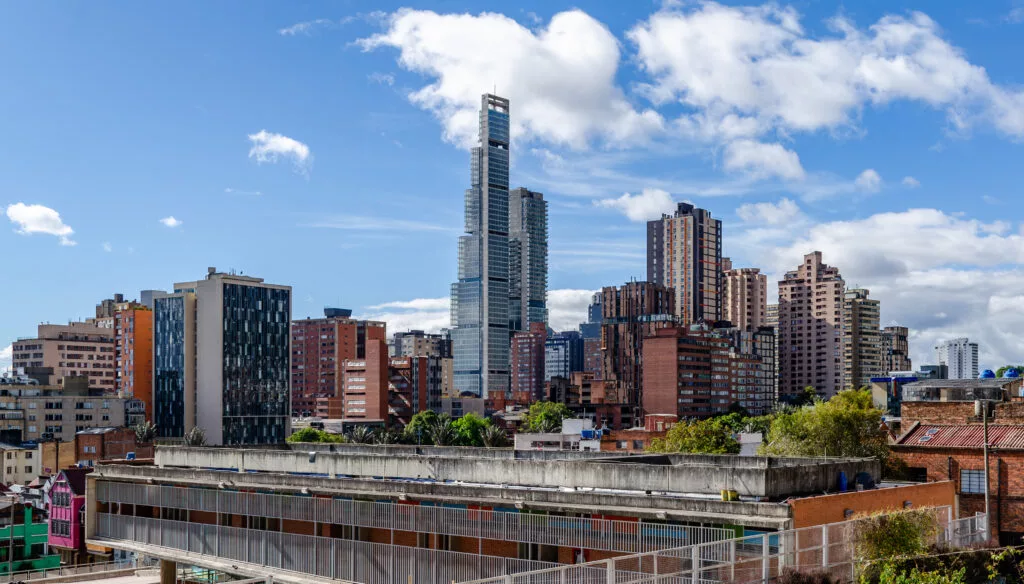
A New Window into Bogotá Architectural History
The District Institute of Cultural Heritage (IDPC) has unveiled “Architectures of Heritage,” a new permanent exhibition cycle. It is designed to document and celebrate the evolution of the capital’s built environment.
The programme launches on Wednesday, July 29, at the Palomar del Príncipe, a historic venue in the heart of La Candelaria. Admission is free, making it an accessible cultural anchor for the city’s most storied neighbourhood.
The IDPC positions the cycle as a multidisciplinary platform. It will highlight the work of architects, researchers, illustrators, and other creators who interpret Bogotá’s urban fabric.
For a foreign reader, the IDPC functions much like a national trust or heritage commission. It is the public body charged with safeguarding Bogotá’s tangible and intangible cultural assets, from colonial buildings to traditional practices.
A “permanent exhibition cycle” means the space will not host a single static display. Instead, it will rotate curated shows over time while keeping the overarching theme of Bogotá’s architecture at its core.
Julio Enrique López: Drawing the City’s Memory
The inaugural exhibition is dedicated to architect Julio Enrique López. His detailed drawings serve as a visual archive of Bogotá’s architectural heritage.
The show pairs López’s illustrations with historical notes he authored. Together, they contextualise the social and architectural evolution of the places he depicted.
Organisers describe his work as a key tool for observing and communicating heritage. It offers visitors a direct, intimate look at how the city’s streetscapes have transformed over decades.
Architectural drawing as a discipline sits between art and technical documentation. In a city like Bogotá, where rapid urbanisation has often erased older structures, such drawings become vital historical records.
La Candelaria as a Cultural Anchor
The choice of the Palomar del Príncipe reinforces La Candelaria’s role as Bogotá’s cultural and historical core. The colonial-era building itself is a piece of the story the exhibition aims to tell.
The venue sits on Calle 12b No. 2-96, within walking distance of the Plaza de Bolívar and the city’s top museums.
Its central location makes the exhibition a natural stop on any heritage walking tour.
For expats and long-stay visitors, the permanent nature of the cycle adds a reliable, repeatable cultural fixture. It strengthens the neighbourhood’s appeal as a liveable, walkable district with deep historical roots.
La Candelaria is Bogotá’s oldest quarter, founded in the 16th century. Its steep, narrow streets are lined with Spanish colonial houses, many painted in bright colours and adorned with wooden balconies.
The neighbourhood already houses the Gold Museum, the Botero Museum, and the Museo Nacional, among others. Adding a permanent architectural exhibition deepens the concentration of cultural infrastructure in a single walkable zone.
The “Bogotá, mi Ciudad, mi Casa” Framework
“Architectures of Heritage” operates under the city initiative “Bogotá, mi Ciudad, mi Casa.” This programme aims to strengthen residents’ connection to their urban environment through cultural and educational projects.
The framework signals a sustained public investment in heritage education. It aligns with broader efforts to position Bogotá as a competitive destination for cultural tourism in Latin America.
For investors tracking urban development, such initiatives often correlate with property value stabilisation in historic districts. They signal municipal commitment to preserving the character that draws boutique hotels, restaurants, and creative enterprises.
The phrase “Bogotá, mi Ciudad, mi Casa” translates to “Bogotá, my City, my Home.” It is a civic branding effort that frames the capital not as a sprawling, impersonal megacity but as a shared domestic space worth caring for.
Practical Details and What to Watch Next
The exhibition is open Monday to Friday from 8:00 a.m. to 5:00 p.m., with no entry fee. The IDPC’s Documentation Center will house the cycle permanently, rotating featured creators over time.
Visitors can expect future instalments to highlight different disciplines and periods of Bogotá architectural history. The IDPC has indicated the programme will continuously incorporate new research and artistic perspectives.
The launch adds a fresh layer to Bogotá’s cultural calendar at a time when the city is working to attract more remote workers and long-term visitors. It is a small but telling piece of a larger strategy to sell the city not just as a business hub, but as a place with a soul worth exploring.
Several open questions remain for those watching Bogotá’s cultural policy. Will the IDPC publish a public schedule of upcoming featured creators, or will each new instalment be announced only shortly before opening?
It is also worth asking whether the Documentation Center will digitise the exhibitions for remote access. A virtual archive could extend the programme’s reach to researchers and Colombians living abroad.
Finally, observers may watch whether this model spreads to other historic districts in Colombian cities. A successful permanent cycle in La Candelaria could inspire similar efforts in Cartagena, Villa de Leyva, or Barichara, each of which faces its own tension between preservation and development.
Frequently Asked Questions
What is the “Architectures of Heritage” exhibition cycle?
It is a new permanent exhibition programme launched by Bogotá’s District Institute of Cultural Heritage (IDPC). The cycle focuses on the city’s architectural and urban history through the work of architects, illustrators, and researchers.
The first exhibition features drawings and historical notes by architect Julio Enrique López.
Where and when can I visit the inaugural exhibition in Bogotá?
The exhibition opens on Wednesday, July 29, at the Palomar del Príncipe, located at Calle 12b No. 2-96 in the La Candelaria neighbourhood.
It is open Monday through Friday from 8:00 a.m. to 5:00 p.m., and admission is completely free.
Is there a cost to enter the IDPC’s heritage exhibition?
No, entry is free for all visitors. The exhibition is part of the public initiative “Bogotá, mi Ciudad, mi Casa,” designed to make the city’s cultural and architectural heritage accessible to everyone.
Connected Coverage
Sources: District Institute of Cultural Heritage (IDPC).
This article was produced by The Rio Times’ automated newsroom system. How we use AI · Report an error
Read More from The Rio Times