Banco Master Liquidator Wins Bahamas Reach in Asset Hunt
Brazil · Economy
Key Facts
—New reach. A Bahamas court has recognised the liquidator winding up Brazil’s failed Banco Master.
—Why it matters. The ruling lets the liquidator chase money and assets parked in the offshore haven.
—Part of a pattern. US and now Bahamian courts have backed Brazil’s wind-down, narrowing places to hide value.
—Tether angle. A unit of the stablecoin firm Tether is separately trying to wind up an alleged offshore parent over a 326 million dollar debt.
—The stakes. Brazil’s deposit-guarantee fund faces claims of up to about 7.6 billion dollars, its largest ever.
—Lesson. The case is testing whether offshore structures really keep assets beyond a creditor’s reach.
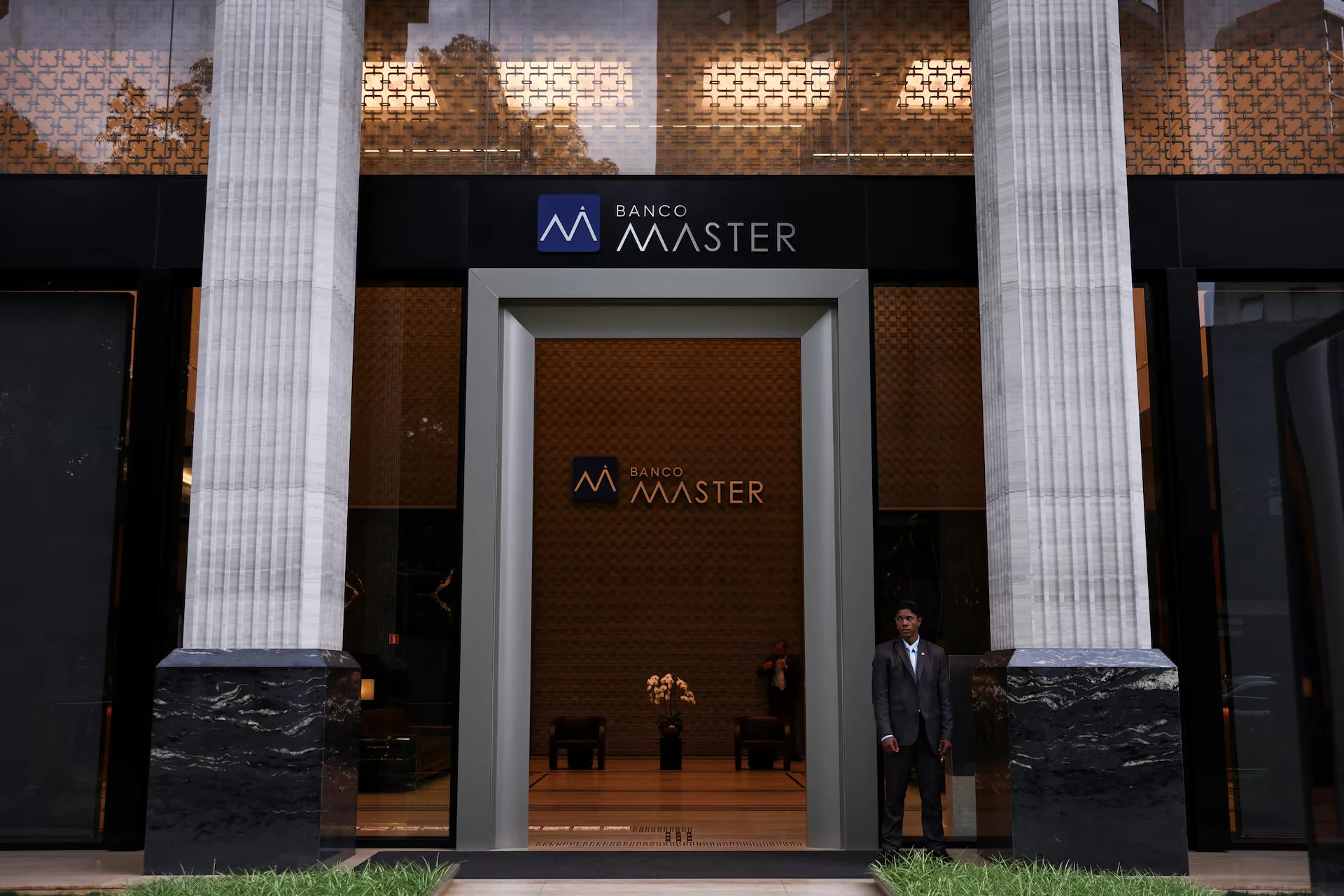
The court-appointed liquidator unwinding Brazil’s collapsed Banco Master has won recognition in the Bahamas, extending a cross-border hunt for the failed lender’s assets into yet another offshore jurisdiction.
A wind-down that keeps crossing borders
When a bank fails, the messy job of selling what is left and paying back creditors falls to a liquidator. For a foreign reader, think of it as an official receiver with legal powers to seize accounts, sell property and demand records. The catch is that those powers normally stop at the national border. If a bank’s owners moved money or assets abroad, the liquidator has to ask courts in each foreign country to recognise the case before they can act there.
That is exactly what has been happening with Brazil’s biggest banking scandal in years. The liquidator handling Banco Master has now secured recognition from a court in the Bahamas, a well-known offshore financial centre. It is the latest in a string of such wins, and each one chips away at the idea that value tucked into far-flung jurisdictions is safely out of reach.
How Banco Master ended up here
Banco Master was a mid-sized Brazilian lender that grew fast by selling high-yield savings products, marketed as safe because they were covered by Brazil’s deposit-insurance scheme. In November 2025 the central bank ordered it shut down, citing a severe cash crisis and rule-breaking, and its politically connected controller was arrested at a São Paulo airport as he tried to leave the country. Investigators have described a suspected multi-billion-dollar fraud, with money allegedly funnelled out of the bank and into a web of holdings stretching from the Cayman Islands to London.
The collapse left a vast bill. Brazil’s deposit-guarantee fund has flagged potential claims of up to roughly 7.6 billion dollars, the largest in its history, affecting around 1.6 million savers. Recovering even part of that means following the money wherever it went, which is why the offshore courtrooms matter so much.
The Tether twist
The Bahamas recognition comes alongside a separate and striking move by an unexpected player. The El Salvador-based investment arm of Tether, the company behind the world’s largest stablecoin, has applied to wind up an entity described as the Cayman Islands parent of Banco Master, claiming a debt of about 326 million dollars. A stablecoin is a crypto token designed to hold a steady value, usually pegged to the US dollar, and Tether is its biggest issuer. Its appearance as a creditor shows how far the bank’s tangled finances reached into the modern crypto economy.
For the liquidator, more claimants circling the same offshore shells is double-edged. It adds pressure and complexity, but it also means more parties with an interest in prising open structures that might otherwise stay sealed.
Why outsiders should care
The case has become a quiet test of something investors everywhere rely on: whether cross-border insolvency rules actually work when serious money and political connections are involved. Earlier this year a US bankruptcy court recognised Brazil’s liquidation as the main proceeding, freezing American assets and shutting down most legal manoeuvres there. The Bahamas step pushes the same logic further. Piece by piece, the supposed safe rooms of the offshore world are being opened to a Brazilian court.
None of this guarantees savers get their money back quickly, if at all. Tracing assets through shell companies is slow, and lawyers for those targeted continue to contest the liquidation in Brazil itself. But the direction of travel is clear, and it carries a message well beyond this one bank.
What happens next
With recognition secured, the liquidator can begin formally identifying and freezing any Master-linked assets held in the Bahamas and pressing for records. Expect the same playbook to be tried in other jurisdictions where the bank’s network had a footprint. The broader fight over the legality of the wind-down rumbles on in Brazil’s own courts, where powerful interests are still pushing back. For now, the lesson for anyone who assumes an offshore address is a fortress is a simple one: increasingly, it is not.
Background: Inside Brazil’s Biggest-Ever Bank Fraud: The Banco Master Scandal.
More: Brazil news in English, every day from The Rio Times.
Frequently Asked Questions
What did the Bahamas court decide?
It recognised the liquidator appointed to wind up Brazil’s Banco Master, giving that official legal standing in the Bahamas. The step allows the liquidator to pursue any assets the failed bank or its owners parked in the jurisdiction.
Why is Tether involved?
An investment arm of the stablecoin issuer Tether is separately seeking to wind up an entity it describes as the bank’s offshore parent, claiming a debt of about 326 million dollars. Its role highlights how far the bank’s finances reached into the crypto sector.
How much money is at stake?
Brazil’s deposit-guarantee fund has flagged potential claims of up to roughly seven and a half billion dollars, the largest in its history, touching around one and a half million savers, so recovering value depends partly on tracing assets moved abroad.
Connected Coverage
How a U.S. Judge Gave Brazil’s Banco Master Liquidation Global Teeth
A Second Titan Holding Surfaces in London as Brazil’s Master Bank Probe Widens
This article was drafted with automated assistance and reviewed before publication. How we use AI · Report an error · Editorial responsibility: Matthias Camenzind, Editor-in-Chief