Banco de Brasília’s Strategic Growth Drives Profit Surge and Major Acquisition
Banco de Brasília (BRB) reported a recurring net profit of R$282 million ($48 million) in 2024, a 40.9% increase from the previous year.
The bank attributed its strong performance to strategic modernization efforts, digital transformation, and an expanding national presence. This growth has positioned BRB as a key player in Brazil’s banking sector, culminating in its acquisition of Banco Master in March 2025.
BRB’s financial margin rose by 15.1% to R$3.108 billion ($527 million), while its credit portfolio grew by 20.2%, reaching R$43.061 billion ($7.3 billion). Loans to individuals increased by 19% to R$21.390 billion ($3.6 billion), driven largely by payroll-deductible loans totaling R$17.376 billion ($2.9 billion).
Corporate loans expanded by 14.8% to R$5.646 billion ($957 million), with significant contributions from credit card operations at R$21.112 billion ($3.6 billion) and real estate financing at R$12.014 billion ($2 billion). Rural credit also grew to R$1.898 billion ($322 million).
The bank’s non-performing loan ratio improved significantly, dropping to 1.32% in December from 2.25% a year earlier, reflecting effective risk management and credit recovery strategies.
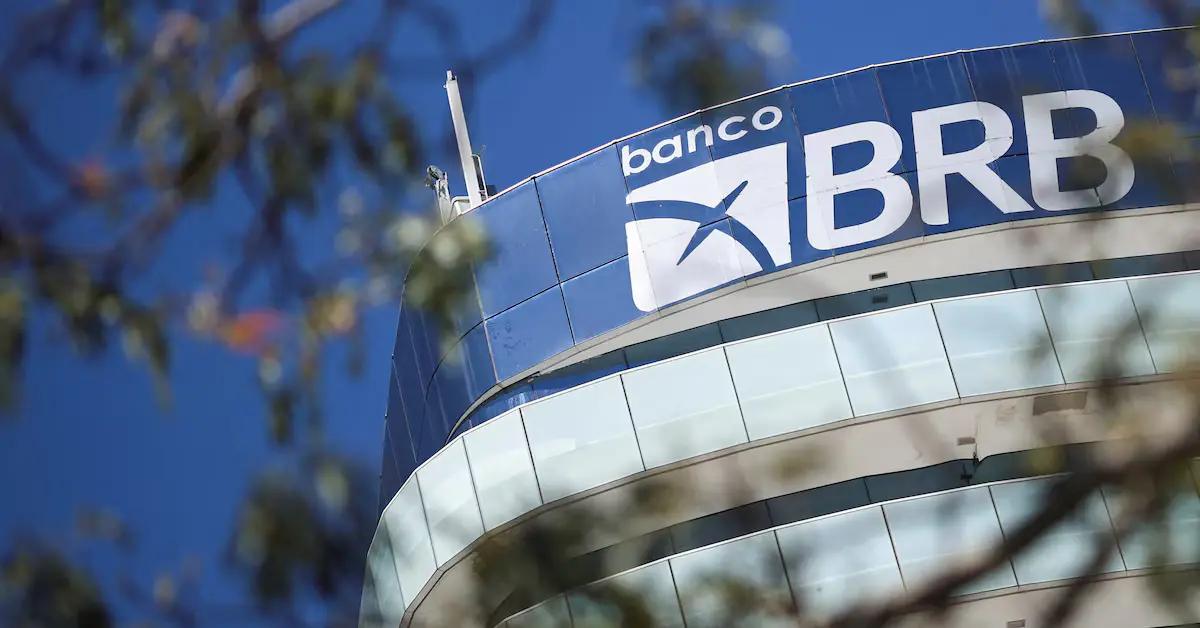
BRB’s digital transformation played a pivotal role in its success, with 96% of transactions conducted through digital channels, underscoring the impact of its partnership with Flamengo football club through the Nação BRB Fla digital bank, which reached 3.7 million accounts by year-end.
BRB Expands Its Reach with the Acquisition of Banco Master
The acquisition of Banco Master marked a major milestone for BRB’s expansion strategy, giving it a controlling 58% stake for R$2 billion ($339 million).
The deal excludes Banco Master’s high-risk assets, such as judicial claims and court-ordered debt payments, aligning with BRB’s focus on stable revenue streams like payroll credit cards and corporate banking.
Banco Master’s funding costs had reached unsustainable levels at 120% of Brazil’s CDI rate, compared to BRB’s more manageable 89%. The acquisition nearly doubles BRB’s size and introduces it to investment banking through the rebranding of Banco Master as BRB Banco de Investimento.
Despite the growth, BRB faces challenges related to capital adequacy and regulatory scrutiny stemming from the acquisition. Its Basel Index stood at 12.94% at the end of 2024, with core capital at 8.56%, slightly above the regulatory minimum of 8%.
Moody’s and S&P placed BRB’s ratings under review due to integration risks and funding pressures tied to the transaction. Founded in 1964 as a regional lender focused on public servant loans, BRB has transformed into one of Brazil’s largest state-owned banks since its partnership with Flamengo in 2020.
With total assets reaching R$61 billion ($10.3 billion) and a customer base exceeding eight million by the end of 2024, BRB continues to navigate rapid growth while reshaping Brazil’s financial landscape through strategic innovation and expansion efforts.
More: Brazil news in English, every day from The Rio Times.
This article was produced by The Rio Times’ automated newsroom system. How we use AI · Report an error
LatAm Markets: Live Signals → — real-time movers, turnover leaders and FX across Latin America.
Read More from The Rio Times