In a bold move to challenge China’s dominance in the rare earth market, Australia has doubled down on its investment in Iluka Resources’ Eneabba refinery project.
The government recently pledged an additional AU$400 million ($256 million), bringing its total commitment to AU$1.65 billion ($1 billion).
This decision comes as the project’s estimated costs have ballooned from AU$1.2 billion ($770 million) to nearly AU$1.8 billion ($1.1 billion).
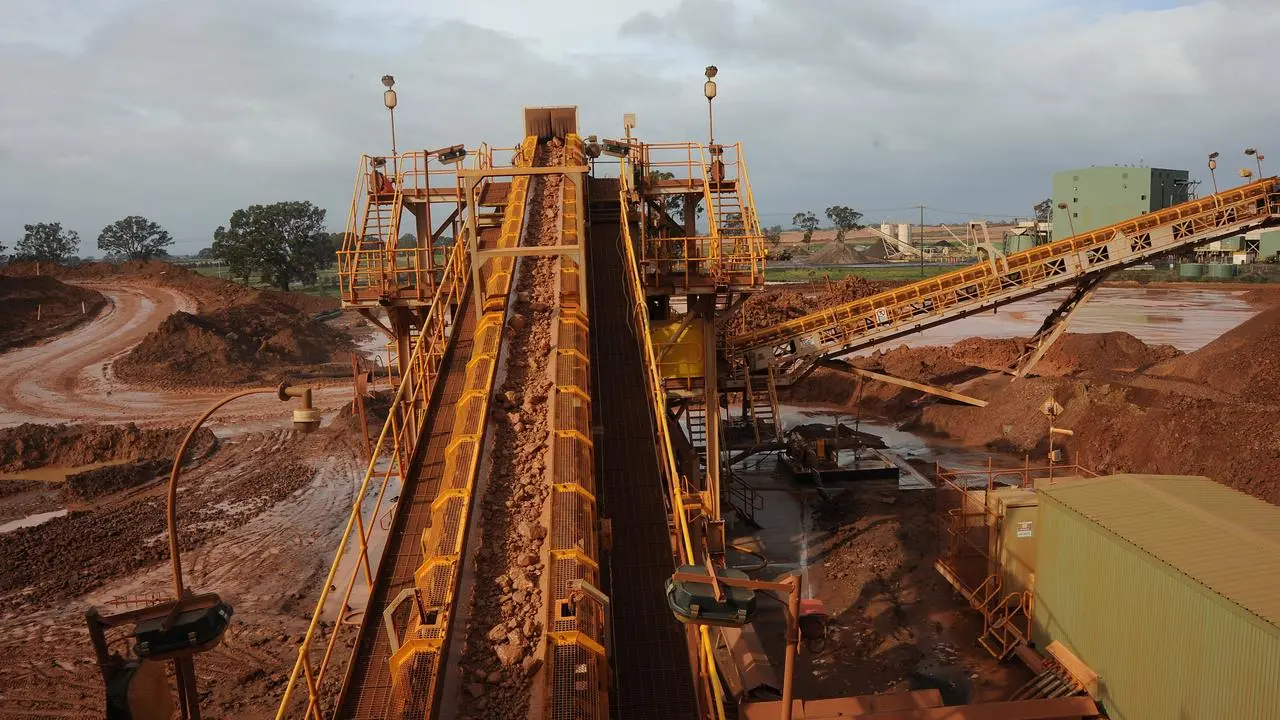
Iluka Resources, an Australian mineral sand miner, plans to begin construction of the refinery in 2025. The facility aims to process the company’s substantial stockpile of rare earth-rich tailings.
Once operational in 2027, it will produce both light and heavy rare earth oxides. These elements are crucial for manufacturing advanced technologies, including electric vehicles and defense systems.
In addition, the global rare earth market has long been under China’s control. Beijing currently accounts for 70% of global mining and 85% of processing capacities.
This monopoly has raised concerns among Western nations about supply chain vulnerabilities. Australia’s investment in the Eneabba project represents a strategic effort to diversify global supply chains and reduce dependence on Chinese exports.
However, the path to profitability for non-Chinese rare earth producers remains challenging. Current market prices are well below the levels needed for commercial viability.
Balancing Ambition and Market Realities
This reality has led to skepticism among investors. Iluka‘s share price dropped 12% following the funding announcement, reflecting market doubts about the project’s economic feasibility.
Iluka’s CEO, Tom O’Leary, acknowledges these concerns but remains optimistic about the project’s long-term value. The company is working to establish an independent pricing mechanism based on longer-term contracts.
However, this approach aims to move away from the volatile spot prices influenced by Chinese market dynamics. Australia’s rare earth ambitions extend beyond the Eneabba project.
The government has allocated an additional AU$21 million ($13 million) in grants for five other critical minerals and rare earth initiatives. These projects are expected to create nearly 400 new jobs across the mining, research, and processing sectors.
The country’s potential in the rare earth sector is significant. Australia holds at least 4% of the world’s rare earth element reserves. The Mount Weld deposit alone contributes approximately 5% of global supply.
If successful, the Eneabba refinery could position Australia as a key player in the international rare earth market. Iluka projects that processing feedstock from its various deposits could give the Eneabba refinery a 35-year lifespan.
The company estimates a net present value of AU$1.7 billion ($1.09 billion) for this scenario. Including feed from other Australian producers could potentially boost this figure to AU$3.3 billion ($2.12 billion).
This article was produced by The Rio Times’ automated newsroom system. How we use AI · Report an error
Read More from The Rio Times