Australia Cuts Interest Rates as Global Trade Tensions Threaten Economic Growth
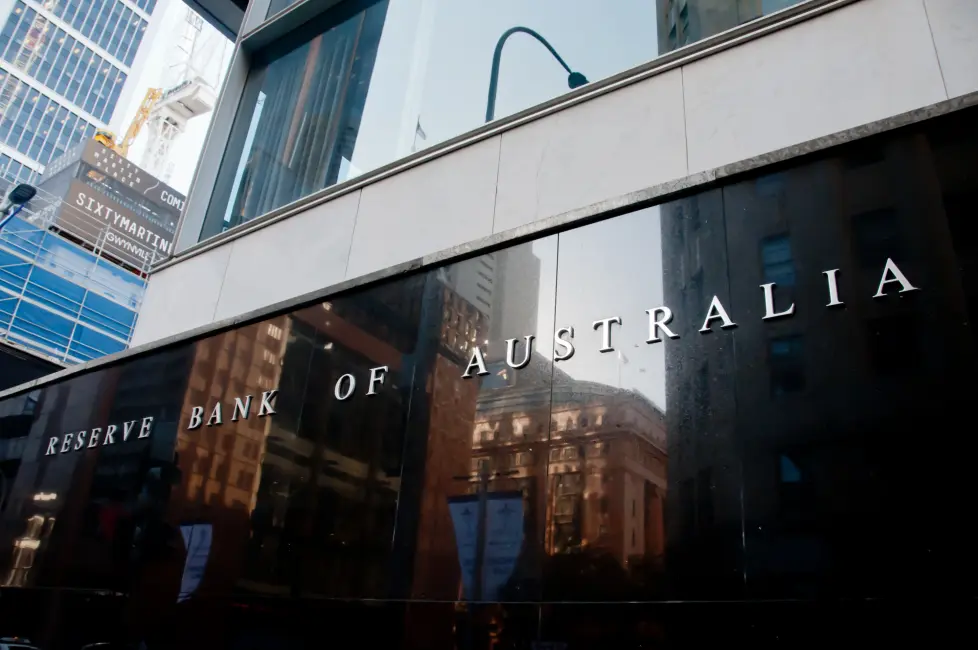
The Reserve Bank of Australia cut its cash rate by 25 basis points to 3.85% on Tuesday, marking the second reduction this year amid growing concerns about global trade tensions.
The central bank cited cooling domestic inflation and mounting international risks as key factors behind the decision. Australia’s economy faces significant headwinds from U.S. tariff policies.
Economists estimate that these measures could reduce Australia’s GDP by 0.4 to 0.7 percent. The baseline 10% tariff on Australian imports remains in place despite diplomatic efforts by Prime Minister Anthony Albanese to secure exemptions.
RBA Governor Michele Bullock emphasized the unpredictable nature of the current economic environment. The central bank has modeled multiple scenarios, including a severe “trade war” outcome that could slash GDP by 3% below baseline forecasts and push unemployment to 6%.
Inflation has successfully returned to the RBA‘s target range of 2-3%, with headline consumer price inflation steady at 2.4%. This represents a dramatic improvement from the 7.8% peak recorded in late 2022, giving the central bank room to ease monetary policy.
The Australian dollar dropped 0.5% following the announcement, while three-year bond futures gained 5 ticks to reach 96.40. Market swaps indicate expectations for a total reduction of 57 basis points by year-end, suggesting at least one more cut in 2025.
Easing Policy Amid Resilient Labor Market and China Tailwinds
Australia’s unemployment rate currently stands at 4.1%, having inched up from 4% in February. The labor market remains relatively strong compared to historical standards, though the RBA forecasts a gradual rise to around 4.5% by year-end.
Major banks including Westpac, ANZ, NAB, and Commonwealth Bank have announced they will pass the full rate cut to customers. This offers welcome relief to mortgage holders and businesses struggling with persistent cost-of-living pressures.
China remains a crucial economic partner for Australia, with 57.3% of Australian businesses optimistic about market opportunities there. China’s projected 5% GDP growth in 2025 will add approximately $1 trillion to its economy, creating potential opportunities for Australian exporters.
The RBA’s statement noted that while this adjustment will make monetary policy less stringent, the board remains cautious about future prospects. The central bank stands ready to respond decisively if international developments materially impact domestic activity and inflation.
This article was produced by The Rio Times’ automated newsroom system. How we use AI · Report an error · Editorial responsibility: Matthias Camenzind, Editor-in-Chief