Brazil Has Two Days Before the EU Import Ban Takes Effect
Brazil · TRADE
Key Facts
- —Deadline The EU import ban takes effect on Thursday 3 September 2026.
- —Products The measure covers bovine, equine, poultry, eggs, aquaculture products, honey and casings.
- —Reason Brazil was removed because it has not given sufficient guarantees on antimicrobial use in livestock.
- —Trade value The EU bought about 368,000 tonnes of Brazilian meat in 2025, worth roughly US$1.8 billion.
- —Next step An EU audit in Brazil could restore poultry and honey if the result is positive
A regulatory delisting, not a contamination alert, and an audit is under way that could still save part of it.
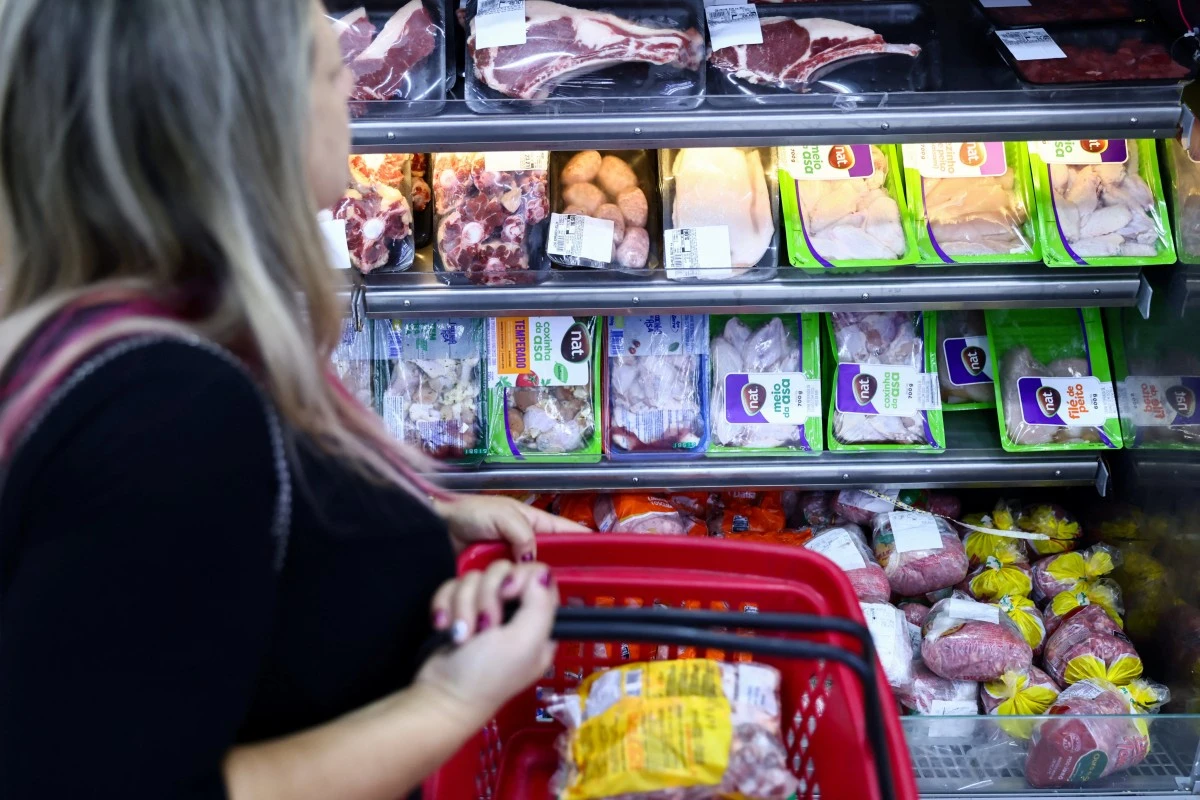
Brazil has two days before the EU import ban takes effect, halting exports of animal products to the European Union. The measure, which starts on Thursday 3 September 2026, covers seven categories of goods, not just beef.
What the EU Import Ban Covers
The EU import ban applies to bovine, equine, poultry, eggs, aquaculture products, honey and casings. Commission spokesperson Eva Hrncirova set out that list.
Casings are the intestines used to make sausage skins, traded internationally as a separate commodity. In short, almost every animal product Brazil sends to Europe is affected.
Why the EU Took This Step
This is a delisting, not a food-safety alert. The Commission removed Brazil from the list of third countries authorised to export animal products.
Brussels says Brazil has not given sufficient guarantees on the use of antimicrobials in livestock. Antimicrobial growth promoters are antibiotics given to healthy farm animals to make them grow faster.
The EU banned the practice because it helps breed drug-resistant bacteria.
The Rules Behind the Decision
EU rules have applied across the bloc since 2022. Antimicrobials may not be used to promote growth or increase yield in livestock.
Antimicrobials reserved for human infections may not be used to treat animals either. From 3 September, imports must meet the same standard.
Therefore, Brazilian products will need to comply with these rules to return to the market.
How the Decision Was Made
Member state officials agreed the updated country list on Tuesday 12 May 2026. They sit on the Standing Committee on Plants, Animals, Food and Feed.
An official with knowledge of the file said the vote was unanimous. Brazil is the first country removed from that list.
Meanwhile, the updated list added 21 new countries and kept five previously listed ones.
Timeline of the EU Import Ban
The Commission formalised the decision in a regulation signed on Thursday 4 June 2026. It appeared in the EU Official Journal the following day.
The ban takes effect on 3 September 2026. Before that, the EU and Mercosur trade agreement entered into force provisionally on 1 May 2026.
The committee vote to delist Brazil came just 11 days later.
Impact on Trade and Rivals
The European Union bought about 368,000 tonnes of Brazilian meat in 2025, worth roughly US$1.8 billion. That trade will now stop unless Brazil regains authorisation.
Uruguay is positioned to gain ground. Its beef exports to the EU reached a 10-year high of 52,000 tonnes in 2025.
Brazil’s Response and Next Steps
Brazilian officials said exports were still proceeding normally up to 3 September 2026. Brazil would seek to overturn the measure and regain authorisation.
President Lula wrote to European Commission President Ursula von der Leyen on 31 July 2026. He asked that Brazil be restored provisionally for chicken and honey until the audits are complete.
The European Commission has said discussions with Brazil are ongoing ahead of the deadline. In addition, Brazil has submitted information on several products, including beef, poultry meat, eggs, honey and aquaculture products.
What It Takes to Return to the List
To return to the list, Brazil must comply with EU requirements on antimicrobial use. That applies for the entire lifetime of the animals the exported products come from.
An EU audit of compliance is being carried out in Brazil. If the result is positive, Brazil may again be authorised to export poultry meat and honey.
However, no outcome has been announced yet.
The Broader Context of the EU Import Ban
The EU import ban is a regulatory measure, not a contamination finding. It reflects the EU’s strict stance on antimicrobial resistance.
For Brazil, the timing is awkward, coming just months after the Mercosur trade deal took effect. Still, the two sides are talking, and the door is not closed.
Frequently Asked Questions
What products does the EU import ban cover?
The ban covers bovine, equine, poultry, eggs, aquaculture products, honey and casings. Casings are the intestines used to make sausage skins.
Why did the EU impose the ban on Brazil?
The EU removed Brazil from the list of authorised exporters because Brazil has not given sufficient guarantees on antimicrobial use in livestock. This is a regulatory delisting, not a food-safety alert.
Can Brazil regain access to the EU market?
Yes, if an EU audit shows compliance with antimicrobial rules, Brazil may again be authorised for poultry and honey. Brazil must meet EU requirements for the entire lifetime of the animals.
How much trade is affected by the ban?
The EU bought about 368,000 tonnes of Brazilian meat in 2025, worth roughly US$1.8 billion. This trade will stop unless Brazil regains authorisation.
Connected Coverage
Sources: European Commission; Euronews; RTÉ; Agência Brasil; Reuters.
This article was produced by The Rio Times’ automated newsroom system. How we use AI · Report an error
Read More from The Rio Times