Brazil-US Visa Crisis Escalates After Ambassador Ban
Diplomacy: Brasília
Key Facts
—The response. On 5 August 2026, President Luiz Inácio Lula da Silva called the US revocation of Brazil’s ambassador’s visa “irresponsible” and “unthinking.”
—The trigger. Washington cancelled the visa of Ambassador Maria Luiza Ribeiro Viotti amid a dispute over Brazil’s delay in approving the US envoy to Brasília and its refusal of visas to US officials.
—Reciprocity. Brasília announced reciprocal measures and rejected the US justification, framing the move as interference in Brazil’s October election.
—Credentials on hold. Lula signalled that the credentials of Washington’s nominated ambassador would wait until after the vote.
—Market impact. The real weakened on the day of the revocation, with September dollar futures rising about 0.6% on the B3 exchange.
President Lula called the US revocation of his ambassador’s visa “irresponsible and unthinking” on 5 August, escalating the Brazil-US visa crisis as the real slipped and Brasília weighed its response.
Lula Condemns an ‘Irresponsible’ Decision
President Lula on 5 August described the US decision to revoke the visa of Brazil’s ambassador in Washington as “an irresponsible, unthinking attitude” for a country that shares “203 years of diplomatic relations,” calling it “unnecessary.” His remarks, reported by Agência Brasil and CNN Brasil, were his first extended public response to the measure.
The Rio Times has previously reported the revocation itself; the focus now is on Brasília’s reaction. Lula said the step disrespected a long bilateral relationship and warranted a firm reply, while insisting Brazil would not be intimidated in an election year.
The president also addressed US Secretary of State Marco Rubio directly, saying, according to Brazilian media, that if the secretary wished to campaign in Brazil for his opponents, “I want to defeat all of them together.” He rejected the idea that US pressure would sway the vote.
What Triggered the Visa Crisis
The US State Department revoked the visa of Ambassador Maria Luiza Ribeiro Viotti, a career diplomat, on 4 August. Washington linked the step to Brazil’s delay in granting agrément — formal diplomatic approval — to Daniel Perez, President Trump’s nominee for US ambassador in Brasília, and to Brazil’s refusal of visas to US representatives.
Brazil’s foreign ministry said Washington breached the Vienna Convention on Diplomatic Relations by publicising its nominee before approval, according to ConJur. Viotti’s visa is to be restored only if Brasília clears Perez, Brazilian outlets reported.
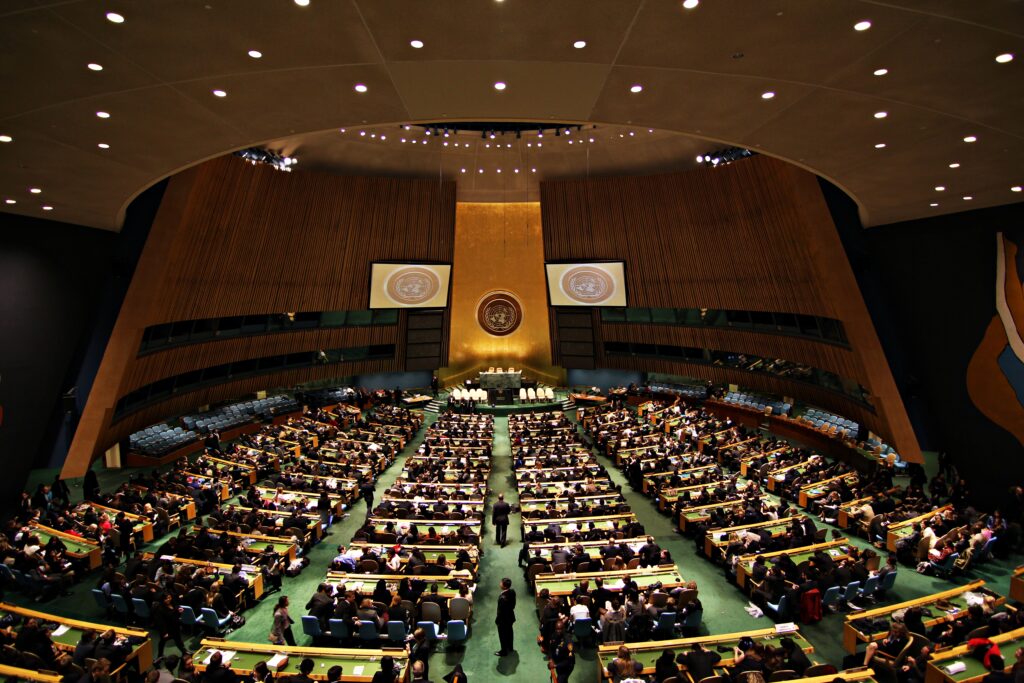
The episode is the sharpest point yet in a deteriorating relationship between the two governments, coming roughly a month before the annual United Nations General Assembly in September.
Brazil Weighs Reciprocity
Brasília responded with reciprocal measures, Revista Fórum and Reuters reported, after formally repudiating the revocation. The government characterised the US justification as inaccurate and accused the Trump administration of seeking to influence Brazil’s presidential race.
Lula signalled that the presentation of credentials by the incoming US ambassador would only take place after October’s election, effectively slowing the diplomatic calendar. The stance keeps the nomination in limbo while the campaign plays out.
Brazilian officials stressed that reciprocity is a standard diplomatic tool and framed their response as measured rather than escalatory, even as both sides traded accusations.
The Currency Reaction
Financial markets registered the tension. On 4 August, the day of the revocation, the September dollar-futures contract rose about 0.6% on the B3 exchange as the real weakened into the announcement, according to Reuters.
The move partly reversed the following day, when the spot real firmed modestly against the dollar, with traders also weighing domestic monetary policy. Analysts cautioned against reading too much into a single session amid several competing drivers.
Still, the diplomatic dispute added a layer of political risk for investors already tracking the election, illustrating how bilateral friction can feed through to Brazilian asset prices.
Why It Matters for the Region
A rupture between Brazil and the United States carries weight across Latin America, where Brasília is a leading diplomatic actor. The dispute tests how far each side will go during a sensitive electoral period in Brazil.
For expatriates and businesses, the friction raises questions about visa processing, trade and the tone of engagement between the hemisphere’s two largest economies. Neither government has signalled a break in commercial ties.
How the standoff is resolved — and whether it features at the United Nations gathering in September — will shape the diplomatic backdrop to the final weeks of Brazil’s campaign.
Background: Brazil Tax Reform Timeline: Tech Sector Faces 2026 Invoice Shock.
Background: Lula vs. Bolsonaro Set as Brazil 2026 Conventions Close.
Background: Fintechs and Digital Banks in Brazil 2026: Market Guide.
Frequently Asked Questions
How did Lula respond to the US visa revocation?
President Lula called the revocation of Brazil’s ambassador’s visa “irresponsible” and “unthinking,” invoked 203 years of bilateral ties, and said the incoming US ambassador’s credentials would wait until after Brazil’s October election.
Why did the United States revoke the Brazilian ambassador’s visa?
Washington linked the move to Brazil’s delay in approving Daniel Perez, the US nominee for ambassador in Brasília, and to Brazil’s refusal of visas to US representatives. Brasília rejected the justification.
How did the Brazil-US visa crisis affect the real?
On the day of the revocation, September dollar futures rose about 0.6% on the B3 exchange as the real weakened, though the currency recovered part of the move the next day.
Sources
Agência Brasil · CNN Brasil · Reuters/Investing · Revista Fórum · ConJur
Connected Coverage
More coverage of Brazilian diplomacy, politics and markets from The Rio Times.
Sources: Agência Brasil, CNN Brasil, Reuters/Investing, Terra, Revista Fórum, ConJur.
This article was produced by The Rio Times’ automated newsroom system. How we use AI · Report an error
In depth
Read More from The Rio Times