Asia Intelligence Brief — Thursday, July 16, 2026
Executive Summary
Asia Intelligence Brief July 16 — South Korea holds a snap election, an ASEAN envoy talks to both sides in Myanmar, and China tests a submarine missile.
Rio Times · Asia Intelligence Brief July 16
—South Korea votes Millions voted on Wednesday in a snap presidential election triggered by the impeachment of former President Yoon Suk Yeol after a martial law attempt.
—ASEAN envoy talks A special ASEAN envoy held separate talks with the Myanmar junta and rebel groups, with all sides acknowledging there is no military solution.
—PNG security pact Australia and Papua New Guinea are finalising a defence and policing pact, a direct response to China’s growing assertiveness in the region.
—China missile alert Japan, New Zealand and Australia condemned a Chinese submarine-launched ballistic missile test in the Pacific as an escalatory signal.
—Bangkok fire toll The death toll from a nightclub fire in the Thai capital has risen to 32, with police investigating possible safety negligence.
—Kashmir clashes Nine people were killed in Pakistan-administered Kashmir during clashes between security forces and supporters of a banned protest group.
Asia Intelligence Brief July 16 — Asia today feels caught between democratic hope and authoritarian consolidation, as a snap election in South Korea offers a chance for renewal after a traumatic martial law attempt. But Myanmar’s sham peace talks and China’s missile test deepen a sense of military overreach and great-power coercion.
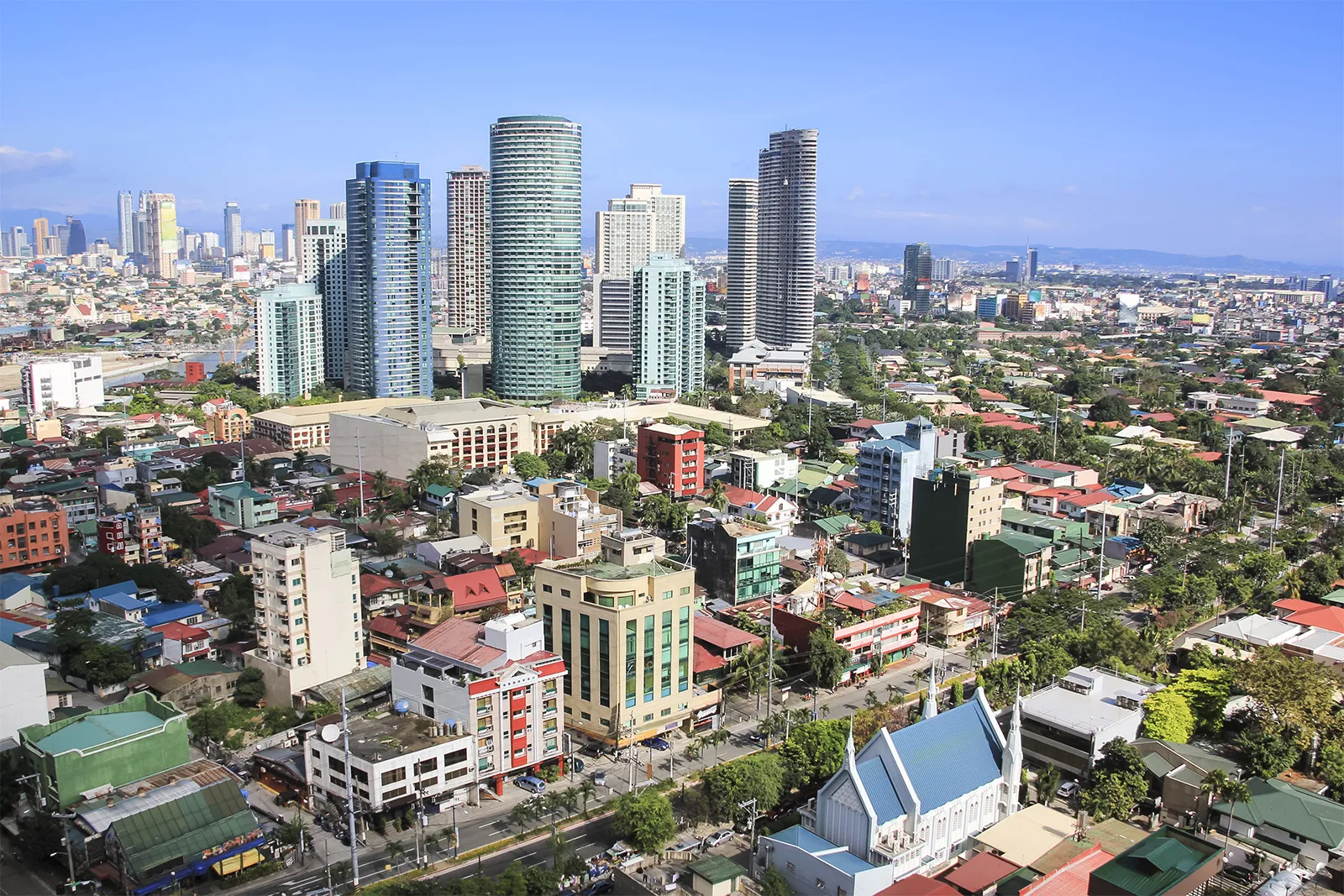
The region’s pulse quickens with youth-led protests, economic justice campaigns, and a tragic nightclub fire in Bangkok that has left a nation in shock and grief.
South Korea – An Anxious Nation Casts Its Ballots
Millions Vote to End Six Months of Turmoil
Millions of South Koreans went to the polls on Wednesday in a snap presidential election laden with deep public anxiety. The vote was triggered by the impeachment and ousting of former President Yoon Suk Yeol, who shocked the nation with a failed martial law declaration in December 2024.
A sharp gender divide marked the campaign, revealing fresh social fractures in the normally stable democracy. Voter turnout was reportedly high as a weary public sought to close a painful chapter and restore democratic confidence.
A Wounded Democracy Seeks Healing
The atmosphere felt both resolute and fragile, as many voters saw the ballot as a defence against authoritarian resurgence. The trauma of seeing troops on Seoul’s streets remains raw, driving a determination to reinforce civilian control.
The outcome will set the direction for the country’s alliances and its internal healing process. For now, a cautious hope mixes with the memory of just how quickly democratic norms can come under attack.
Myanmar – Cynicism as Envoy Acknowledges a Grim Truth
Separate Talks in a Divided Land
An ASEAN special envoy held separate meetings this week with junta representatives and rebel groups, a rare moment of active regional mediation. Thailand’s Foreign Minister stated plainly that all sides now recognise there is no military solution to the grinding civil war.
Yet the talks brought little comfort to a traumatised population. The junta continues its widely dismissed election process, which critics call a sham designed to entrench its rule under a civilian façade.
Exhausted Cynicism Grips Civilians
For ordinary people living under junta control or in conflict zones, the diplomatic moves feel hollow. Intensified fighting and humanitarian suffering persist, with no sign of a genuine political breakthrough.
The dominant mood is one of exhausted cynicism. There is a collective belief that any solution remains far off, while families endure the daily brutality of a forgotten war.
The region’s pulse quickens with youth-led protests from the Philippines to Kashmir, while economic justice campaigns highlight simmering inequality.
Pacific – A New Pact to Face a Bigger Shadow
Australia and PNG Brace for Assertive Neighbours
Leaders from Australia and Papua New Guinea announced on Thursday they are finalising a new security pact centred on defence and policing. The deal is openly framed as a counterweight to China’s expanding naval reach and diplomatic pressure in the Pacific.
This reflects a wider mood of determined vigilance among island nations. There is a growing sense that traditional alliances must be deepened quickly to avoid being overwhelmed by a much larger power.
Small States Seek Strength in Unity
For Pacific communities, the pact is as much about sovereignty as it is about security. It signals a refusal to become a passive arena for great-power competition.
The emotional current is one of guarded hope mixed with deep worry. Leaders believe collective action offers the best shield, but the speed of geopolitical change makes every commitment feel urgent.
China – Defiant Power Projection Raises Regional Alarms
A Missile Test That Echoed Across the Ocean
China test-fired a ballistic missile from a nuclear submarine in the Pacific Ocean on Wednesday, drawing swift condemnation from Japan, New Zealand and Australia. They labelled the launch destabilising and an escalation of nuclear signalling in an already tense neighbourhood.
The test was a stark demonstration of Beijing’s determination to project naval power far from its shores. It sent a chill through capitals that have been watching military modernisation with increasing alarm.
Defiance Invites Backlash and Isolation Fears
The region’s response reflects a growing weariness with muscle-flexing that ignores diplomatic warnings. There is a palpable fear that such tests make miscalculation more likely, even if intended only for show.
For China’s neighbours, the feeling is one of being pushed into a corner. The defiant assertiveness deepens the resolve to seek new security partnerships, even as it stokes anxiety about future confrontations.
Thailand – Shock and Grief After a Night of Fire
Death Toll Climbs in Chilling Pub Blaze
The death toll from a devastating fire at a live music pub in Bangkok rose to 32 on Wednesday, after two more victims died in hospital. Police are now investigating possible negligence as the primary cause of the explosive blaze.
The disaster has shocked the Thai public and pierced the nation’s vibrant nightlife image. Gruesome scenes from inside the venue have circulated widely, deepening a collective sense of horror and sadness.
Anger Simmers Over Safety Failures
Grief is rapidly turning into anger as questions mount about lax enforcement of safety rules. Many are asking how such a popular venue could have been allowed to operate with apparent life-threatening flaws.
The mood is one of raw, communal mourning laced with fury. Families of the victims are demanding accountability, and the tragedy has become a symbol of wider official neglect that ordinary people feel powerless to change.
Pakistan – Bloodshed and Fury in Kashmir
Nine Dead as Election Fears Boil Over
Nine people were killed on Tuesday in clashes between security forces and supporters of a banned group in Pakistan-administered Kashmir. The violence erupted on the eve of a protest march against electoral arrangements that many see as rigged in advance.
With regional elections scheduled for later this month, the bloodshed has intensified a climate of fear. Communities are bracing for further unrest, deeply distrustful of both authorities and the political process.
Resentful Fury and a Sense of Betrayal
The mood on the ground is one of resentful fury, driven by a feeling that peaceful dissent is being crushed with lethal force. For many, the killings confirm that their grievances will simply be met with more bullets.
A pervasive sense of betrayal hangs over the region. People believe their future is being decided in backroom deals while they pay with their lives on the streets.
India – Two Faces of a Rising Power
Modi’s Strategic Tour Aims to Anchor Allies
Prime Minister Narendra Modi departed on Thursday for a multi-nation tour covering Indonesia, Australia and New Zealand. The trip is designed to strengthen strategic and economic bonds, visibly positioning India as a reliable security partner for Indo-Pacific middle powers.
The diplomatic offensive carries a confident, outward-looking mood. There is a clear sense that New Delhi intends to fill a perceived gap left by wavering United States commitment and to counter Chinese influence.
Domestic Unease Over Deportation Centres
Back home, a more anxious atmosphere is building after the government ordered new deportation centres in West Bengal. The move targets undocumented migrants, but rights groups warn it could lead to arbitrary expulsions and deepen social fissures.
For local communities, the directive has sparked genuine fear. The contrast between global ambition and domestic unease reveals the emotional fault line running through the country’s current political moment.
Philippines – A President Joins the Protest Chorus
Marcos Backs Anti-Graft Demonstrations
In an unusual political moment, President Ferdinand Marcos Jr publicly backed protests over alleged corruption in flood-control projects. Youth and civil society groups are now organising a week of demonstrations, emboldened by the palace’s support.
The alignment between the leader and the street activists has injected a feeling of cautious defiance. Many see it as a rare opening to demand accountability in a system long resistant to change.
A Long Shadow and a Tense Calendar Ahead
Despite the presidential backing, systemic corruption remains deeply entrenched. Larger protest actions are being planned for September 21, the anniversary of martial law declaration, which could become a major flashpoint.
The mood is watchful and charged with historical memory. The looming International Criminal Court trial of former President Rodrigo Duterte adds another layer of anticipation and unresolved national trauma.
The Bigger Picture
Asia today is a stage of clashing emotions, where a young South Korean casting a vote in Seoul and a grieving Thai mother in Bangkok feel entirely different yet connected stresses. The snap election offers democratic hope, but the region’s wider anxieties about military coercion and social justice are inescapable.
China’s submarine test and Myanmar’s hollow diplomacy deepen collective unease, making small nations clutch each other tighter. Meanwhile, fires, street killings and deportation orders churn public fury, reminding everyone that daily safety remains fragile.
Through this noisy week, the common thread is a stubborn public will to be heard. Whether at a ballot box, a protest march or a diplomat’s table, Asian citizens are pushing back against violence and neglect with an urgency that defines the region’s mood right now.
Asia Intelligence Brief July 16: What We Are Watching
- Today – South Korean election results begin to trickle in, shaping the political narrative.
- Today – India’s Modi starts talks in Jakarta, signalling the start of a closely watched diplomatic tour.
- This week – Thailand mourns as investigators probe the Bangkok nightclub fire for criminal negligence.
- This week – Myanmar’s exiled shadow government and ethnic armed groups react to the ASEAN envoy’s engagement.
- This week – Pakistan authorities brace for more unrest ahead of administered Kashmir’s regional elections.
- This week – Philippine protest organisers finalise plans for the September 21 martial law anniversary rally.
- This week – Pacific island nations assess the final terms of the Australia-Papua New Guinea security pact.
- This week – Regional civil society groups build momentum for the Economic Justice Mobilisation campaign.
Go Deeper
The full Asia Intelligence Dossier — the interactive risk dashboard, the six people who matter and the downloadable PDF — is updated daily by the Rio Times Intelligence Desk.
The Asia Intelligence Brief July 16 returns tomorrow morning.
Frequently Asked Questions
What triggered the snap presidential election in South Korea?
The election was triggered by the impeachment and ousting of former President Yoon Suk Yeol after his failed martial law declaration in December 2024.
What did the ASEAN envoy and all sides in the Myanmar conflict acknowledge?
All sides acknowledged there is no military solution to the civil war, according to Thailand's Foreign Minister.
What was the death toll from the Bangkok nightclub fire mentioned in the article?
The death toll from the nightclub fire in the Thai capital rose to 32.
LatAm Markets: Live Signals → — real-time movers, turnover leaders and FX across Latin America.