South Africa Flags Vitol Extension Over Fuel Procurement Concerns
Key Facts
- —What happened South Africa’s competition and infrastructure regulators are scrutinising Vitol’s expanding fuel-chain position over procurement, market-power and supply-security concerns.
- —The trigger The Competition Tribunal approved Vitol’s takeover of Engen in April 2024, but imposed conditions on local procurement, refinery supply and jobs.
- —The port angle In September 2025, Transport Minister Barbara Creecy used the National Ports Authority Act to extend long-term leases for oil majors including BP and Vitol at Durban’s Island View Precinct.
- —The lease terms Reuters reported the extensions were 25-year leases, bypassing standard tendering on the stated grounds of national interest.
- —Why it matters Control of fuel imports and storage links South Africa’s energy security to multinational commodity traders and global supply flows rather than purely domestic assets.
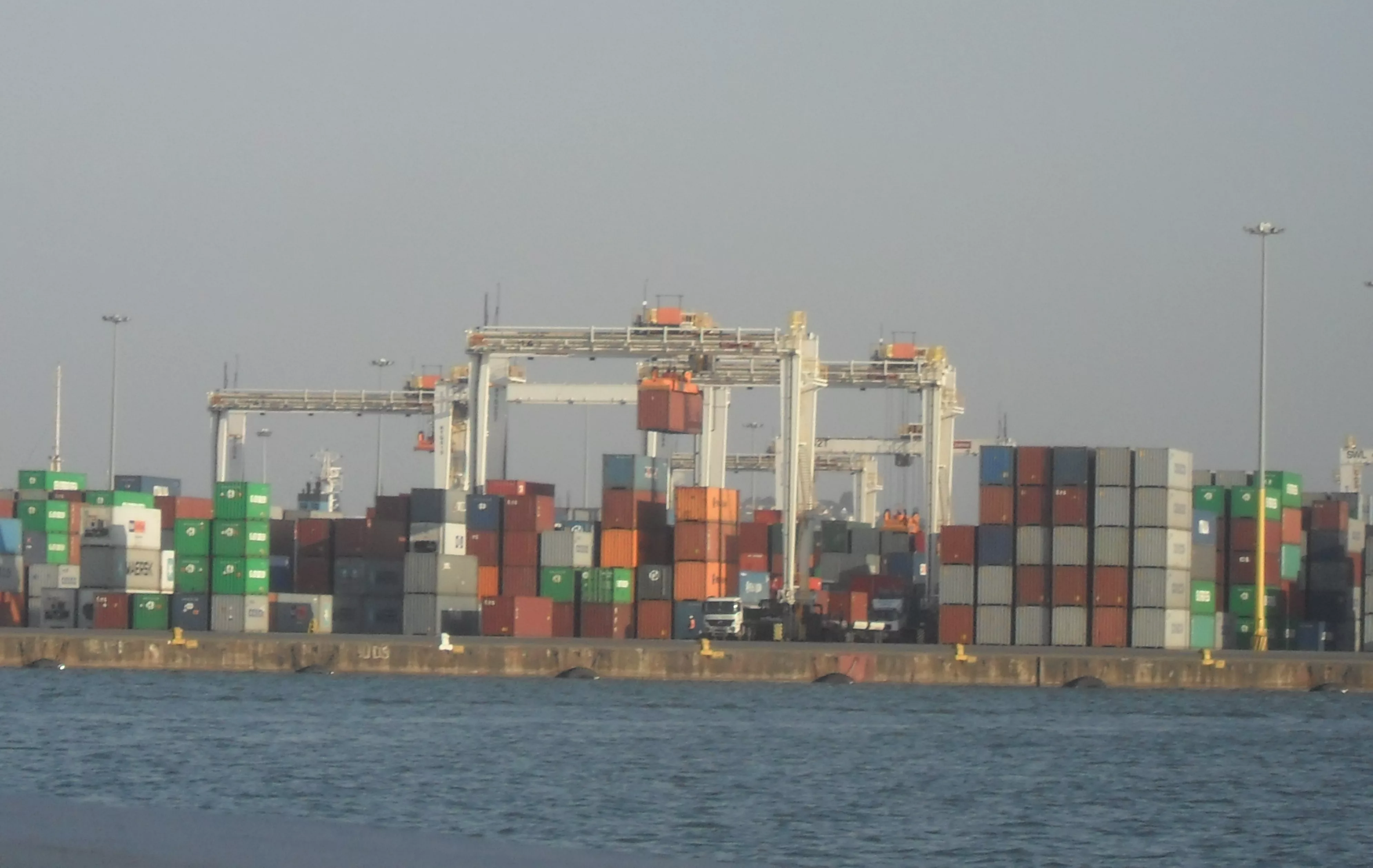
The Vitol extension at Durban’s Island View Precinct has drawn fresh scrutiny from South African regulators concerned about procurement, market power and the survival of domestic refinery supply chains.
South Africa’s competition and infrastructure regulators have flagged Vitol’s expanding position in the fuel chain over procurement, market-power and supply-security concerns. The scrutiny centres on the multinational commodity trader’s growing control of strategic fuel infrastructure in Durban.
What the regulators are examining
The Competition Tribunal approved Vitol’s takeover of Engen in April 2024, but the approval came with conditions. The tribunal imposed requirements on local procurement, refinery supply and jobs after finding risks of customer foreclosure and import displacement.
The conditions reflect a broader worry that foreign traders could squeeze out domestic suppliers and undermine local refining capacity. South Africa’s fuel market depends heavily on imports, making procurement rules a sensitive policy area.
The scrutiny has intensified as Vitol’s footprint has grown beyond trading into storage, logistics and retail assets. Regulators are now asking whether the combined Vitol-Engen operation gives the company too much leverage over the downstream fuel chain.
The Durban Island View Precinct battle
The wider context is control over Durban’s Island View Precinct, which handles a large share of South Africa’s fuel imports. In September 2025, Transport Minister Barbara Creecy used the National Ports Authority Act to extend long-term leases for oil majors including BP and Vitol.
The minister bypassed standard tendering on the stated grounds of national interest. Reuters reported the extensions were 25-year leases, a move that drew immediate criticism from transparency advocates and rival operators.
The lease extension effectively locks in foreign control of critical fuel import infrastructure for a generation. That has raised questions about whether South Africa is prioritising investor certainty over competitive procurement and local industrial development.
Money, power and the fuel chain
South Africa is trying to balance investor certainty, domestic refinery survival and state leverage over strategic fuel infrastructure. Foreign traders and oil majors retain strong influence in downstream supply chains, from import terminals to retail forecourts.
The Competition Tribunal’s conditions on the Engen deal were designed to protect local suppliers and jobs. But the port lease extensions appear to move in the opposite direction, granting long-term security to the same foreign players.
For investors, the signal is mixed: South Africa wants foreign capital and expertise, but it also wants to retain policy control over energy security. The tension is most visible at the point where fuel enters the country.
The great-power and South-South angle
The geopolitical layer is that control of fuel imports and storage links South Africa’s energy security to multinational commodity traders and global supply flows rather than purely domestic assets. Vitol, based in Switzerland, is one of the world’s largest independent energy traders.
South Africa’s position within the BRICS grouping adds another dimension. The country has sought to deepen South-South trade and investment ties, yet its fuel supply chain remains heavily influenced by Western-linked commodity traders and oil majors.
This dynamic mirrors patterns seen across Africa: The New Scramble, where control of strategic infrastructure often sits with global players rather than national champions. The question is whether South Africa can reassert leverage without deterring the investment it needs.
What the lease extension means for competition
The 25-year leases at Island View Precinct effectively entrench incumbent operators and raise barriers to entry for new competitors. Critics argue that bypassing tendering undermines the competitive procurement principles that the Competition Tribunal sought to protect in the Engen approval.
Supporters of the extension say national interest justifies long-term certainty for operators who manage critical fuel supply chains. The minister’s use of the National Ports Authority Act suggests the government views fuel security as a strategic priority that overrides standard procurement rules.
The result is a regulatory landscape where competition policy and port policy are pulling in different directions. That inconsistency is precisely what has drawn the attention of regulators and transparency groups.
What to watch next
The scrutiny of Vitol’s position is unlikely to fade quickly. Regulators will be watching whether the company meets the conditions imposed on the Engen takeover, particularly around local procurement and refinery supply.
Transparency advocates are expected to challenge the lease extension process, arguing that 25-year terms without tendering set a dangerous precedent. The outcome could shape how South Africa manages strategic fuel infrastructure for decades.
For now, the Vitol extension remains a flashpoint in the broader debate over who controls South Africa’s energy security. The answer will matter not just for fuel prices, but for the country’s industrial future.
More: South Africa news in English, every day from The Rio Times.
Frequently Asked Questions
Why are South African regulators concerned about Vitol’s fuel-chain expansion?
Regulators are concerned about procurement, market-power and supply-security risks after Vitol’s takeover of Engen and its long-term lease at Durban’s Island View Precinct.
What conditions did the Competition Tribunal impose on the Vitol-Engen deal?
The tribunal approved the takeover in April 2024 but imposed conditions on local procurement, refinery supply and jobs after finding risks of customer foreclosure and import displacement.
How long are the Durban fuel hub leases that Minister Barbara Creecy extended?
Reuters reported the extensions were 25-year leases, bypassing standard tendering on the stated grounds of national interest.
Connected Coverage
Sources
This article was produced by The Rio Times’ automated newsroom system. How we use AI · Report an error · Editorial responsibility: Matthias Camenzind, Editor-in-Chief
LatAm Markets: Live Signals → — real-time movers, turnover leaders and FX across Latin America.