U.S. Treasury Forces Brazilian Banks to Choose Between U.S. and Brazilian Law
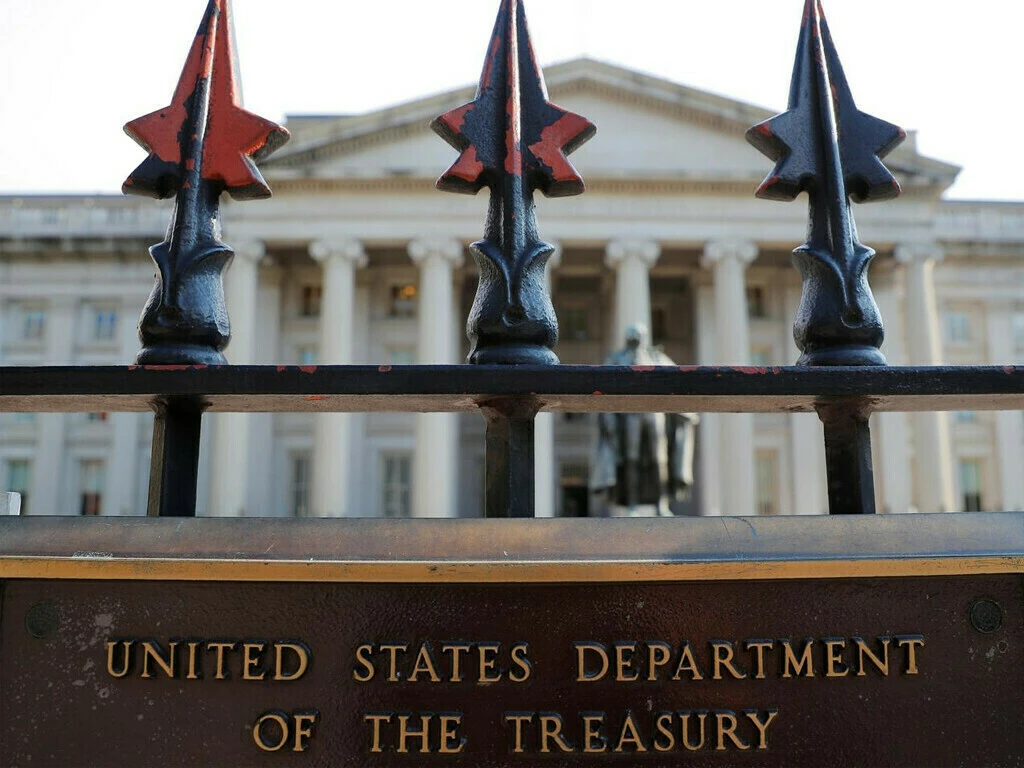
U.S. Treasury’s OFAC notified five major Brazilian banks on September 2 to enforce sanctions against Supreme Court Justice Alexandre de Moraes.
The Magnitsky Act freezes any of Moraes’s U.S. assets and bars American institutions from serving him. OFAC asked Banco do Brasil, Bradesco, Itaú, Santander Brasil and BTG Pactual to report steps taken to block his accounts and transactions.
Failure to comply risks fines or losing access to U.S. dollar clearing and global markets. Meanwhile, Brazil’s Supreme Federal Court ruled that foreign sanctions have no effect without congressional approval.
Justices Moraes and Flávio Dino warned regulators may penalize banks that act under U.S. orders. After that ruling, Brazilian bank shares fell sharply on investor fears of regulatory conflict.
This clash shows a battle between Brazil’s judicial sovereignty and U.S. extraterritorial reach. Washington uses Magnitsky to swiftly target corruption and human rights abuses worldwide.
Brazil relies on U.S. dollar funding and correspondent banks to finance trade and investment. Banks must navigate both U.S. sanctions law and Brazil’s domestic legal limits.
Complying with OFAC could breach Brazilian law; defying it could cut banks off from U.S. markets.
The outcome will influence how global banks handle dual-jurisdiction demands.
It may also redefine the limits of financial sanctions as instruments of foreign policy.
More: Brazil news in English, every day from The Rio Times.
This article was drafted with automated assistance and reviewed before publication. How we use AI · Report an error
LatAm Markets: Live Signals → — real-time movers, turnover leaders and FX across Latin America.
Read More from The Rio Times