A Nation Unbound: Turkey’s Quest for Imperial Legacy and Regional Dominance
(Analysis) Did you know the Eastern Mediterranean could hold over 100 trillion cubic feet of natural gas, potentially worth hundreds of billions of dollars? This startling figure illustrates why Turkey’s latest geopolitical maneuvers—often labeled “neo-Ottomanism”—warrant close scrutiny.
President Recep Tayyip Erdogan’s assertive policies, at home and abroad, are reshaping regional dynamics with repercussions that could ripple far beyond Turkish shores.
For nearly two decades, Erdogan has revived Ottoman symbolism in public life, signaling a departure from Mustafa Kemal Atatürk’s strict secularism. This became most evident in 2020, when Istanbul’s Hagia Sophia—long a museum—was reconverted into a mosque.
Beyond catering to conservative supporters, it reflected Turkey’s broader pivot toward an imperial-inspired identity. By invoking the Ottoman legacy, Erdogan projects Turkey as a unifying force for Muslims and a nation unbound by its 20th-century borders.
[arve url=”https://www.riotimesonline.com/wp-content/uploads/1736/01/Turk.mp4″ /]
The Blue Homeland Doctrine
A key pillar of Erdogan’s strategy is the “Blue Homeland” (Mavi Vatan) doctrine, which stakes sweeping maritime claims across the Aegean, Mediterranean, and Black Seas.
These claims directly collide with Greece and Cyprus, heightening tensions over resource exploration. In January 2025, Turkey underscored its resolve by staging “Blue Homeland 2025,” its largest-ever naval exercise.
This show of force underlined Erdogan’s willingness to contest established boundaries and challenge a post–World War I order that he sees as unjustly limiting Turkish influence.
Extending Influence: Syria
Turkey’s reach goes beyond maritime disputes. In Syria, it initially intervened against terrorist threats and to oppose the Assad regime. Today, Ankara maintains control over northern zones, aimed at securing its borders and limiting Kurdish influence.
Economic interests increasingly drive Turkish policy there, including plans for cross-border infrastructure. This blend of military and commercial objectives suggests Erdogan envisions Syria as integral to his broader plan for expanding Turkish power.
Turkish-Syrian Energy Collaboration: Power, Oil, and Geopolitics
A Broader Canvas: Turkey’s African Ambitions
Turkey is also making inroads across Africa through new embassies, defense pacts, cultural outreach, and infrastructure investments. From humanitarian aid to mosque construction, Ankara is cultivating soft power alongside trade ties.
By forging alliances on the African continent, Erdogan positions Turkey as a rising actor not only in the Middle East and Mediterranean but also in a region where global powers increasingly compete for influence.
Countermoves and Alliances
As Turkey extends its reach, neighboring states have grown closer in response. Greece, Egypt, and Cyprus recently held their 10th trilateral summit in Cairo, signing agreements on healthcare, port development, and investment.
Although modest at first glance, these initiatives reflect a unified strategy to counter Ankara’s moves. Each nation has cause for concern:
- Greece worries about sovereignty over islands and maritime claims in the Aegean.
- Cyprus fears Turkish incursions off its coastline, especially amid offshore gas exploration.
- Egypt resents Turkey’s ties to the Muslim Brotherhood, a group Cairo views as a threat.
With lucrative hydrocarbon reserves at stake, controlling subsea gas fields is a high-stakes contest. Whoever successfully exploits these resources stands to gain both economic leverage and strategic advantage.
Impact on Global Partnerships
Turkey’s assertiveness has rattled NATO and the European Union. Its purchase of Russian-made S-400 missile systems triggered sanctions and derailed joint defense projects.
EU members Greece and Cyprus have sounded alarms over Turkish maritime claims, prompting debates about stricter measures.
The question looms: Can Turkey preserve ties with the West while pursuing a more independent, and sometimes confrontational, foreign policy?
Erdogan’s break from strict secularism also affects relationships within the Muslim world. Traditional powers like Saudi Arabia and the UAE criticize Turkey’s support for political Islam.
By embracing a renewed Ottoman identity, Ankara may attract some allies but alienate others—potentially realigning broader regional politics.
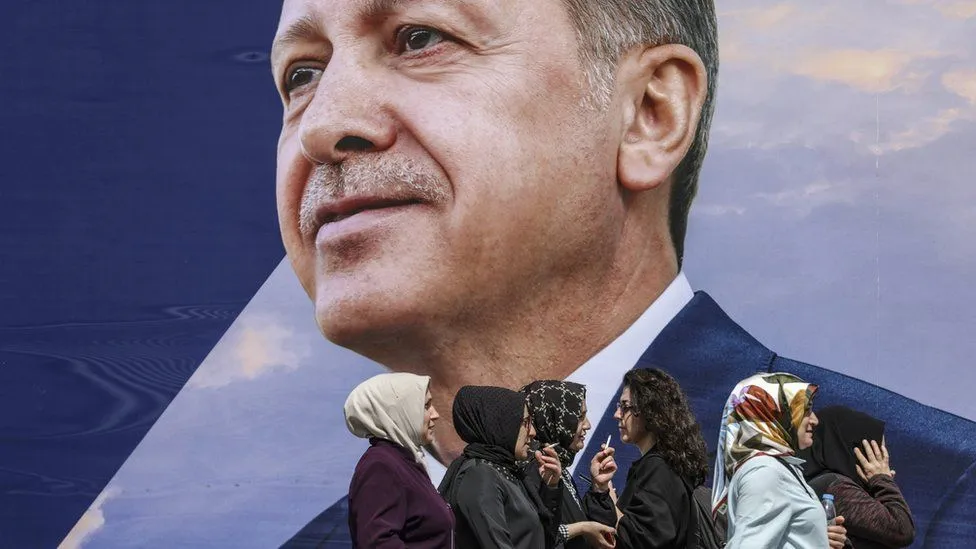
Turkey’s Quest for Imperial Legacy and Regional Dominance: Why It Matters
For international investors and policymakers, Turkey’s trajectory carries deep implications. Any significant power shift could disrupt supply chains, alter diplomatic alliances, and heighten the risk of armed standoffs over resources.
Domestic critics note that Turkey’s economy—already grappling with inflation and a weak currency—faces additional strain if sanctions intensify or foreign capital withdraws.
Erdogan’s neo-Ottoman ambitions go beyond symbolic pageantry. They represent a strategic effort to reassert Turkey as a formidable regional player, unafraid to forge its own path.
Whether this gambit yields greater influence or spurs diplomatic isolation and economic hardship remains one of the Eastern Mediterranean’s most pressing questions.
For a region steeped in historical rivalries and poised on significant energy reserves, the resolution may well reshape the geopolitical landscape for decades to come.
Read More from The Rio Times