The Yen’s Tightrope: Japan’s Cautious Dance with Interest Rates
Japan’s central bank is cautiously contemplating interest rate hikes after decades of ultra-low rates, presenting a delicate balancing act for the Bank of Japan (BOJ).
In July 2024, the BOJ nudged its key rate to 0.25% from near-zero. This small step marked a significant shift in policy direction. The bank also plans to reduce bond purchases, slowly retreating from the market.
These moves aim to normalize monetary policy after years of aggressive stimulus. However, the BOJ remains cautious, wary of derailing economic recovery.
Japan’s core inflation hit 2.7% in July, exceeding the 2% target for over two years. This persistent trend has prompted policymakers to reconsider their approach.
Yet, challenges loom. The yen’s weakness against other currencies complicates matters. A weaker yen can boost exports but also increase import costs, fueling inflation.
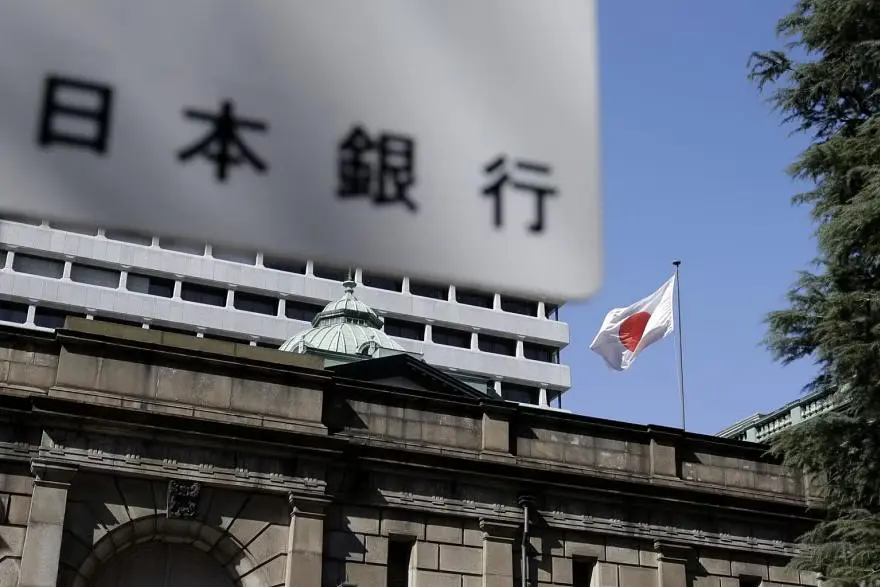
BOJ officials are closely monitoring currency movements. They acknowledge that exchange rates could impact their inflation outlook and policy decisions.
Meanwhile, global economic uncertainties add another layer of complexity. The bank must navigate these waters while supporting domestic growth.
Japan’s economy has shown signs of recovery, rebounding faster than expected in recent quarters. This upturn provides some cushion for gradual policy adjustments.
Still, memories of past policy missteps linger. The BOJ’s cautious stance reflects lessons learned from previous economic cycles.
As Japan inches towards policy normalization, the world watches closely. The country’s experience could offer insights for other economies grappling with similar challenges.
For now, the BOJ maintains its commitment to flexible monetary support. But the winds of change are blowing, albeit gently, through Japan’s economic landscape.
This article was produced by The Rio Times’ automated newsroom system. How we use AI · Report an error
Read More from The Rio Times