The EU Steps In to Back Honduras’s Power Sector Overhaul
Honduras · Energy
Key Facts
- —The offer The EU said it is ready to support Honduras’s power-sector reform with an €8 million grant, about US$9.2 million.
- —The bigger prize It floated up to €500 million (US$577 million) from the European Investment Bank, starting with €200 million.
- —The condition EU officials tied new investment to Congress approving the reform.
- —The track record From 2021 to 2026 the EU committed €173 million in grants to Honduras.
- —The voice Cristina Marín, the EU’s cooperation chief in Honduras, delivered the message.
Brussels is dangling a grant now and the promise of far bigger loans later, if Honduras’s Congress passes the reform first.
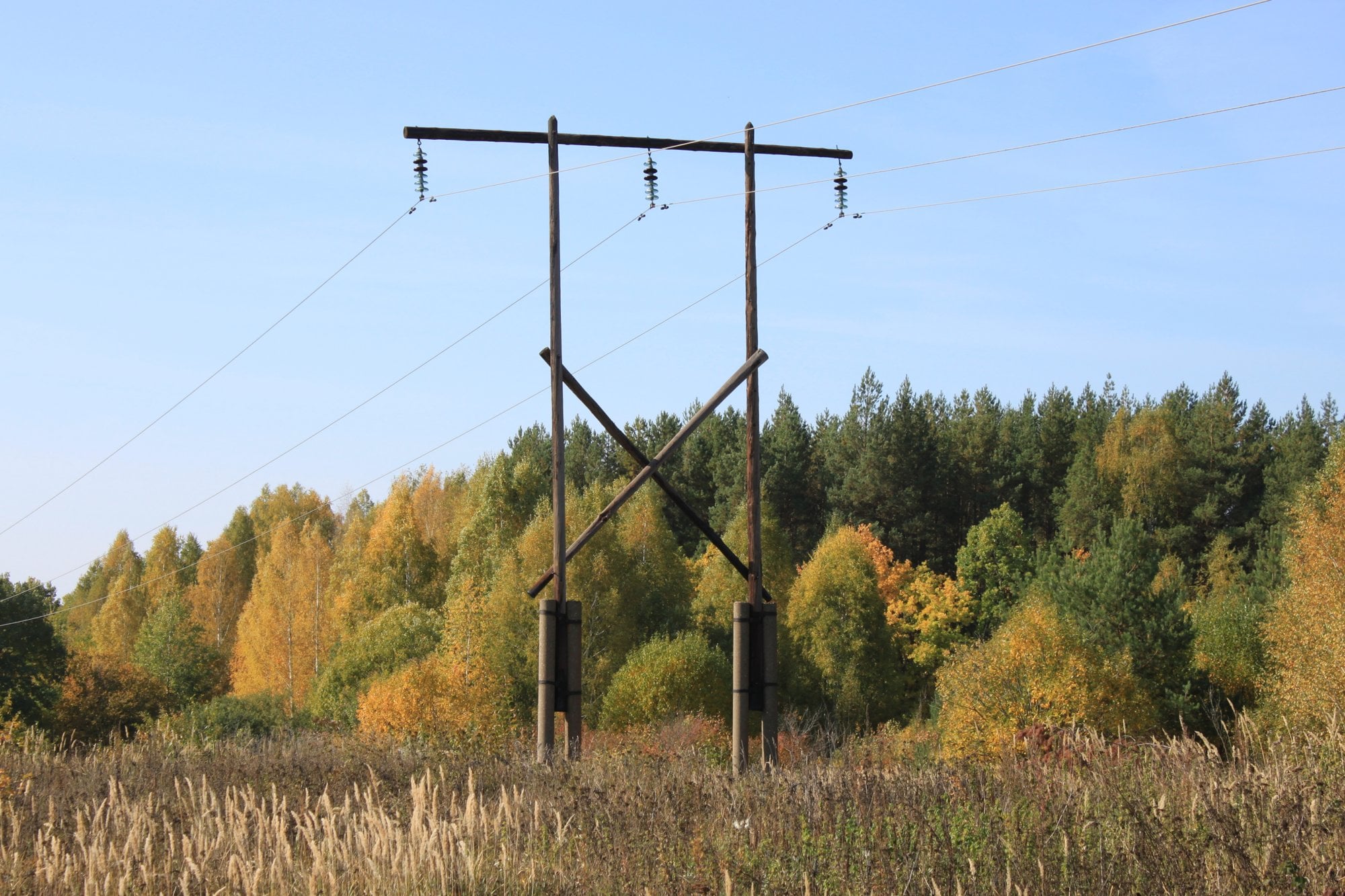
Fixing an ailing power sector is expensive, and Honduras cannot do it alone. The European Union has offered to help, putting a grant on the table now and dangling far larger loans later.
On one condition: that Honduras’s Congress passes its power sector reform first.
What the EU offered the power sector
The EU said it was ready to back Honduras’s electricity reform with an €8 million grant, roughly US$9.2 million. Still, that sum is modest, but it is framed as a first step, not the whole package.
The bigger money would follow if the reform clears Congress.
The loans behind the grant
The real prize lies with the European Investment Bank, the EU’s lending arm. Officials floated financing of up to €500 million, about US$577 million, with an initial tranche of around €200 million.
As a result, that scale of money could genuinely reshape Honduras’s power grid.
Why the power sector needs help
Honduras’s electricity system has long struggled with losses, debt and unreliable supply. Fixing it means new generation, better networks and a healthier state utility.
However, none of that is possible without large, patient investment of exactly the kind the EU is describing.
The condition attached
The support is not unconditional. Instead, EU officials made clear it hinges on Congress approving the reform.
Cristina Marín, the EU’s cooperation chief in Honduras, said parliamentary approval was needed to unlock new investment. In effect, Brussels is using its money as leverage for reform.
A relationship with a record
This is not a first date. Between 2021 and 2026, the EU committed €173 million in non-reimbursable funds to Honduras.
Those grants, officials say, helped mobilize far larger sums, up to €700 million in investment. Overall, the new offer builds on that established relationship.
Why reform is politically hard
Energy reform is rarely painless. It can mean higher tariffs, job changes at the utility and powerful interests disturbed.
That is why such reforms often stall in Congress despite obvious need. The EU’s conditional money is meant to tip the balance toward action.
What it means for Hondurans
For ordinary people, the stakes are concrete: fewer blackouts and, eventually, more stable bills. A stronger grid also underpins everything from small businesses to foreign investment.
Reliable power is a quiet foundation of economic growth.
The geopolitics of aid
Europe’s engagement in Central America is also strategic. Meanwhile, the region is courted by several global powers.
EU grants and loans are a way to build influence through development, not just diplomacy. For Honduras, competing offers can mean better terms.
What to watch next
The immediate question is whether Congress passes the reform, unlocking the larger financing. After that comes execution: turning European money into working power plants and lines.
For now, Honduras has a clear incentive dangling in front of it.
The regional energy squeeze
Honduras is not alone in its power struggles; much of Central America faces ageing grids and rising demand. Reliable, affordable electricity has become a competitiveness issue for the whole isthmus.
As a result, countries that fix their power systems stand to attract the factories and data centres now shopping for locations.
Grants versus loans
The structure of the EU offer is worth understanding. A grant is money that need not be repaid.
A loan from the European Investment Bank, by contrast, must be paid back, but on favourable terms. Pairing a small grant with the promise of large loans is a classic way to nudge reform forward.
The credibility test
For investors, the reform matters beyond the immediate cash. It signals whether Honduras can fix a chronic problem.
A country that reforms its power sector shows it can tackle hard, entrenched interests. That reputation, once earned, tends to attract capital on its own.
More: Latin America news in English, every day from The Rio Times.
Frequently Asked Questions
What did the EU offer Honduras?
An €8 million grant, about US$9.2 million, to support its power-sector reform. Plus the prospect of up to €500 million in loans from the European Investment Bank.
What is the condition?
EU officials tied new investment to Honduras’s Congress approving the electricity reform.
Why does the power sector need reform?
It has struggled with losses, debt and unreliable supply, requiring major investment in generation and networks.
Has the EU funded Honduras before?
Yes. From 2021 to 2026 it committed €173 million in grants, which officials say helped mobilize far larger investment.
Who delivered the message?
Cristina Marín, the EU’s cooperation chief in Honduras, who said parliamentary approval was needed to unlock the funds.
Connected Coverage
Sources: EFE; European Union; European Investment Bank; Honduran Congress.
This article was produced by The Rio Times’ automated newsroom system. How we use AI · Report an error
Read More from The Rio Times