Spain’s Santander Tops UBS as Swiss Banking Model Falters
After Credit Suisse’s shocking collapse in 2023, the Swiss banking sector has entered uncharted territory. The world once saw Switzerland as the ultimate safe haven for global finance, but recent events have upended that image.
UBS, which stepped in to absorb Credit Suisse, now finds itself under immense pressure from both regulators and global markets. In a twist few could have predicted, Spain’s Banco Santander has surged ahead.
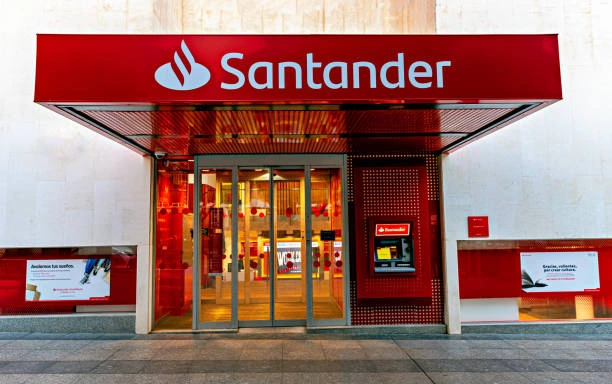
It has overtaken UBS to become the largest bank in continental Europe by market capitalization. As of April 2025, Santander’s market value reached €91.3 billion ($104 billion), while UBS’s valuation dropped to €85.7 billion ($97.2 billion).
This reversal is not just about numbers. It signals a deeper shift in European banking power. Santander’s shares have soared by over 30% this year, driven by record profits, disciplined cost control, and a growing customer base that now stands at 173 million.
The bank reported a 14% rise in profit for 2024, hitting €12.57 billion, and plans to return €10 billion to shareholders through buybacks and dividends. Its return on tangible equity climbed to 16.3%, with efficiency at a 15-year best.
UBS, meanwhile, faces a storm of challenges. The U.S. imposed steep tariffs on European and Swiss goods, hitting Swiss banks harder than their EU competitors.
UBS’s U.S. Exposure and Spain’s Banking Resurgence
UBS’s heavy exposure to the U.S. market—nearly half its assets are in the Americas—has made it especially vulnerable. Its share price has dropped over 17% this year, erasing billions in value.
The Swiss franc’s recent 8% rise against the dollar has further hurt exports and bank earnings. Swiss regulators, still reeling from the Credit Suisse debacle, now want UBS to hold up to $25 billion in additional capital, potentially raising its core capital ratio from 14% to 20%.
UBS executives warn that these demands could make the bank uncompetitive and have openly discussed relocating the bank’s headquarters out of Switzerland.
The Swiss government’s approach, focused on security and risk aversion, marks a sharp departure from the pragmatic, open policies that once made Switzerland a magnet for global wealth.
While Switzerland debates its future, Spain’s banking sector is quietly thriving. Santander has weathered the storm of tariffs and global uncertainty with a diversified business model and limited U.S. exposure—just 9% of its profits come from America.
The broader European banking sector has also rallied, with the Stoxx 600 Banks Index up 15% this year. The story behind these numbers is clear. Switzerland, once admired for its financial leadership, now faces an identity crisis.
Its last global bank is considering leaving, while Spain, once dismissed as a financial lightweight, is showing that it can still build and lead. Santander’s rise and UBS’s struggles mark a new era in European banking—one where vision, adaptability, and confidence matter more than old reputations.
This article was produced by The Rio Times’ automated newsroom system. How we use AI · Report an error
LatAm Markets: Live Signals → — real-time movers, turnover leaders and FX across Latin America.
Read More from The Rio Times