Peru Lifts Its Growth Forecast Even as the Mining Boom Stalls
Economy · Peru
Key Facts
—The upgrade. Peru’s central bank lifted its 2026 growth forecast to 3.4 percent, up from 3.2 percent in March.
—The surprise. Metallic mining is forecast to grow just 0.3 percent this year, despite copper and gold near record prices.
—The engine. The non-commodity economy is expected to expand 4.7 percent, carrying the whole forecast on domestic demand.
—The drag. A strong El Niño is forecast to cut growth by about 0.8 of a percentage point, hitting fishing and farming hardest.
—The windfall. Exports are projected near 118 billion dollars, with terms of trade at their best in seventy-six years.
—The caveat. Governor Julio Velarde called the forecast conservative, with a presidential election due in 2026.
The Peru economy is set to grow faster than expected this year, yet the upgrade hides a puzzle: the mining boom that pays the country’s bills is barely contributing to it.
Peru’s central bank has nudged up its growth forecast for the year. In its June inflation report, presented on June 19, it now expects the economy to expand 3.4 percent in 2026, up from 3.2 percent three months earlier.
On the face of it, the upgrade is a vote of confidence. Look closer, though, and it tells a stranger story about where Peru’s growth is actually coming from.
A mining boom that isn’t boosting growth
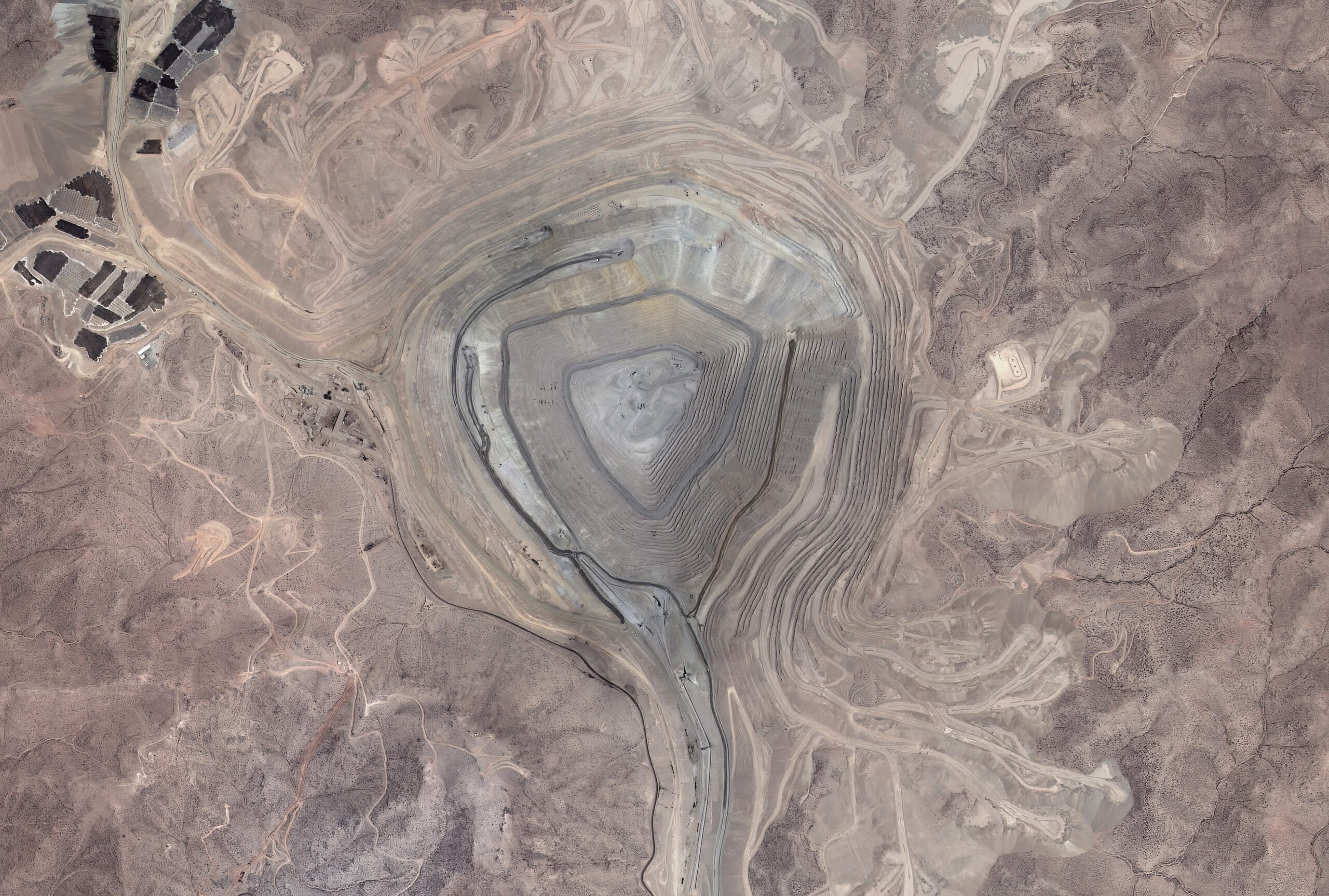
Peru is one of the world’s great mining nations, the second or third largest copper producer on the planet. So you might assume that copper and gold near record prices would light a fire under the whole economy.
They have not. The bank expects metallic mining to grow just three tenths of one percent this year, a near standstill despite the price surge and a sharp jump in mining investment in the first quarter.
The reason is volume, not value. Peru is selling its metal for far more money, but it is not digging much more of it out of the ground, because no major new mine has opened to lift output.
That gap shows up in the export figures. Shipments are projected to reach almost 118 billion dollars, with the country’s terms of trade, the price of what it sells against what it buys, at their highest level in seventy-six years.
What is really carrying the Peru economy
The work is being done by the rest of the economy. The bank splits output into two halves: the commodity, or primary, sectors, and everything else, the non-primary side that turns raw materials into goods and services.
The commodity half is set to shrink 1.6 percent this year, dragged down across the board. The non-commodity half, by contrast, is forecast to grow 4.7 percent, and that is what carries the headline number.
Governor Julio Velarde put it plainly when he presented the report. He pointed to very strong domestic demand, with household spending running a little hotter than the bank had expected.
Private investment is the standout. It is forecast to climb 12.5 percent in 2026, a second straight year of double-digit growth, with construction, commerce and services all picking up the slack.
The weather risk hanging over the year
The biggest cloud is the weather. The bank has upgraded its El Niño assumption from moderate to strong, the kind of event that last hit Peru hard in 2017.
El Niño is a periodic warming of the Pacific that scrambles Peru’s weather, and it lands squarely on the commodity sectors. Fishing is forecast to contract by more than a quarter, and farming to barely grow.
All told, the bank reckons the weather will shave roughly 0.8 of a percentage point off growth this year. Without it, Velarde suggested, the economy could have grown closer to 4 percent.
Inflation is the other wrinkle. The bank raised its 2026 forecast to 3.8 percent, above its target band, after fuel and transport costs jumped earlier in the year, though it expects prices to cool from here.
Why it matters for investors
For an outside investor, the split is the whole point. The headline says commodity boom, but the engine underneath is domestic, which makes Peru less of a pure copper bet than it first appears.
The flat mining number also carries a warning. Peru is cashing in on high prices, but it is not adding the new mines that would let it sell more metal, so today’s windfall rests on prices it does not control.
There is a brighter signal in the accounts. The current account, the broadest measure of money flowing in and out, is heading for a fifth straight surplus, exceeding even the commodity boom of the mid 2000s.
The politics sit underneath all of it. Velarde called his own forecast conservative and said growth could be higher if the next government, due to be chosen in a 2026 election, manages the economy well.
He even cast doubt on his own future, hinting he may not stay on through the political transition. For a bank that has anchored Peru’s stability for years, that is a question investors will watch closely.
Frequently Asked Questions
How fast is the Peru economy expected to grow in 2026?
Peru’s central bank now forecasts growth of 3.4 percent for 2026, up from 3.2 percent in its March report. Governor Julio Velarde called the figure conservative and said the outcome could be higher with sound management.
Why is mining barely growing if metal prices are high?
Peru is earning far more for its copper and gold, but it is not producing much more of it, because no major new mine has opened to lift output. Metallic mining is forecast to grow just three tenths of one percent in 2026.
What is the main risk to the forecast?
A strong El Niño weather event is the chief threat, expected to cut growth by about 0.8 of a percentage point and hit fishing and farming hardest. A presidential election due in 2026 adds further uncertainty over economic policy.
Connected Coverage
Peru Exports Jump 36% as Copper and Gold Power Record Run
This article was produced by The Rio Times’ automated newsroom system. How we use AI · Report an error · Editorial responsibility: Matthias Camenzind, Editor-in-Chief