(Sponsored) If you have been keeping up with Brazilian football, you have probably heard the latest controversy regarding synthetic pitches. The debate has extended globally thanks to Neymar and Thiago Silva voicing their concerns and frustrations about artificial turf, claiming it is a risk to player health and performance. However, Palmeiras, the reigning Paulista champions, refuses to back down.
The Neymar Factor
It all started when Neymar, who recently returned to Santos, his boyhood club, publicly criticized the use of artificial pitches in Brazil. The highly decorated forward is returning from a serious knee injury, and he argued that artificial turf increases the chances of injury, making the game more demanding on players. Former Selecao Canarinho teammate Thiago Silva backed up Neymar, and the conversation spread across the football world.
Palmeiras is one of several Campeonato Brasileiro Serie A teams, a famous competition popular with those looking for where to bet on soccer online, that has installed an artificial pitch. They argue that the playing surface is longer-lasting and resilient, enabling them to use their stadiums for multiple sports and activities. It also helps keep the playing surface in top condition regardless of the weather.

The Sao Paulo-based club responded to Neymar’s claims, stating that his concerns are not backed by science. Furthermore, Palmeiras pointed out that their artificial pitch, which was installed at the Allianz Parque in 2020, is FIFA-certified and meets all the necessary safety standards. A club spokesperson added that no concrete evidence links synthetic football pitches to higher injury rates.
Natural vs. Artificial: The Never-Ending Debate
This is not the first time the football world has debated artificial turf. Many of Europe’s top leagues, including the English Premier League, have a blanket ban on synthetic pitches, insisting that natural grass surfaces provide a more authentic and safer playing experience. However, in countries with more extreme weather conditions, like Brazil, where heavy rainfall can turn natural fields into a muddy mess, synthetic surfaces offer consistency and durability.
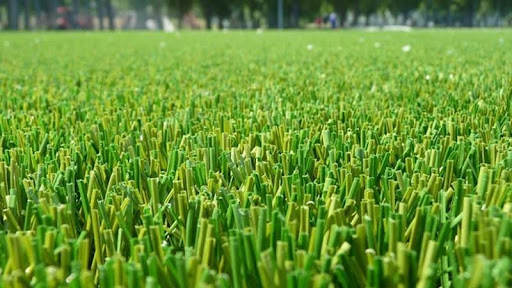
Palmeiras says their pitch allows for all-year use, reduces maintenance costs, and provides a more predictable playing surface. However, critics argue that artificial turf does not feel like the real thing because it is harder, generates more heat, and alters how the ball moves.
What Does the Stats Say?
Is Neymar right to call for a synthetic turf ban? Studies have produced mixed results. On one hand, research suggests artificial pitches increase stress on players’ joints, potentially leading to more injuries. On the other hand, some studies show that the difference in injury rates is negligible.
The Paulista champions argue that they have not noticed an uptick in injuries and that their players have adapted well. They also claim their artificial surface has helped the team maintain high-quality play throughout the season.
The Future of Brazilian Football Pitches
It does not look like synthetic pitches are going anywhere soon in Brazil. Palmeiras is standing firm, and other teams with artificial playing surfaces are reluctant to return to a natural field. But if superstars like Neymar continue pushing the issue, it would not be surprising to see a rule change at some point in the future.
This article was produced by The Rio Times’ automated newsroom system. How we use AI · Report an error
Read More from The Rio Times