Nigeria Naira Dollar Parallel Market Hits 1,407 per US$
Currency · Nigeria
Key Facts
—The move. Nigeria’s naira weakened to about 1,407 per US dollar on the parallel (black) market.
—From. That was down from roughly 1,400 per dollar the previous Friday.
—The context. The parallel market is where many Nigerians buy dollars outside official channels.
—The range. Through July, parallel-market quotes hovered broadly between 1,400 and 1,420 per dollar.
—The backdrop. Traders were watching the US Federal Reserve’s upcoming interest-rate decision for direction.
Nigeria’s currency slipped again on the street. The naira eased to about 1,407 per US dollar on the parallel market, extending a run of mild weakness as traders awaited the US Federal Reserve.
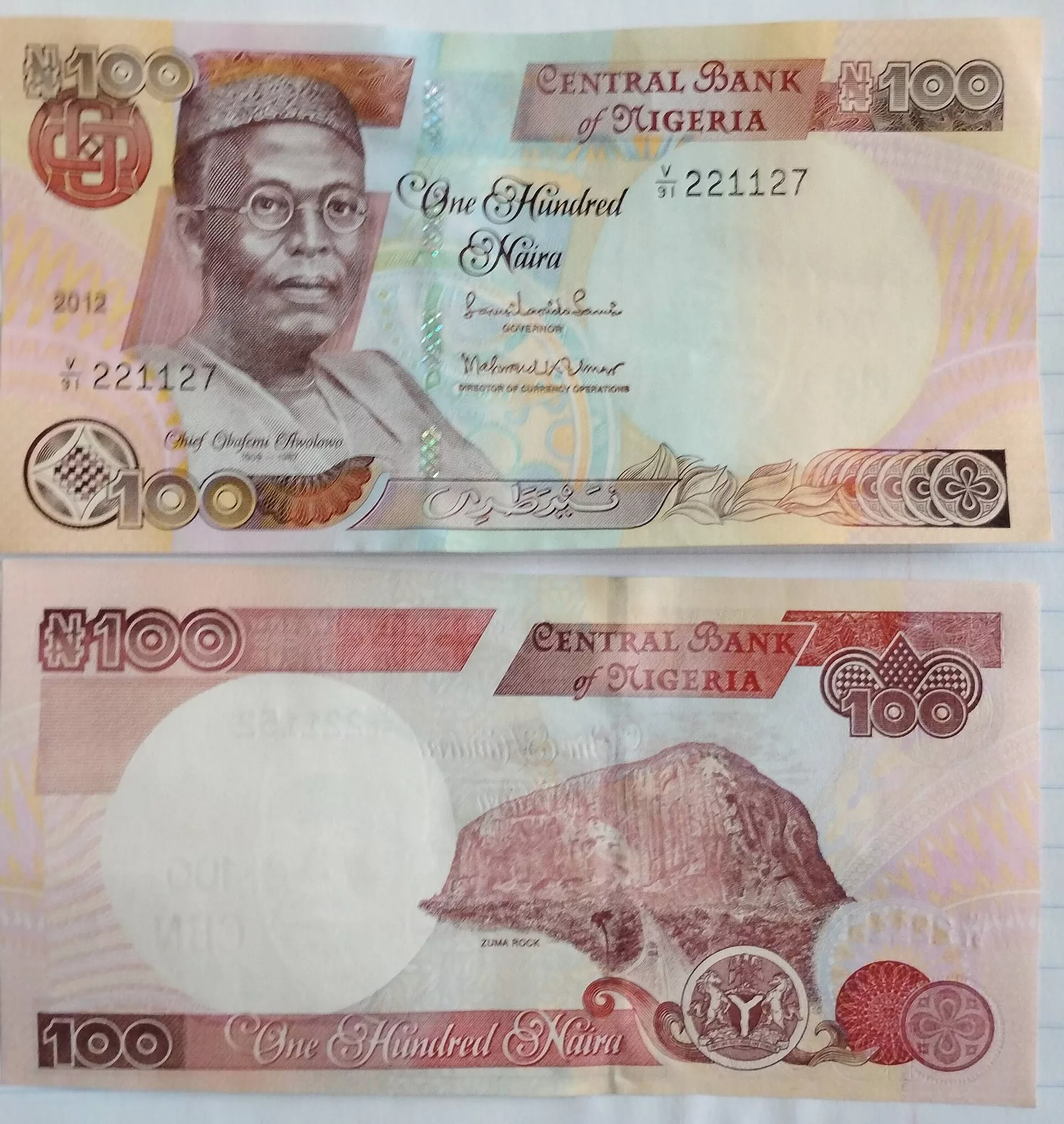
A softer naira
The naira depreciated to around 1,407 per US dollar on Nigeria’s parallel market, from roughly 1,400 the previous Friday. The move was modest but continued a pattern of gradual slippage through the month.
The parallel market, often called the black market, is where households and small businesses buy dollars outside formal banking channels. Its rate is closely watched as a gauge of real dollar demand in Africa’s most populous economy.
For a foreign reader, it helps to understand that Nigeria effectively has two exchange rates. The official rate is the one quoted by the central bank and used for large transactions, while the parallel rate reflects what someone walking into a bureau de change on a Lagos street will actually pay. Because access to dollars at the official rate is often restricted, the parallel market absorbs the overflow of demand from importers, students paying tuition abroad, and families receiving remittances.
Why the parallel market matters
Nigeria runs an official exchange rate alongside the parallel market, and the gap between them signals pressure on the currency. When the street rate weakens, it often reflects scarce dollars and strong demand for hard currency.
For ordinary Nigerians, the parallel rate shapes the cost of imported goods, travel and school fees abroad. A weaker naira raises the local price of anything priced in dollars, feeding through to inflation.
That inflation channel is especially painful in a country where a large share of household spending goes to food and fuel, both of which have a heavy import component. Even goods made locally often rely on imported raw materials or machinery, so a shift of a few naira on the parallel market can ripple through prices in markets and shops within days.
What is driving it
Through July, parallel-market quotes drifted within a band of roughly 1,400 to 1,420 per dollar. Persistent dollar demand and thin foreign-exchange liquidity have kept the currency under mild, steady pressure.
Traders were also positioning ahead of the US Federal Reserve’s interest-rate decision. A more hawkish Fed tends to strengthen the dollar globally and weigh on emerging-market currencies like the naira.
The logic is straightforward: when US rates rise or are expected to stay high, global investors often pull money out of riskier markets and park it in dollar-denominated assets. That reduces the flow of foreign capital into places like Nigeria and increases the relative scarcity of dollars on the ground, nudging the parallel rate weaker even before any official announcement.
The reform backdrop
Nigeria has pursued reforms to unify its exchange rates and attract foreign inflows after years of currency controls. The measures were meant to narrow the gap between the official and parallel rates and rebuild investor confidence.
Progress has been uneven, and the parallel market remains a barometer of how far those efforts have come. Bouts of weakness like this one show the naira is still sensitive to shifts in dollar supply and demand.
Unifying the rates is a delicate balancing act. Letting the official rate float closer to the parallel rate can make the country more attractive to portfolio investors, but it also risks a sharp one-off devaluation that stokes inflation. That is why traders and ordinary Nigerians watch every small move on the parallel market: it hints at whether the official rate will have to adjust further.
The oil connection
Crude oil is Nigeria’s main source of dollars, so swings in global oil prices feed directly into the currency. Softer oil earnings tighten the supply of foreign exchange and add to pressure on the naira.
Managing that dependence is central to the country’s push for stability. Diversifying exports and lifting non-oil dollar inflows are long-term goals behind the exchange-rate overhaul.
This structural reliance means the naira often moves in tandem with crude benchmarks like Brent. When oil prices dip, the central bank has fewer dollars to sell into the official market, and the parallel rate typically comes under immediate strain as importers scramble for the shrinking pool of hard currency.
What to watch
The immediate focus is whether the naira holds near 1,400 or slides further as global rate expectations shift. Movements in oil revenue and central-bank interventions will also shape the near-term path.
For investors and residents, the parallel rate will stay a key signal of the economy’s dollar squeeze. A durable turn would require steadier inflows and a narrower gap with the official rate.
One open question is whether the central bank will step in with dollar sales to calm the parallel market if the rate drifts toward the upper end of its recent band. Another is how quickly the gap between the official and parallel rates might narrow if the Fed signals a pause or a cut, which could ease the global dollar squeeze and give Nigerian policymakers more breathing room.
Frequently Asked Questions
How weak is the naira?
The naira eased to about 1,407 per US dollar on Nigeria’s parallel market, down from roughly 1,400 the previous Friday.
What is the parallel market?
It is the informal, or black, market where many Nigerians buy dollars outside official banking channels; its rate reflects real dollar demand.
Why is the currency under pressure?
Persistent dollar demand, thin FX liquidity, softer oil earnings and caution ahead of the US Federal Reserve’s rate decision have kept the naira soft.
Sources
Part of our ongoing coverage
Africa: The New Scramble — the great-power contest over the continent.
Read More from The Rio Times