JSL Q2 Adjusted Net Income Falls 16.6% to US$5.9 Million
Brazil · Business
Key Facts
- —Adjusted net income R$30.2 million, down 16.6% YoY
- —Reported net income R$12.0 million, down 43.7% YoY
- —Adjusted EBITDA R$493.7 million, margin 19.8%
- —Net revenue R$2.5 billion, up 4.9% YoY
- —Results disclosed Monday, 10 August 2026
- —Revenue guidance R$21.4 billion for 2030
The logistics firm saw lower profit even as revenue grew, with costs and interest expenses taking a toll.
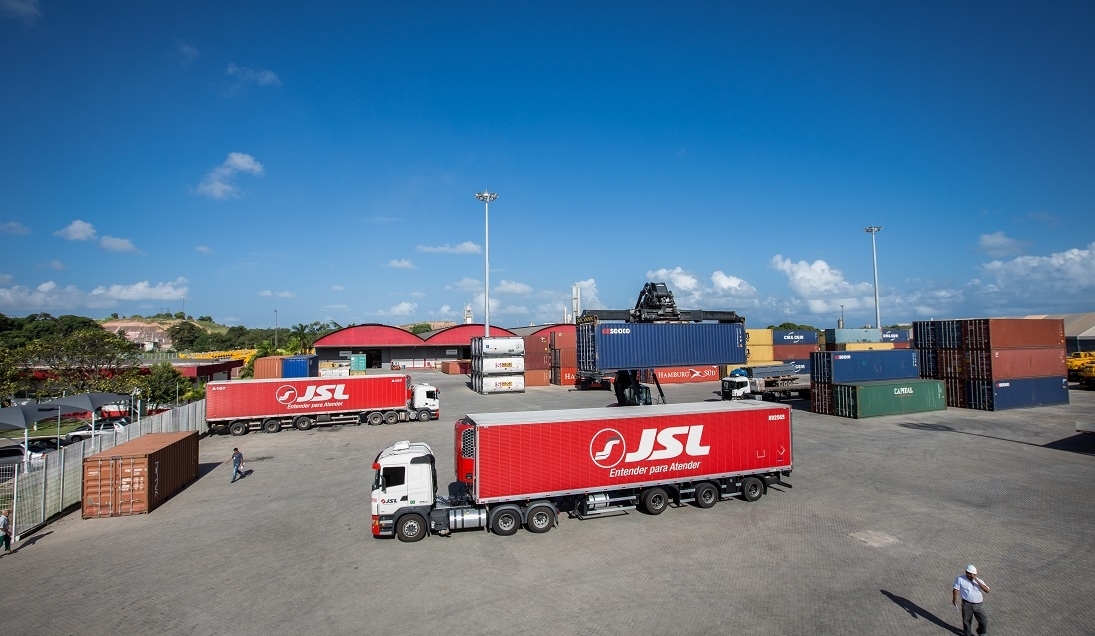
JSL (B3: JSLG3) reported second-quarter 2026 adjusted net income of R$30.2 million, down 16.6% year on year. The company released the results on Monday, 10 August 2026.
JSL: Profit Decline Details
Adjusted net income fell compared with the same period last year. The company said higher financial costs and operating expenses caused the drop.
Reported net income, which includes one-off items, was R$12.0 million, down 43.7% from R$21.4 million a year earlier. Both figures come from Reuters and InfoMoney.
The adjusted figure removes some one-off effects to show ongoing performance. The gap between adjusted and reported numbers changed in Q2 2026.
Management blamed higher interest rates in Brazil for the increased financial costs. Operating expenses also rose, putting pressure on margins even as revenue grew.
Revenue and EBITDA Performance
Net revenue reached R$2.5 billion, up 4.9% year on year. Adjusted EBITDA was R$493.7 million, with a margin of 19.8%.
Reuters rounded EBITDA to R$494 million, noting a 0.4% increase from last year. The company said new contracts and expansion in existing operations drove revenue growth.
The EBITDA margin of 19.8% was nearly flat compared with the prior year. That shows operating profitability held up despite cost pressures.
Management said efficiency gains in fleet management and route optimization helped offset higher labor and fuel costs. Revenue growth was moderate, reflecting careful contract selection in a competitive market.
Balance Sheet and Leverage
This comes from a TradingView transcript of the earnings call. No acquisitions were announced in the second quarter.
The lower leverage came from higher EBITDA and disciplined spending on equipment. Management said it would keep prioritizing debt repayment over expansion.
Cash generation from operations stayed strong, helping fund growth while reducing net debt. The company’s large fleet provides a steady source of revenue and cash flow.
Guidance and Outlook
JSL reaffirmed its 2030 revenue guidance of R$21.4 billion, as reported by Reuters. The company expects continued margin improvement and careful use of capital.
Analysts at Banco BBI cut their price targets for JSL and its parent Simpar, but kept a buy rating, according to EuQueroInvestir. This reflects expectations of lower near-term profitability.
The guidance implies an average annual growth rate of about 15% from 2025 revenues. Management considers this achievable given the pipeline of opportunities.
The company expects Brazil’s logistics market to benefit from agribusiness and e-commerce growth. Management acknowledged near-term challenges from interest rates and inflation, but expressed confidence in operational improvements.
Market Reaction
Shares of JSL fell after the earnings release, though the company beat analyst estimates for adjusted EBITDA, according to an Investing. com transcript.
The stock decline was attributed to weaker net income and concerns about interest rates. The earnings call transcript indicates management’s confidence in achieving its guidance.
Investors focused on the bottom-line miss rather than the EBITDA beat, highlighting the sensitivity of net income to financial costs. The stock’s reaction also reflected broader market concerns about Brazilian interest rates.
Despite the share price decline, management expressed confidence that focusing on organic growth and deleveraging would deliver results over the medium term. The company’s diverse customer base and long-term contracts provide revenue visibility.
Company Background
JSL is a Brazilian logistics company offering fleet management, dedicated transportation, and warehouse operations. It is controlled by Simpar, a holding company that owns interests in other transportation and infrastructure businesses.
JSL has grown significantly through acquisitions over the past decade but has recently shifted focus to organic growth and debt reduction. The customer base spans retail, consumer goods, and industrial manufacturing.
The company’s integrated business model combines asset ownership with technology-driven management services. This allows JSL to offer customized solutions while maintaining control over service quality and efficiency.
JSL’s competitive strength comes from its scale and geographic reach across Brazil. The company continues to invest in technology to improve fleet utilization and fuel efficiency, which are key to profitability in logistics.
More: Brazil news in English, every day from The Rio Times.
Frequently Asked Questions
What was JSL’s adjusted net income for Q2 2026?
JSL reported adjusted net income of R$30.2 million for the second quarter of 2026. This is a 16.6% decline compared with the same period in 2025.
How did JSL’s revenue perform in Q2 2026?
Net revenue increased 4.9% year on year to R$2.5 billion. The growth came from new contracts and expansion in existing operations.
What is JSL’s leverage ratio?
This is lower than a year earlier.
Did JSL announce any acquisitions in the quarter?
No acquisitions were announced by JSL during the second quarter of 2026, according to the sources reviewed. The company’s focus remains on reducing debt and organic growth.
Sources: Reuters; InfoMoney; TradingView (transcript); Investing.com; EuQueroInvestir; The Rio Times
This article was produced by The Rio Times’ automated newsroom system. How we use AI · Report an error
LatAm Markets: Live Signals → — real-time movers, turnover leaders and FX across Latin America.
Read More from The Rio Times