Researchers in Japan have unearthed extensive deposits of rare earth minerals in the Pacific Ocean near Minami-Torishima.
These seabed resources, encapsulated within manganese nodules, contain an estimated 250 million tons of essential minerals such as manganese, cobalt, nickel, and iron.
These elements are crucial for modern industries, especially in the production of batteries for electric vehicles.
This discovery marks a pivotal shift for Japan, enabling it to reduce its dependence on foreign minerals, particularly from China.
China currently leads in the global supply of these vital resources. The seabed minerals have the potential to sustain Japan’s industrial needs for decades.
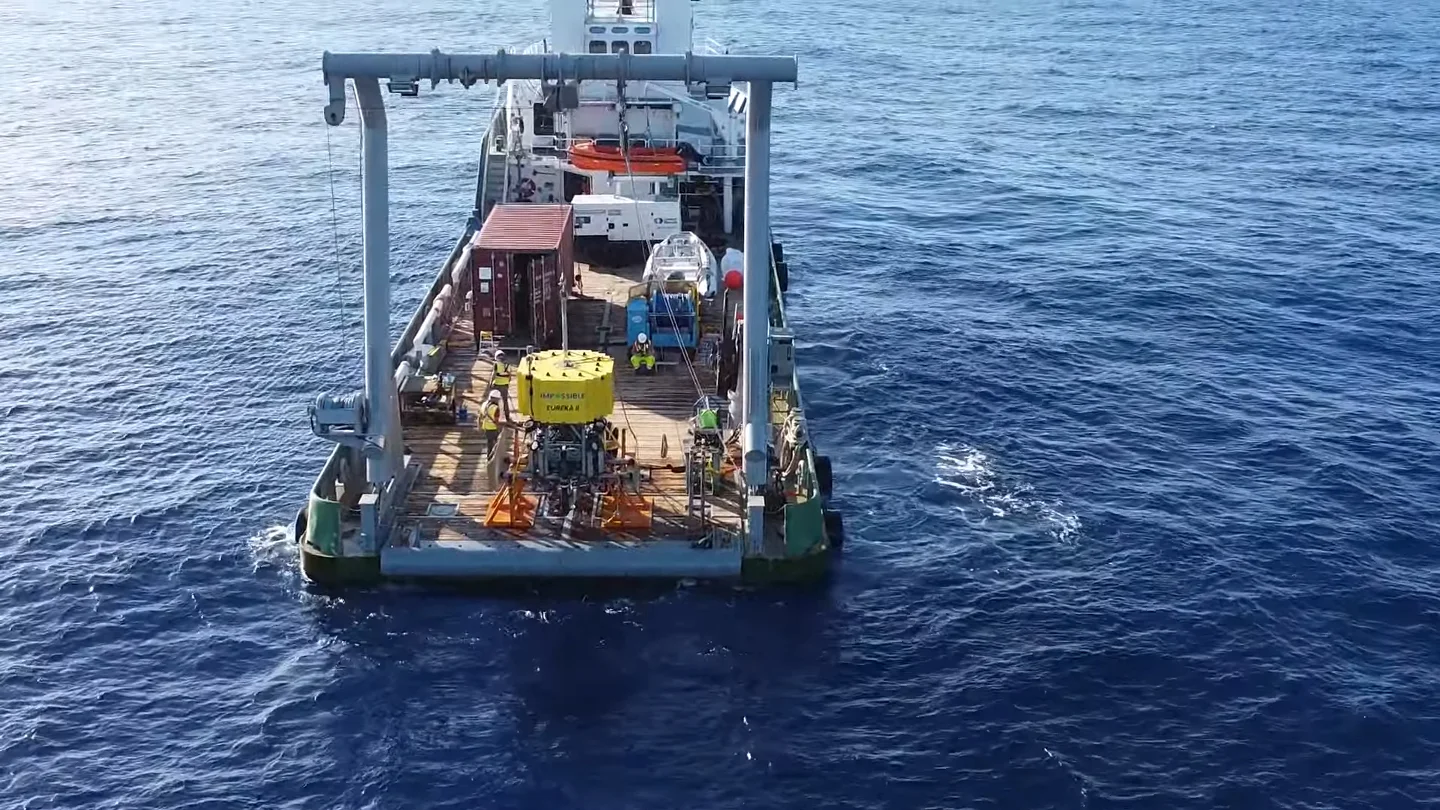
JOGMEC, a key player in this venture, has highlighted that cobalt deposits in the area could meet domestic demands for up to 88 years and nickel for 12 years.
However, the path to harnessing these resources is fraught with challenges. Environmental concerns, technological barriers, and changing market dynamics pose significant hurdles.
For example, the global battery market is gradually moving away from cobalt due to its high cost and ethical issues related to its mining.
Japan’s Deep-Sea Mining Initiative
In response, Japan is focusing on developing innovative mining technologies. One such advancement is the ‘Subsea Factory,’ spearheaded by JAMSTEC.
This system is designed to reduce operational costs and minimize environmental impact by employing highly automated technologies for the extraction process.
The implications of this initiative extend beyond national borders. Japan’s pioneering in deep-sea mining could make it a global leader, influencing worldwide mining practices significantly.
Moreover, this venture aligns with Japan’s broader national security strategy. It aims to fortify its supply chain resilience and lessen its reliance on specific nations for critical resources.
In essence, Japan’s venture into deep-sea mining aims to secure a stable supply of minerals.
Simultaneously, it seeks to assert its technological prowess and strategic autonomy on the global stage.
This could potentially reshape global mineral markets and supply chains, offering a new model of resource independence that other nations might follow.
This article was produced by The Rio Times’ automated newsroom system. How we use AI · Report an error
Read More from The Rio Times