Japan Takes Center Stage in U.S. Trade Negotiations Amid Tariff Pressures
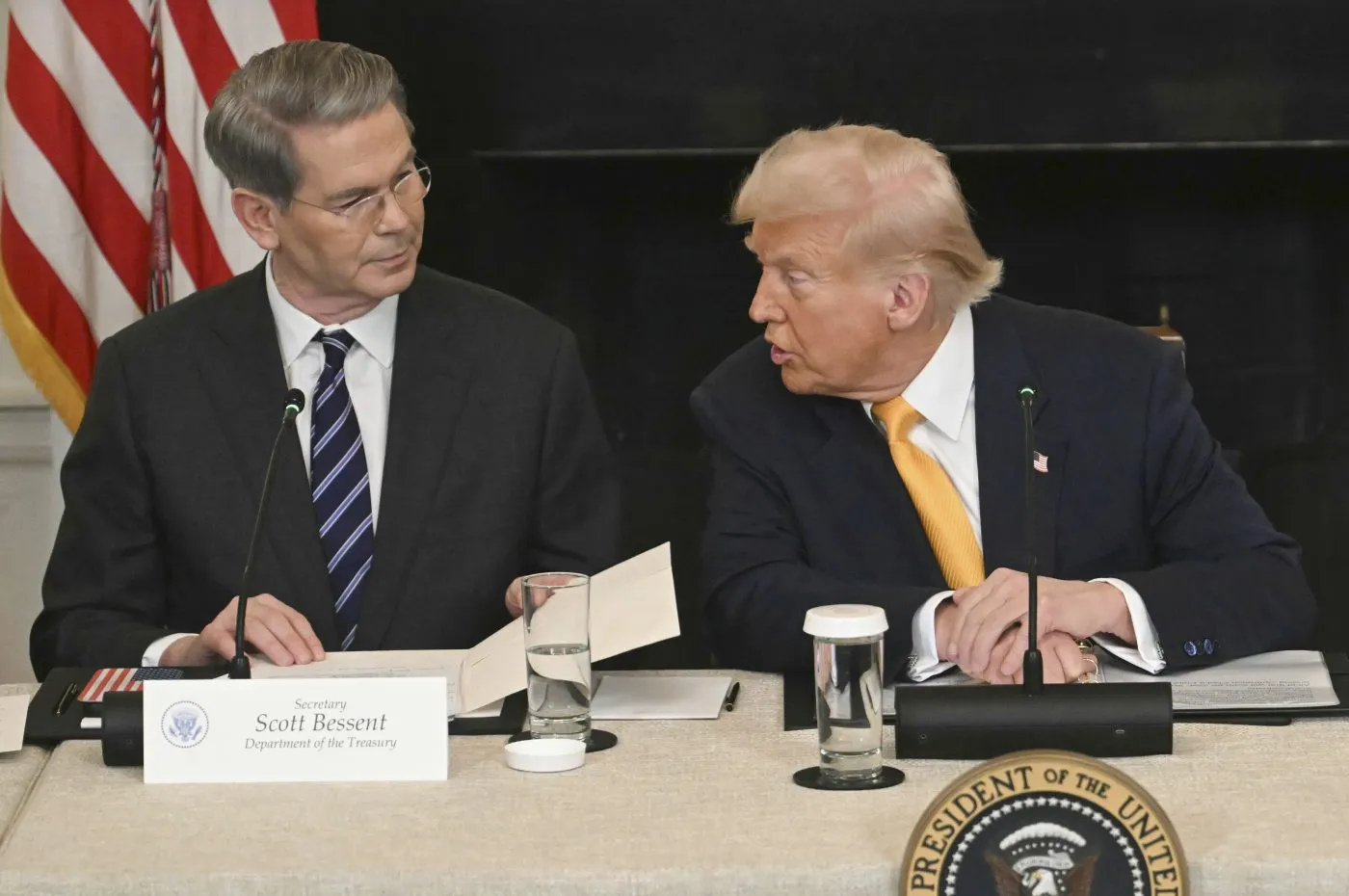
U.S. Treasury Secretary Scott Bessent confirmed that Japan is likely to be prioritized in trade talks under President Donald Trump’s administration.
Bessent attributed this to Japan’s swift engagement following the imposition of tariffs that have disrupted global trade. In an interview, he emphasized the goal of reducing tariff levels through negotiations, though no specific timeline was provided.
Trump’s administration has implemented steep tariffs, including a 25% levy on automobile imports and reciprocal duties on Japanese goods. These measures aim to address trade imbalances but have strained Japan’s export-driven economy.
Analysts predict Japan’s GDP growth could drop by up to 2% over the coming years due to reduced exports, particularly in the automotive sector.
Japanese Prime Minister Shigeru Ishiba expressed concern over the tariffs’ impact, describing them as harmful to Japan’s economy and urging collaborative solutions.
Ishiba seeks a focus on industrial and agricultural tariffs through a Trade Agreement on Goods (TAG). Meanwhile, U.S. negotiators are pushing for broader agreements covering services, investment, and currency measures.
The talks highlight both economic and geopolitical stakes. Japan remains a key ally of the United States, making these negotiations critical for maintaining strong bilateral ties. However, the tariffs have already caused significant disruptions, with projections showing a potential 0.8% reduction in Japan’s growth and risks to wage increases and inflation stability.
The outcome of these discussions will shape future trade relations between two major economies while addressing broader concerns about protectionism and global interdependence. Both sides aim to find common ground amid mounting economic pressures.
This article was produced by The Rio Times’ automated newsroom system. How we use AI · Report an error
Read More from The Rio Times