Japan Leaves Era of Free Money as Inflation and Debt Costs Climb
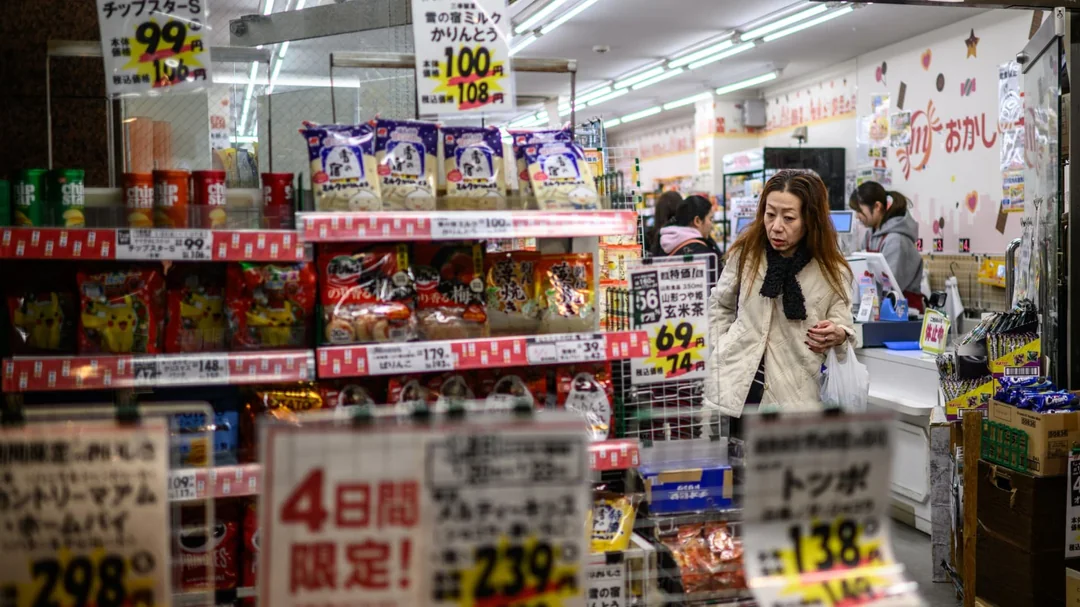
Japan’s official data show consumer prices excluding fresh food rose 3.1% in July from a year earlier, above the central bank’s 2% goal. Prices excluding food and energy increased 3.4%, showing inflation has spread into services and daily goods.
For decades Japan battled deflation and weak price growth. The current rise, while far below the 25–30% inflation of the 1970s oil shock, is high by modern Japanese standards.
A weaker yen has made imports costlier, and unions won over 5% average wage hikes in 2025, the biggest in more than thirty years. That combination pushes service and food prices higher, keeping pressure on households.
Government bond markets now price in a new reality. The 20-year yield reached 2.655%, its highest in decades. The Ministry of Finance has raised its assumed long-term rate for budget planning to 2.6%, signaling that Japan expects borrowing to stay more expensive.
Debt levels remain extreme at about 230–255% of GDP, the highest among major economies. The Bank of Japan holds close to half of all government bonds, while most of the rest sit in domestic hands.
With an average bond maturity of more than nine years, interest costs rise only gradually, but they are already taking a larger share of the national budget. The Bank of Japan keeps short-term rates near 0.5% but faces pressure to tighten further if wages continue to fuel prices.
Any move higher affects global finance because the yen funds the “carry trade,” in which investors borrow cheaply in Japan to invest elsewhere. As Japanese rates climb, that trade becomes riskier and sudden unwinds can jolt global markets.
The story behind the numbers is clear. Japan is no longer the country of zero inflation and near-free money. Prices are rising, wages are climbing, and bond yields are pushing higher.
The government can still fund itself thanks to domestic savings and central bank support, but the cost of servicing its enormous debt is climbing steadily.
The world must now adjust to a Japan where money is no longer almost free, and that shift carries consequences well beyond Tokyo.
This article was produced by The Rio Times’ automated newsroom system. How we use AI · Report an error · Editorial responsibility: Matthias Camenzind, Editor-in-Chief