Gustavo Petro Chooses Mexico for His First Trip Abroad as Ex-President
COLOMBIA · POLITICS
Key Facts
—The trip: Former Colombian president Gustavo Petro is in Mexico City, his first journey abroad since leaving office on 7 August. He returns to Colombia on Wednesday, 2 September.
—The finale: A public lecture at Mexico’s National University (UNAM) on the political economy of the climate crisis. Free tickets were gone within about two hours.
—The permission: Colombia’s constitution required Senate approval for the trip. The Senate voted 73 to 11 in favor — with conditions.
—The backdrop: Petro does not recognize the election of his successor, Abelardo de la Espriella, and now leads the opposition Pacto Histórico movement.
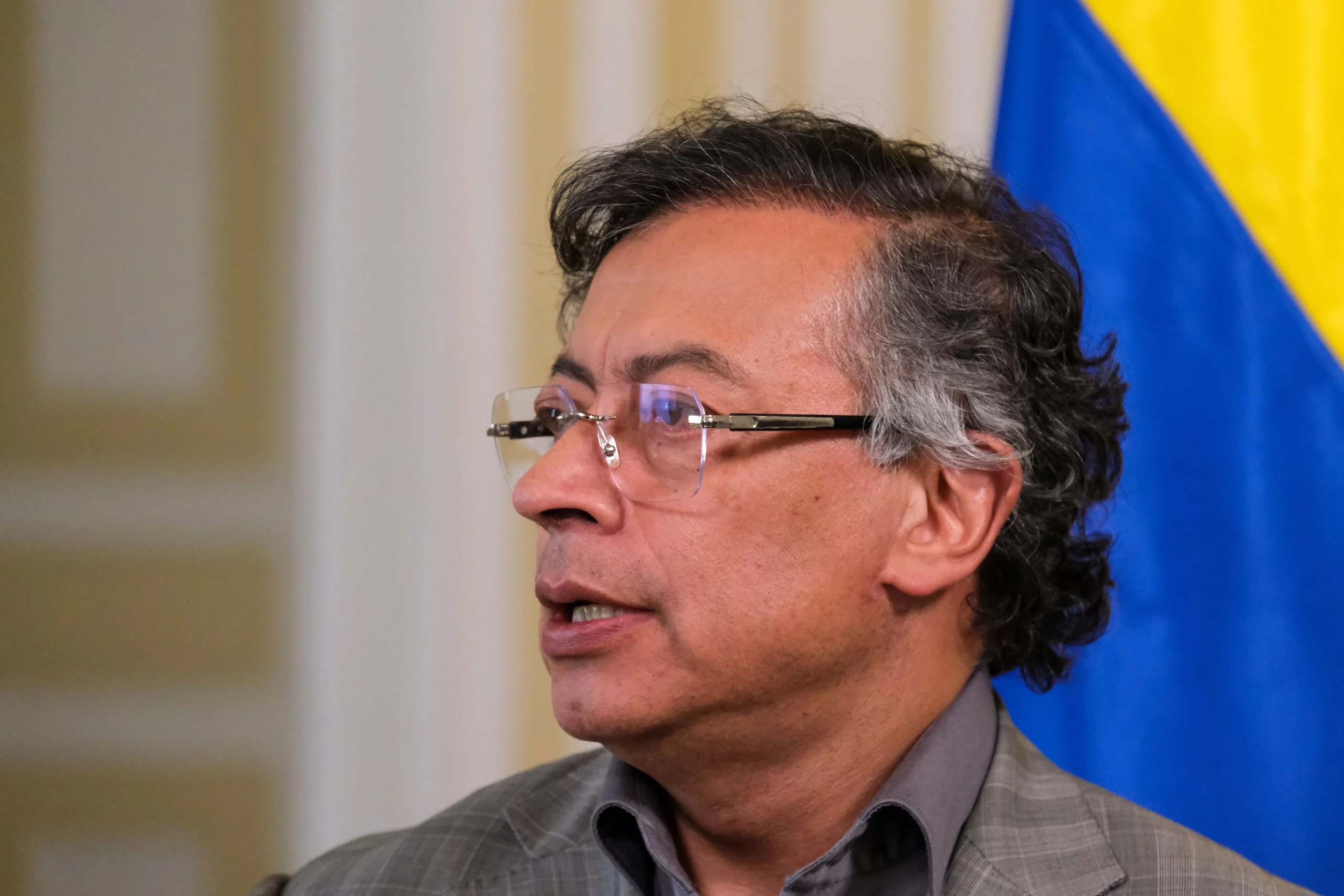
Gustavo Petro chose Mexico for his first trip abroad as a former president. The Gustavo Petro Mexico visit mixes a sold-out university lecture, a book deal and opposition politics — and it almost did not happen, because back home the Senate had to let him go first.
A lecture, a book and a warm crowd
Petro arrived in Mexico City over the weekend and closes his visit on Wednesday, 2 September, with an academic lecture at the Universidad Nacional Autónoma de México (UNAM), the country’s largest university. The event, hosted by professor John Ackerman and a university program on democracy, justice and society, was moved to the larger Auditorio Alfonso Caso after registrations filled the original venue within hours, Diario Red reported.
His subject: the political economy of the climate crisis, the theme of a book he says is already finished. In his own words, posted on social media, he will discuss the final chapter, which argues that the robotization imposed by the current phase of capital accumulation leads to fascism. He said the seats were gone “in two hours”.
The trip also has a publishing dimension. Petro met Paco Ignacio Taibo II, the writer and director of the Fondo de Cultura Económica, Mexico’s giant state publishing house, and Taibo’s wife Paloma Saiz, who runs Mexico City’s Zócalo international book fair. The two sides agreed to publish Petro’s book — titled “Economía política de la Crisis Climática” — in Spanish across the Spanish-speaking world, El Colombiano reported. Taibo is himself the author of a well-known biography of Che Guevara.
According to Colombian media covering the trip, Petro’s first encounters in the capital were with members of the large Colombian community in Mexico. The UNAM event is expected to draw university authorities, students, diplomats and figures from Mexico’s ruling Morena movement.
The Senate fight over his passport
The Gustavo Petro Mexico trip required a formality that most ex-presidents elsewhere never face. Article 196 of Colombia’s 1991 constitution bars a former head of state from leaving the country during the year after leaving office without prior Senate permission — a rule designed to keep ex-presidents available for judicial or disciplinary proceedings. For Petro, that window runs from 7 August 2026 to 7 August 2027.
Petro filed his request on 10 August, citing “personal, social, political and academic” commitments abroad. Two days later the Senate approved it, 73 votes to 11 — but with a condition added by opposition senators: he must report the exact dates and destinations of every foreign trip to the Senate’s steering board.
The vote followed weeks of pressure to keep him grounded. Former president Andrés Pastrana had publicly urged the Senate to block any departure until Petro answers for scandals involving his campaign and administration. The mother of Kevin Acosta, a boy whose death in a healthcare scandal is under investigation, asked Congress to deny the permit while prosecutors examine whether Petro bears responsibility. A lawyer for a former senior official separately asked the Senate to revoke the authorization. None of the requests prospered, and Petro left the country without incident.
Life after the Casa de Nariño
Petro, Colombia’s first left-wing president, handed over power on 7 August to Abelardo de la Espriella, a conservative lawyer who won the 21 June runoff with 49.66% of the vote against 48.70% for Iván Cepeda, the candidate of Petro’s Pacto Histórico coalition. Petro has refused to recognize the result, alleging fraud — a claim electoral authorities have not upheld — and no meeting between the two men ever took place during the transition.
Far from retiring, Petro has assumed the presidency of the Pacto Histórico movement and last Friday launched what he calls a “Cabinet for Life”, a body of former ministers from his government meant to shadow and challenge the new administration. Colombian polling firm CELAG measured his approval at 54.8% as he left office, one of the highest exit ratings for a departing Colombian president in recent decades, according to the pollster.
Mexico is a natural first stop. Its president, Claudia Sheinbaum, leads a left-leaning government with close ties to Colombia’s progressive camp, and UNAM has long been a second intellectual home for Latin America’s left. For Petro, the visit offers a friendly stage at a moment when his legal and political battles at home are only beginning.
Frequently Asked Questions
Why did Petro need permission to travel?
Article 196 of Colombia’s constitution requires ex-presidents to obtain Senate approval before leaving the country within a year of leaving office. The Senate approved Petro’s request 73-11, on condition that he report each trip’s dates and destinations.
What is Petro doing in Mexico?
He is giving a lecture on the political economy of the climate crisis at the UNAM on Wednesday, 2 September, and agreed with publisher Fondo de Cultura Económica to release his finished book on the same subject across the Spanish-speaking world.
Who succeeded Petro as president?
Abelardo de la Espriella, who won the 21 June runoff with 49.66% against Iván Cepeda’s 48.70% and was sworn in on 7 August in Cali. Petro disputes the result, alleging fraud; electoral authorities have not upheld that claim.
Is Petro still politically active?
Yes. He now chairs the Pacto Histórico movement and has launched a “Cabinet for Life” of former ministers to shadow the new government.
When does he return to Colombia?
The trip is short. Petro is due back on Wednesday, 2 September, after his UNAM lecture.
Sources: El Colombiano; Diario Red; RTVE; Vanguardia (Colombia); Xinhua; statements by Gustavo Petro on social media, 31 August 2026.
Connected Coverage
Read our related report “Colombia’s Left Unveils a Shadow Cabinet to Track De la Espriella” and follow the story on our Colombia hub.
This article was produced by The Rio Times’ automated newsroom system. How we use AI · Report an error
In depth
Read More from The Rio Times