IBOV 172,470.78 ▲ 0.66% IPC MEX 71,905.78 ▲ 0.05% MERVAL 2,848,945 — — USD/BRL5.56▼ 0.39% USD/MXN18.61▼ 0.07% USD/CLP984.27— 0.00% USD/COP3,273▼ 0.03% USD/PEN3.41▼ 0.05% USD/ARS1,544▼ 0.11% USD/UYU40.52▲ 3.70% USD/PYG6,174▲ 1.84% USD/BOB11.63▲ 0.92% USD/DOP60.48▲ 0.13% USD/CRC446.01▲ 1.66% USD/GTQ7.64▲ 3.18% USD/HNL26.90▲ 0.20% USD/NIO36.62▲ 1.17% USD/VES899.36▼ 0.13% USD/PAB1.00— 0.00% USD/BZD2.00— 0.00% USD/JMD157.49▲ 2.33% USD/TTD6.72▲ 2.23% EUR/BRL6.16▼ 0.19% BRENT 93.20 ▲ 1.87% WTI 87.07 ▲ 1.20% IRON ORE 161.91 — — COPPER 6.28 ▲ 1.02% GOLD 4,001 ▼ 0.73% SILVER 52.03 ▲ 1.81% SOY 1,232 ▲ 0.57% CORN 446.75 ▼ 0.50% WHEAT 598.00 ▲ 0.89% COFFEE 265.00 ▼ 2.36% SUGAR 18.47 ▲ 2.10% ORANGE JUICE 146.15 ▼ 0.41% COTTON 82.35 ▲ 4.65% COCOA 5,073 ▲ 6.98% BEEF 218.48 ▼ 0.33% CATTLE 327.48 ▼ 0.87% LITHIUM 61.20 ▲ 2.03% PETR4 44.08 ▼ 1.94% VALE3 64.55 ▼ 0.39% ITUB4 41.70 ▲ 1.21% BBDC4 14.52 ▼ 0.14% ABEV3 15.79 — 0.00% BBAS3 17.09 ▼ 0.06% B3SA3 14.80 ▲ 2.21% WEGE3 51.84 ▲ 1.75% PRIO3 61.77 ▲ 2.92% SUZB3 54.36 ▼ 0.18% RENT3 30.26 ▲ 1.58% AZZA3 15.17 ▲ 2.99% CSAN3 2.95 ▲ 10.07% RAIZ4 0.30 ▼ 98.77% PCAR3 2.57 ▲ 0.39% GMAT3 4.00 ▲ 4.99% PSSA3 46.10 ▼ 1.22% CVCB3 0.88 ▲ 2.33% POSI3 3.26 ▲ 3.49% SLCE3 17.15 ▲ 0.35% NATU3 5.63 ▲ 1.44% BRKM5 2.91 ▼ 0.34% RANI3 8.46 ▲ 0.12% CSNA3 4.43 ▲ 1.14% IBOV 172,470.78 ▲ 0.66% IPC MEX 71,905.78 ▲ 0.05% MERVAL 2,848,945 — — USD/BRL 5.56 ▼ 0.38% USD/MXN 18.61 ▼ 0.08% USD/CLP 983.78 ▼ 0.05% USD/COP 3,273 ▼ 0.03% USD/PEN 3.41 ▼ 0.05% USD/ARS 1,544 ▼ 0.11% USD/UYU 40.52 ▲ 3.70% USD/PYG 6,174 ▲ 1.84% USD/BOB 11.63 ▲ 0.92% USD/DOP 60.48 ▲ 0.13% USD/CRC 446.01 ▲ 1.66% USD/GTQ 7.64 ▲ 3.18% USD/HNL 26.90 ▲ 0.20% USD/NIO 36.62 ▲ 1.17% USD/VES 899.36 ▼ 0.13% USD/PAB 1.00 — 0.00% USD/BZD 2.00 — 0.00% USD/JMD 157.49 ▲ 2.33% USD/TTD 6.72 ▲ 2.23% EUR/BRL 6.17 ▼ 0.15% BRENT 93.20 ▲ 1.87% WTI 87.07 ▲ 1.20% IRON ORE 161.91 — — COPPER 6.28 ▲ 1.02% GOLD 4,001 ▼ 0.73% SILVER 52.03 ▲ 1.81% SOY 1,232 ▲ 0.57% CORN 446.75 ▼ 0.50% WHEAT 598.00 ▲ 0.89% COFFEE 265.00 ▼ 2.36% SUGAR 18.47 ▲ 2.10% ORANGE JUICE 146.15 ▼ 0.41% COTTON 82.35 ▲ 4.65% COCOA 5,073 ▲ 6.98% BEEF 218.48 ▼ 0.33% CATTLE 327.48 ▼ 0.87% LITHIUM 61.20 ▲ 2.03% PETR4 44.08 ▼ 1.94% VALE3 64.55 ▼ 0.39% ITUB4 41.70 ▲ 1.21% BBDC4 14.52 ▼ 0.14% ABEV3 15.79 — 0.00% BBAS3 17.09 ▼ 0.06% B3SA3 14.80 ▲ 2.21% WEGE3 51.84 ▲ 1.75% PRIO3 61.77 ▲ 2.92% SUZB3 54.36 ▼ 0.18% RENT3 30.26 ▲ 1.58% AZZA3 15.17 ▲ 2.99% CSAN3 2.95 ▲ 10.07% RAIZ4 0.30 ▼ 98.77% PCAR3 2.57 ▲ 0.39% GMAT3 4.00 ▲ 4.99% PSSA3 46.10 ▼ 1.22% CVCB3 0.88 ▲ 2.33% POSI3 3.26 ▲ 3.49% SLCE3 17.15 ▲ 0.35% NATU3 5.63 ▲ 1.44% BRKM5 2.91 ▼ 0.34% RANI3 8.46 ▲ 0.12% CSNA3 4.43 ▲ 1.14%
since 2009
Wednesday, November 11, 2026

Germany Unleashed: Charting a New Course in a Turbulent World

By · · 3 min read

(Analysis) Germany, Europe’s economic powerhouse, is embarking on a daring journey. The nation aims to break free from its long-standing dependencies on China and Russia.

This shift could redefine Germany’s role on the world stage and reshape the European Union‘s economic landscape. For decades, Germany thrived on a simple formula.

It bought cheap energy from Russia and sold high-quality goods to China. This strategy fueled Germany’s economic engine, making it the third-largest economy globally.

Free daily brief — no card needed
Get every Analysis story in one morning email
We build you a personalized brief around the topics you follow — free for 7 days. Love it? Your first month after that is US$1.

However, recent events have exposed the risks of this approach. Russia’s 2022 invasion of Ukraine sent shockwaves through Germany.

Suddenly, the once reliable flow of Russian gas was in jeopardy, and Germany found itself scrambling to secure alternative energy sources. This crisis highlighted the dangers of over-reliance on a single supplier.
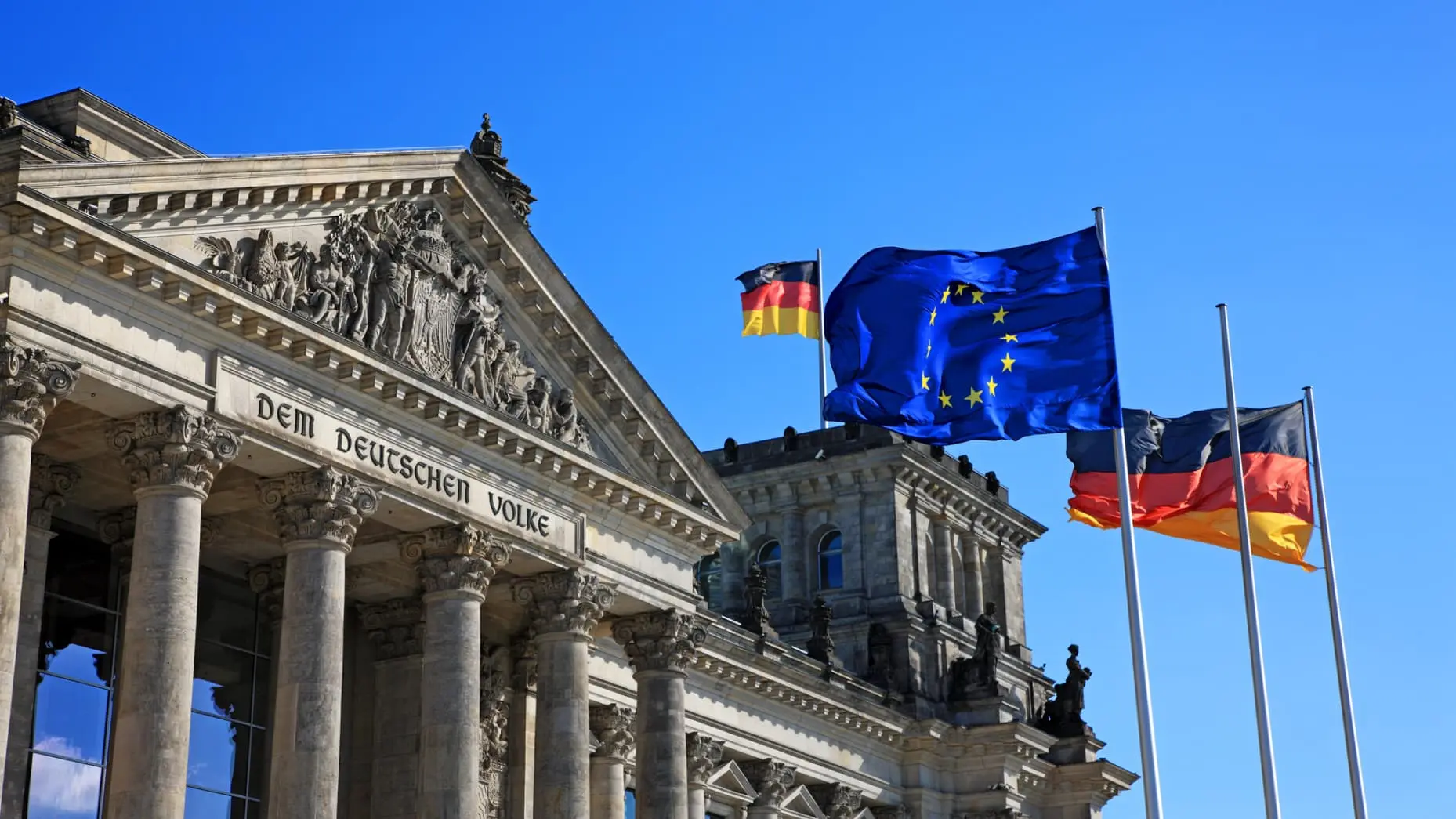
Germany Unleashed: Charting a New Course in a Turbulent World
Germany Unleashed: Charting a New Course in a Turbulent World.
RT
Ask Rio Times
17 years of Latin America reporting, on demand.
Open the full Ask Rio Times →

Meanwhile, Germany’s relationship with China has grown increasingly complex. In 2022, trade between the two nations reached a staggering 299 billion euros.

The LatAm Brief

One email, every weekday morning. What moved in Latin American markets, politics and expat life.

Yesterday’s subject line: “Petrobras to pay shareholders US$2.7 billion”

Free. We send a confirmation link first — nothing arrives until you click it. Unsubscribe with one click in any edition. If you stop opening us for 30 days we stop sending by ourselves, as we assume the interest is no longer there. See our privacy policy. We never share your email.

While this trade has been lucrative, it has also made Germany vulnerable. Any disruption in Chinese markets could spell trouble for German industries.

Germany’s “De-Risking” Strategy

Recognizing these risks, German leaders are now pushing for change. They call it “de-risking”—a careful balancing act between maintaining beneficial relationships and reducing vulnerabilities.

This strategy involves diversifying trade partners and energy sources. Germany is now looking to countries like India, Vietnam, and Indonesia as potential new markets.

These nations offer growing economies and a chance to spread economic ties more evenly. At the same time, Germany is investing heavily in renewable energy to reduce its dependence on foreign oil and gas.

This shift isn’t just about economics. It’s also about geopolitics. Germany is flexing its diplomatic muscles, increasing its presence in the Indo-Pacific region.

For the first time in over two decades, German ships have sailed through the Taiwan Strait. This move signals Germany’s intention to play a larger role in global affairs.

However, this new path is not without challenges. Germany’s economy is currently struggling, with growth expected to shrink in 2024.

Some industries, particularly the powerful auto sector, are resistant to rapid changes. They fear losing their competitive edge in crucial markets like China.

Despite these hurdles, German leaders remain committed to their new course. They believe that in the long run, a more balanced and resilient economy will benefit Germany and Europe as a whole.

This shift could potentially transform Germany from an economic giant to a true global power. The world is watching Germany’s bold experiment closely.

If successful, it could provide a blueprint for other nations seeking to navigate the complex waters of global trade and geopolitics. As Germany charts this new course, it’s not just reshaping its own future but potentially that of the entire global economic order.

This article was produced by The Rio Times’ automated AI newsroom. Editorial responsibility: Matthias Camenzind, Publisher and Editor-in-Chief. The Rio Times also runs Ask Rio Times, which answers from 100,000+ of our own articles, the daily Latin America Power Map, and prediction-market odds on elections and markets.. How we use AI · Report an error

The Rio Times · Power Map
See who really holds power in Latin America
Click to open the Power Map →

Brazil runoff date: Sunday, October 25, poll closing times and when results start · Brazil runoff polls: Flávio 51%, Lula 49% · Kalshi and Polymarket odds

Rotate for Best Experience

This report is optimized for landscape viewing. Rotate your phone for the full experience.