Geopolitical Crossroads: Latin America Faces Tough Choices Amid U.S.-China Rivalry
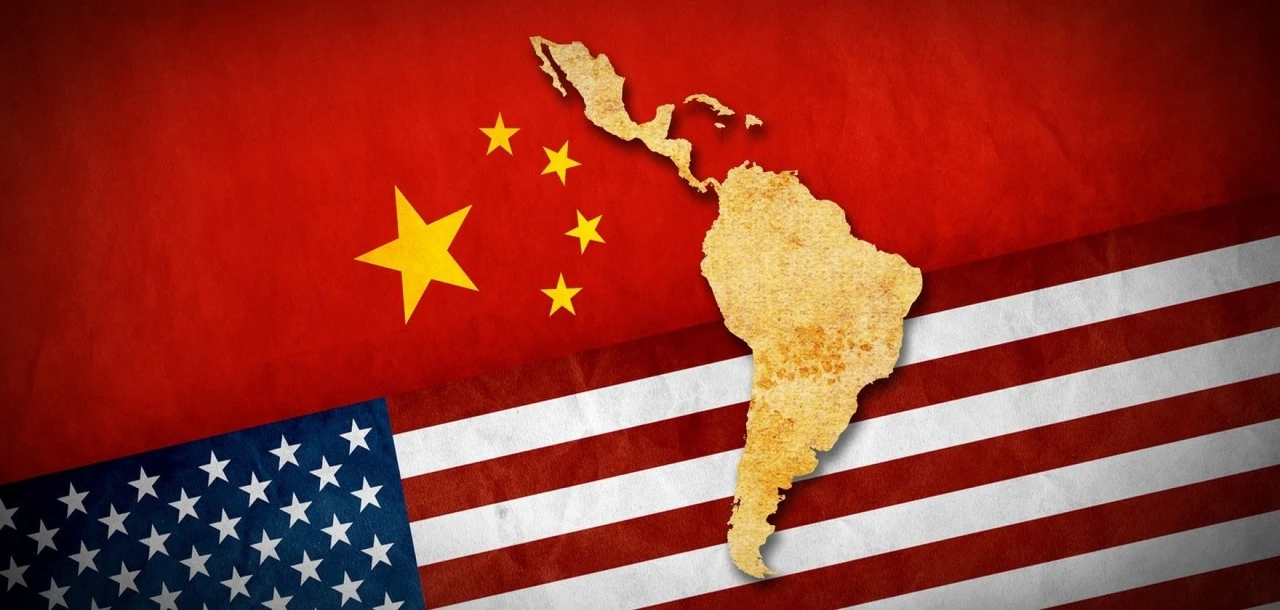
(Analysis) Latin America has become a critical stage for the intensifying rivalry between the United States and China, with both powers vying for influence in trade, infrastructure, and geopolitics.
Under Donald Trump’s presidency, the U.S. adopted an aggressive stance against China’s growing presence in the region, viewing it as a direct threat to national security and economic interests.
Meanwhile, China has steadily expanded its footprint through strategic investments and trade partnerships. China’s Belt and Road Initiative (BRI) has drawn two-thirds of Latin American countries into its orbit, offering billions in infrastructure investments.
Projects like Peru’s $3.5 billion Chancay megaport allow China to bypass North America in trade routes, solidifying its role as a dominant economic partner. Beijing has become the largest trading partner for key nations like Brazil, Chile, and Peru, overtaking the U.S. in these markets.
The Trump administration responded with tariffs on steel and aluminum imports from Mexico, accusing Chinese producers of exploiting North American trade agreements to evade duties.
Trump also threatened to reclaim control of the Panama Canal if Chinese influence there persisted. Panama, under U.S. pressure, withdrew from the BRI shortly after a visit by Secretary of State Marco Rubio.
Mexico has faced unique challenges as Chinese firms relocated production there to avoid U.S. tariffs. President Claudia Sheinbaum pledged to reduce dependency on Chinese imports by boosting domestic manufacturing.
China’s Expanding Influence in Latin America
However, Chinese investments in Mexico continue to grow, reflecting Beijing’s adaptability in navigating U.S. trade policies. China’s influence extends to resource-rich South America, where it has heavily invested in critical minerals like lithium and copper.
The global shift toward renewable energy has heightened demand for these resources, making countries like Chile and Argentina indispensable players. Despite initial resistance to China, Argentina renewed a $5 billion currency swap agreement with Beijing through 2026.
Brazil maintains strong ties with both powers but remains cautious about fully aligning with either. Experts warn that U.S. pressure tactics could drive more nations into China’s embrace.
For instance, Colombia announced plans to deepen ties with Beijing after facing U.S. threats over migration policies. Latin American nations increasingly seek balance rather than choosing sides in this geopolitical struggle.
While China offers economic opportunities without political strings, concerns about dependency persist. The U.S., meanwhile, risks losing influence unless it adopts a more cooperative approach tailored to regional priorities.
More: Brazil news in English, every day from The Rio Times.
This article was produced by The Rio Times’ automated newsroom system. How we use AI · Report an error
Read More from The Rio Times