Cruzeiro do Sul Educação Q2 Net Income Up 60.6% to US$19.8 Million
Brazil · Business
Key Facts
- —Net income R$ 100.7 million (US$ 19.8 million), up 60.6% YoY
- —Net revenue R$ 780.3 million (US$ 153.3 million), up 8.2% YoY
- —EBITDA R$ 233.5 million (US$ 45.9 million), up 16.0% YoY
- —EBITDA margin 29.9% in Q2 2026
- —Net margin 12.9%, up from 8.7% a year earlier
- —Student base 554,000, down 5.4% YoY
- —Presential ticket R$ 1,042/month, up 9.4% YoY
Higher ticket prices and more medical students helped the Brazilian education company lift profit and margins.
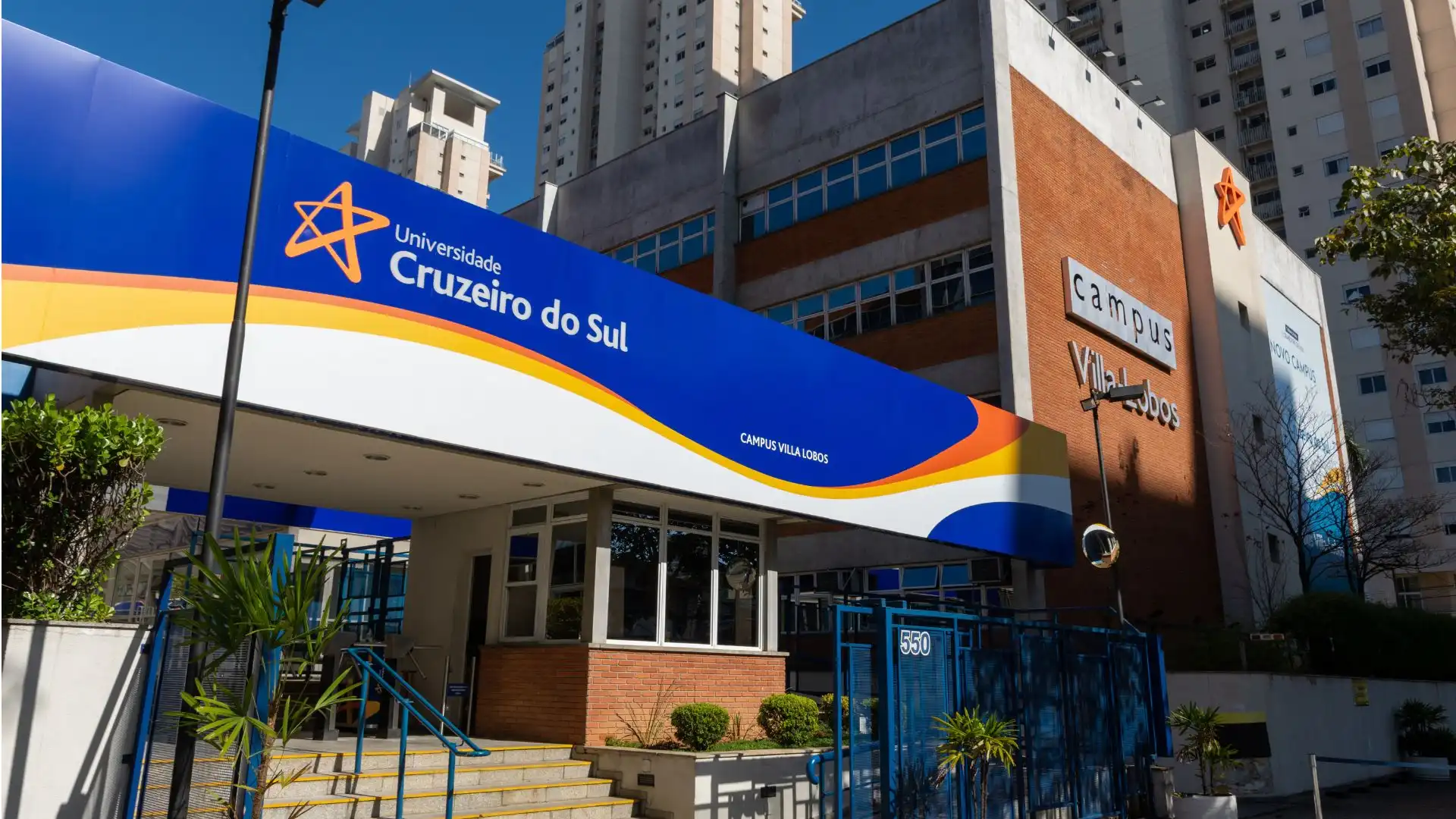
Cruzeiro do Sul Educacao Q2 results show net income of R$ 100.7 million (US$ 19.8 million). Up 60.6% year on year, according to Valor Econômico and InfoMoney.
Cruzeiro do Sul: Q2 2026 financial performance
Cruzeiro do Sul Educacional S.A. (B3: CSED3) reported Q2 2026 net income of R$ 100.7 million. Up 60.6% from the same period last year, as per Valor Econômico and InfoMoney.
Net revenue reached R$ 780.3 million, an 8.2% increase year on year, the outlets said. EBITDA totaled R$ 233.5 million, up 16.0% year on year, with an EBITDA margin of 29.9%, InfoMoney reported.
The net margin expanded to 12.9% from 8.7% a year earlier, according to Eu Quero Investir. The company has a diversified portfolio that includes undergraduate, graduate, and technical programs.
With a strong presence in the São Paulo state and other regions of Brazil, as noted by Valor Econômico. Revenue growth was supported by a favorable pricing environment and a continued shift toward higher-ticket presential courses, particularly in the health sciences.
Operating expenses remained disciplined, allowing the company to convert revenue growth into disproportionate profit expansion. The results reflect a consistent trend of margin recovery observed over the past few quarters, as highlighted by analysts covering the stock.
Operational drivers and ticket metrics
The company attributed the profit growth to higher revenue from medicine and health-related courses and a larger veteran student base in the presential segment. Valor Econômico reported.
The total student base was 554,000, down 5.4% over 12 months, according to Eu Quero Investir. The reduction in the student base was largely driven by a deliberate contraction in the digital segment.
Where the company has been focusing on higher-quality students and lower dropout rates. The average presential tuition ticket was R$ 1,042 per month, up 9.4% year on year.
While the digital ticket was R$ 238 per month, up 12.8%, the same source said. Ticket increases in both segments reflect the company’s pricing power, especially in medicine and health-related programs where demand remains strong.
The veteran student base, referring to continuing students beyond their first year. Grew in the presential segment, contributing to better occupancy and retention metrics.
Management has been actively managing the mix of students, prioritizing programs with higher lifetime value and lower credit risk. The stabilization of the student base in presential courses is seen as a positive signal.
As it indicates sustained demand for on-campus education in certain fields.
Credit quality and provisions
Eu Quero Investir said the provision for expected credit losses (PECLD) fell to 8.0% of net revenue from 10.9% a year earlier. The improvement in credit quality helped lift margins, the outlet noted.
Lower delinquency rates, particularly in the presential segment and among veteran students, contributed to the reduced provisions. The company has implemented stricter credit approval processes and enhanced collection mechanisms, which have helped mitigate credit risk.
The reduction in PECLD is a key driver of the net margin expansion, as provisions directly impact the bottom line. According to Visno Invest, the company’s focus on-credit quality has been a central part of its strategy.
Especially after the pandemic-related disruptions in the education sector. The company’s balance sheet remains stable, with no material changes in leverage reported in the available disclosures.
Improved cash conversion from lower credit losses also supports working capital management and potential investments in growth areas.
Context and market reaction
The Q2 results were released on August 11, 2026, and reported by Valor Econômico and InfoMoney on the same day. Cruzeiro do Sul is one of Brazil’s largest for-profit education groups, operating universities and digital learning platforms.
The company’s shares trade on B3 under the ticker CSED3. Analysts at Eu Quero Investir noted that the results were in line with or slightly above market expectations.
Particularly due to the stronger margin performance. The stock has been under pressure in recent months due to sector-wide concerns about competition and regulatory changes.
But these results may help reassure investors. Valor Econômico pointed out that the education sector in Brazil has been consolidating, with larger players gaining scale and efficiency.
The company’s focus on medicine courses is part of a broader strategy to expand in high-demand, high-margin programs. Market participants will watch for any commentary from management on the upcoming renewal of the government’s student financing program (FIES).
Which has historically affected the sector.
Outlook and investor considerations
The company did not provide explicit guidance for the remainder of 2026 in the available reports. Analysts at Eu Quero Investir highlighted the margin expansion and lower credit losses as key positives.
Investors may watch for further developments in the company’s medicine course expansion. As it recently registered a 14.6% increase in medical school spots, according to Visno Invest.
The company is expected to continue investing in infrastructure to support the growth of health-related programs. Which carry higher tuition and lower default risk.
Seasonality typically affects the third quarter, with lower enrollment volumes, but management is likely to focus on retention and collection metrics. Potential risks include regulatory changes in the education sector, such as stricter quality assessments or changes to funding models.
The company’s ability to sustain double-digit profit growth will depend on maintaining occupancy rates and managing credit costs effectively. Given the current momentum, some analysts may revise their earnings estimates upward.
But any sustained rally in the stock would require a broader improvement in sector sentiment.
More: Brazil news in English, every day from The Rio Times.
Frequently Asked Questions
What is Cruzeiro do Sul Educacao’s net income for Q2 2026?
Cruzeiro do Sul Educacao reported net income of R$ 100.7 million (about US$ 19.8 million) for Q2 2026. Up 60.6% from a year earlier.
How did the company’s revenue perform in Q2 2026?
Net revenue rose 8.2% year on year to R$ 780.3 million (about US$ 153.3 million), according to Valor Econômico.
What drove the profit increase?
The company cited higher revenue from medicine and health-related courses and a larger veteran student base in the presential segment.
What is the EBITDA margin for Q2 2026?
EBITDA margin was 29.9%, with EBITDA totaling R$ 233.5 million (about US$ 45.9 million), up 16.0% year on year.
Sources: Valor Econômico, InfoMoney, Eu Quero Investir, Visno Invest
This article was produced by The Rio Times’ automated newsroom system. How we use AI · Report an error
Read More from The Rio Times