Brazil Raises Mandatory Ethanol Blend in Gasoline to 32% in Temporary Move
Brazil · Energy
Key Facts
- —Decision body CNPE approved on July 14, 2026
- —Prior blend 30% anhydrous ethanol
- —New blend 32% (E32)
- —Effective date August 1, 2026
- —Duration 180 days, subject to extension
- —Price effect MME estimates BRL 0.03/liter lower
- —Import reduction about 900 million liters/year less gasoline
The 180-day measure, effective August 1, 2026, aims to cut fuel imports and lift domestic ethanol demand.
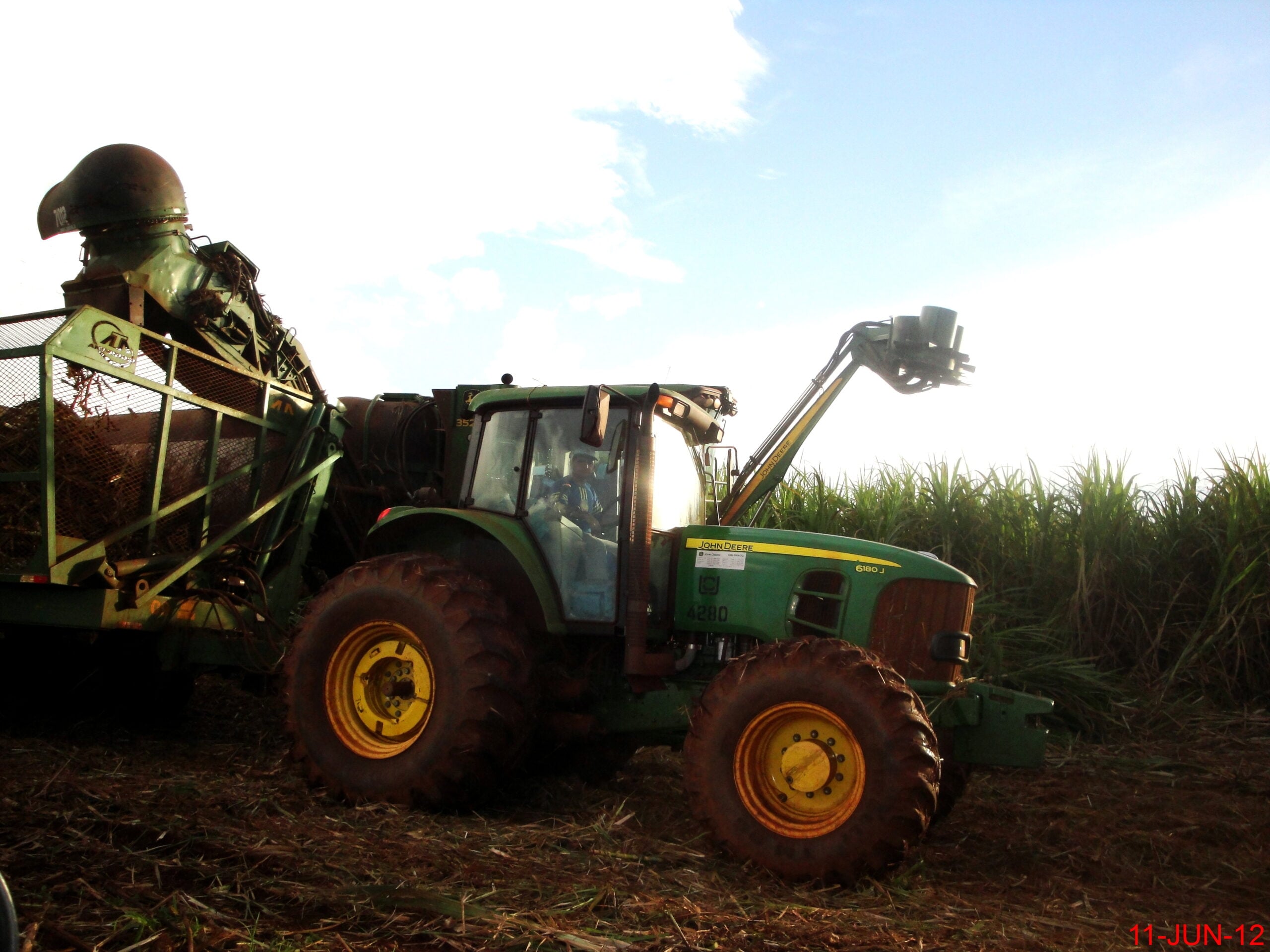
Brazil’s National Energy Policy Council (CNPE) approved a temporary increase in the mandatory anhydrous ethanol blend in gasoline to 32% from 30%. Effective August 1, 2026, for an initial 180 days.
The ethanol blend increase aims to reduce reliance on imported fuel and support local ethanol producers.
Ethanol blend increase approved by CNPE
The CNPE, the government body that sets fuel blending rules, approved the temporary increase on July 14, 2026, according to multiple reports. The decision raises the mandatory anhydrous ethanol content in common gasoline (gasolina C) from 30% to 32%, a blend known as E32.
Premium gasoline remains at 25% ethanol and was not included in the change, one source said. The measure takes effect on August 1, 2026, and will remain in force for 180 days.
After which it may be extended or revised. Reports indicate the decision was taken at a regular CNPE meeting.
With the Ministry of Mines and Energy (MME) playing a central role in the proposal. The approval follows a period of analysis by technical staff, who evaluated feedstock availability and fuel price dynamics.
The CNPE is composed of representatives from several ministries, including Mines and Energy, Finance. And Environment, as well as industry and academic members, according to its statutory composition.
The meeting agenda was released publicly ahead of the session. And the ethanol blend item was listed as a priority, according to the reports reviewed.
Rationale: cut imports, support domestic supply
The stated rationale is to reduce dependence on imported fossil fuels and capitalize on ample domestic ethanol supply amid higher international oil prices. According to the Energy Ministry (MME).
The MME estimates the measure could avoid importing about 900 million liters of gasoline per year, according to the same reports. Brazil has seen record sugarcane harvests in recent seasons, which has kept ethanol production high and prices competitive.
The move is also intended to provide a stable outlet for the domestic ethanol industry. Which has faced margin pressure due to excess supply.
Government officials have emphasized that the temporary nature of the measure allows for adjustment if market conditions shift. The policy aligns with Brazil’s long-standing biofuel strategy, which has gradually increased ethanol content since the early 2000s.
Brazil is the world’s second-largest ethanol producer, after the United States, and the largest exporter, according to industry data. The sugarcane sector has invested heavily in logistics and storage.
Which supports the higher blend without major infrastructure bottlenecks, according to a sector analysis.
Impact on fuel prices and consumers
The MME projects a consumer pump price reduction of about BRL 0.03 per liter, according to ministry statements cited in reports. That figure is an estimate, not a confirmed market outcome, and no post-implementation price data was immediately available.
Some analysts note the actual benefit depends on ethanol prices and logistics, but such views are not official forecasts. Ethanol is typically cheaper than gasoline on an energy-equivalent basis, though local taxes and distribution costs can offset savings.
Consumer groups have welcomed the move but caution that prices could fluctuate with the global oil market and currency movements. The National Agency for Petroleum, Natural Gas and Biofuels (ANP) is responsible for overseeing fuel quality and price monitoring.
And it has not yet commented on the measure. Fuel distributors are expected to adjust their blending operations before the effective date, according to industry sources.
Agribusiness implications and sugar market
The higher blend is expected to increase demand for ethanol, strengthening Brazil’s sugar-ethanol supply chain, according to market commentary. One trading report noted sugar prices rose to a ten-month high partly because higher ethanol blending could reduce sugar availability.
The policy continues a long-running trend from E22 in 1993 to E27 in 2015, according to a sector analysis. Ethanol mills can shift production between sugar and ethanol, so higher ethanol demand may divert cane from sugar output.
The sugar-ethanol sector is a major employer in rural Brazil, particularly in São Paulo and Goiás states. Mill associations have generally supported the blend increase, viewing it as a way to clear inventories ahead of the next harvest.
The sugarcane harvest in the center-south region, which accounts for about 90% of national production. Has been progressing at a faster pace than last year, according to industry data.
Ethanol stocks at mills were reported to be above the five-year average. Supporting the feasibility of the higher blend, according to a market analyst.
Technical concerns and vehicle compatibility
Some industry experts argue the E32 blend is technically manageable for the existing fleet. But that is an industry view rather than an official safety ruling.
However, concerns have been raised about older vehicles, with some reports advising owners to check compatibility, though no official prohibition was cited. Brazil’s flex-fuel vehicles, which represent the majority of the car fleet, can operate on any ethanol-gasoline mixture.
Vehicles without flex-fuel capability, including many imported models, may require component adjustments to handle the higher ethanol content. The National Traffic Department (Denatran) has not issued any formal guidance, according to the reports reviewed.
Automakers have stated that most cars produced after 2015 are compatible with E32, but older models may need reviews. The Brazilian Vehicle Manufacturers Association (Anfavea) has not yet issued a public statement.
But its technical committee is analyzing the implications, according to a source. Some motorcycle manufacturers have expressed caution, as two-wheelers often have different fuel system specifications, according to an industry newsletter.
More: Brazil news in English, every day from The Rio Times.
Frequently Asked Questions
What does E32 mean for drivers?
E32 means common gasoline will contain 32% anhydrous ethanol by volume, up from 30%. Most modern flex-fuel vehicles can handle this blend, but owners of older cars should consult manufacturer guidance.
Is the 32% blend permanent?
No, the CNPE approved it for an initial 180 days starting August 1, 2026. The measure could be extended or made permanent, but that is not yet confirmed.
Does the change affect all types of gasoline?
No, the mandate applies to common gasoline (gasolina C). Premium gasoline remains at 25% ethanol and is not affected, according to one source.
How will this affect fuel prices?
The Energy Ministry estimates a reduction of about BRL 0.03 per liter at the pump. However, actual price changes depend on market conditions and are not guaranteed.
Sources: Demarest, Olhar Digital, Gazeta do Povo, Poder360, AutoCarPro, TradingView, MME
This article was produced by The Rio Times’ automated newsroom system. How we use AI · Report an error
Read More from The Rio Times