Brazil Farm Judicial Recoveries Hit a First-Half Record
Business: São Paulo
Key Facts
—Record. Court-supervised recoveries (recuperações judiciais) in Brazilian agribusiness reached a first-half record in 2026.
—Figure. Farmers in recovery totaled 1,263 registered entities (CNPJs) at the end of the first half, up 66% year-on-year, per the Monitor RGF-Bizdoc report.
—Whole chain. Including inputs, processing and trading, the agribusiness total reached 1,575 CNPJs, about 20% of all recoveries in Brazil.
—Soy. The soybean chain is the hardest hit, with 589 producers in recovery, nearly half the farm segment.
—National context. Brazil set an all-time record in 2025 with 2,466 companies filing, agribusiness alone at 1,990, according to Serasa Experian.
Court-supervised judicial recoveries in Brazil’s agribusiness hit a first-half record in 2026, with farmers in the process up 66% year-on-year as a cash squeeze spreads through the soybean chain.
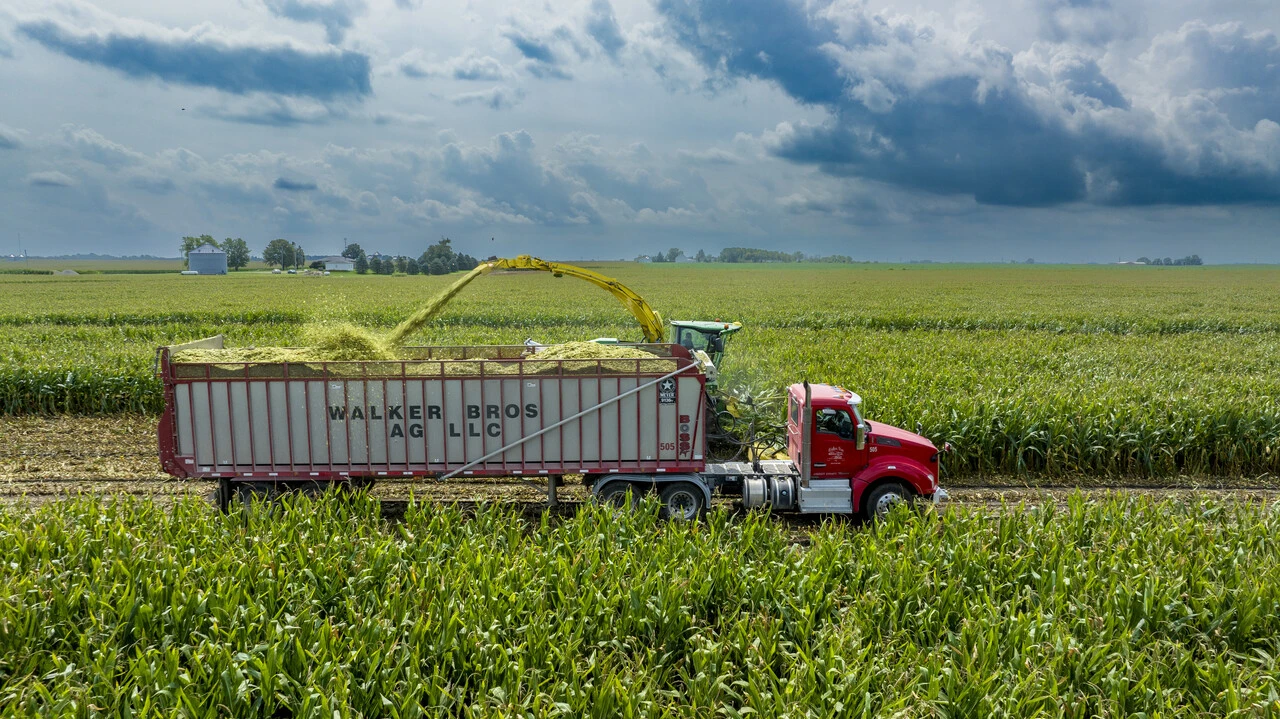
A Record Half-Year on the Farm
By the end of the first half of 2026, 1,263 farming entities were in court-supervised recovery, a jump of 66% from the same point a year earlier and 21.4% above the end of 2025, according to the Monitor RGF-Bizdoc report cited by Globo Rural.
Recuperação judicial is Brazil’s equivalent of Chapter 11 bankruptcy protection, allowing a company to renegotiate debts under court supervision while continuing to operate.
Counting the wider chain, inputs, agro-industry and trading, the total reaches 1,575 CNPJs, about 20% of all recoveries in the country. The report puts the sector’s rate at roughly six times the national average.
For a foreign reader, a CNPJ is Brazil’s national registry number for legal entities, essentially a tax ID that identifies each business. When reports count CNPJs, they are counting individual registered firms, not necessarily distinct owners, so one farming family may hold multiple CNPJs across different plots or operations.
The significance of this acceleration goes beyond the farm gate. Agribusiness has been the engine of Brazil’s economy for over a decade, consistently generating the trade surpluses that stabilize the national currency and fund public spending. A sustained rise in court-supervised recoveries signals that the sector’s traditional resilience is being tested in ways not seen in recent memory.
Soy at the Center
The soybean chain is the most affected. By the end of the first half, 589 soy producers were in recovery, close to half the farm segment and a rise of about 27% from the end of 2025.
Analysts link the strain to two consecutive harvests sold below production cost, accumulated debt and thin margins in the 2025/26 cycle that left little room to repay loans.
The paradox is stark: Brazil is harvesting large crops even as growers run short of cash, a sign that strong output has not translated into healthy balance sheets.
This disconnect between volume and profitability is not new to commodity markets, but its intensity here matters. Soybeans are Brazil’s single most valuable export, and the sector’s financial health directly influences rural employment, machinery sales, and the credit appetite of banks that lend against future harvests. When the dominant crop struggles, the effects ripple outward quickly.
Live Company IntelligenceSLC Agrícola S.A — the full investor dossier
Valuation & profitability
Price & risk
$12.5852-wk high
$19.48
Revenue trend · 6y
Ownership
Dividend
From the Farm Gate Outward
The distress is spreading beyond the fields. Fertilizer and crop-protection dealers lead the non-farm cases with 48 active recoveries, followed by feed makers and farm-machinery dealers, the report said.
Beef cattle ranching is the second-largest farm segment in the ranking, while dairy saw one of the sharpest jumps, with filings among milk producers rising well over 200% to 50 cases.
As bank credit tightens, risk is shifting from producers to input dealers, trading houses and capital markets that increasingly finance the sector.
This shift in who carries the risk is a structural change worth watching. In past cycles, large banks absorbed most of the pain when farmers could not pay. Today, a growing share of farm financing comes from input suppliers offering credit in the form of seeds and fertilizer, and from capital markets through instruments like agribusiness receivables certificates. That means losses can spread faster and touch investors who may not have direct exposure to farming.
Why a Strong Harvest Ends in Court
The wider picture is one of expensive credit meeting weak farm-gate prices. High interest rates raise the cost of carrying debt, while global grain prices have left many growers selling below cost.
The inclusion of micro and small rural producers in the official statistics has also lifted the numbers, as more of them turn to judicial recovery to protect assets rather than default outright.
Serasa Experian, which tracks the broader trend, reported that Brazil set an all-time record in 2025 with 2,466 companies entering recovery, agribusiness alone accounting for 1,990, the highest in its series.
For context, Serasa Experian is one of Brazil’s largest credit bureaus, and its historical series on judicial recoveries is widely treated as the benchmark for corporate distress in the country. The fact that agribusiness alone represented roughly four-fifths of all filings in 2025 underscores how concentrated the current stress is in one sector.
Where It Is Concentrated and What Comes Next
Geographically, the South and Center-West lead, with 392 and 391 cases respectively. Mato Grosso tops the states with 196 entities in recovery, just ahead of Rio Grande do Sul at 194.
The report’s coordinator warned that the peak has not arrived, projecting further deterioration through the second half of 2026 and into 2027 as the effects of squeezed 2024/25 and 2025/26 margins work through.
Possible relief, a gradual fall in the Selic policy rate and reduced US tariffs on some Brazilian goods, is not expected to be felt until 2027 or 2028, leaving the sector exposed in the near term.
The Selic rate is Brazil’s benchmark interest rate, set by the Central Bank to control inflation. Because most farm loans are indexed to it, even a modest cut can meaningfully lower debt-service costs across the sector. The question now is whether the Central Bank will have enough room to ease policy before more producers exhaust their cash reserves.
What to watch next is whether the recovery wave spreads further into mid-sized processors and regional trading houses that sit between the farm and the export terminal. Another open question is how international grain buyers will respond if Brazilian suppliers begin to struggle with delivery commitments, and whether that could reshape sourcing patterns in key markets like China.
Frequently Asked Questions
How much did Brazil’s agribusiness judicial recoveries rise?
Farmers in court-supervised recovery reached 1,263 registered entities by the end of the first half of 2026, up 66% year-on-year, a first-half record, according to the Monitor RGF-Bizdoc report cited by Globo Rural.
Which part of agribusiness is worst affected?
The soybean chain, with 589 producers in recovery, nearly half the farm segment, driven by two harvests sold below production cost and thin margins in the 2025/26 cycle.
Is this part of a wider trend in Brazil?
Yes. Serasa Experian reported that Brazil set an all-time record in 2025 with 2,466 companies entering recovery, agribusiness alone at 1,990, and the pace has continued into 2026.
Sources
Connected Coverage
More on Brazil’s agribusiness and economy from The Rio Times.
Sources: Globo Rural; aRede; Serasa Experian.
This article was produced by The Rio Times’ automated newsroom system. How we use AI · Report an error
Read More from The Rio Times