Beyond the Headlines: The New Economic Powerhouses of Africa
In 2025, Africa is redefining its destiny. According to the African Development Bank, the continent’s real GDP is expected to grow by 4.1%—well above the 3.3% global average—driven by structural reforms, moderating inflation and surging investment [1].
In Lagos, 29-year-old software entrepreneur Abiola Adebayo beams as her fintech platform processes cross-border payments from Dakar to Dar es Salaam in minutes—a feat enabled by the African Continental Free Trade Area’s removal of 97% of intra-African tariffs [2].
Urban centres now house 40% of Africa’s 1.5 billion people, and with the population set to swell to 2.5 billion by 2050, youthful energy is powering a new wave of consumption, innovation and growth [3].
Ethiopia: Hydropower and Industrial Leap
Ethiopia is on track for 6.6% GDP growth in 2025—one of the fastest rates globally—according to the IMF’s October 2024 Regional Economic Outlook for Sub-Saharan Africa [4].
While agriculture still underpins 40% of GDP, led by coffee exports, the $4.8 billion Grand Ethiopian Renaissance Dam (GERD) began partial operations in 2022 and will ultimately generate 5.15 GW of hydroelectric capacity for export across East Africa [5].
The Hawassa Industrial Park, employing over 28 000 workers in textiles and leather, exemplifies Addis Ababa’s diversification drive [6].
Yet tensions in Oromia and Tigray—and persistent reliance on rain-fed farming—pose significant vulnerabilities that demand careful political and environmental management [4].

Rwanda: Tech Innovation Meets Stability
Three decades after the 1994 genocide, Rwanda’s economy is forecast to expand by 7.1% in 2025, per the Ministry of Finance’s latest projections [7].
Kigali Innovation City—a $2 billion smart-city development—will host universities, research centres and incubators, create 50 000 jobs and attract $300 million in annual foreign direct investment [8].
Zipline’s drone network now delivers 75% of Rwanda’s blood supplies, cutting delivery times by 61% and reducing waste by 67% [9].
With 70% of the workforce still in agriculture, maintaining pro-business reforms and deepening regional trade links will be critical to sustaining Kigali’s momentum.
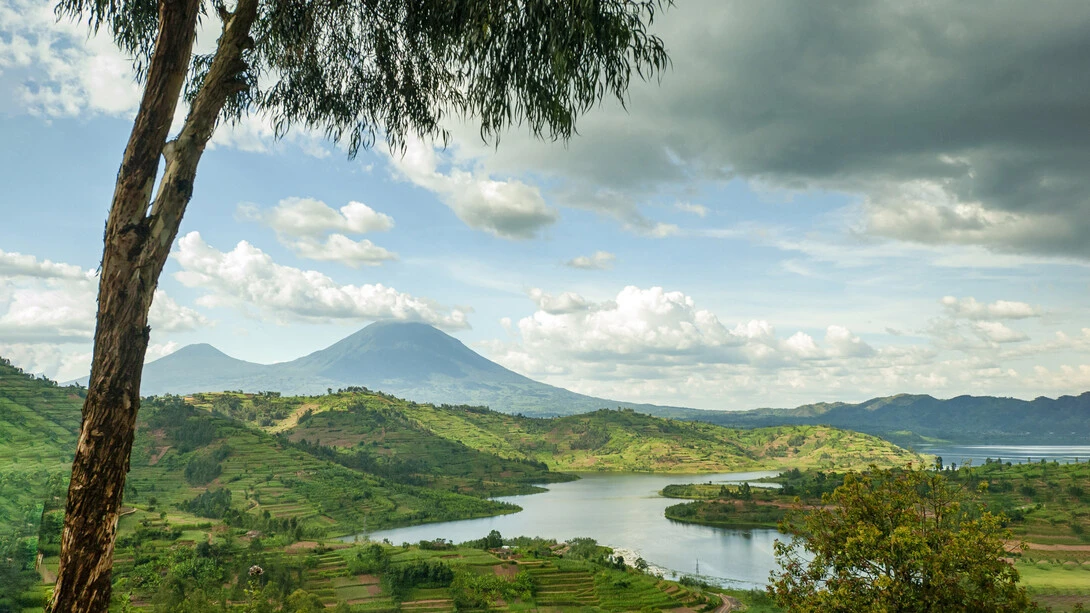
Côte d’Ivoire: From Cocoa to Connectivity
Projected to grow by 6.3% in 2025, Côte d’Ivoire is diversifying beyond its role as the world’s top cocoa producer (42% of global output in 2023) [10].
Abidjan has broken ground on a €1.5 billion metro line—20 stations over 37 km—that will carry 500 000 passengers daily by 2028 [11].
Expanded ports and highway upgrades reinforce the city’s role as West Africa’s principal gateway, while a proposed $500 million green finance fund aims to shield cocoa farmers from climate volatility [12].
Nevertheless, fiscal deficits and erratic rainfall underscore the need for prudent macroeconomic and environmental policies.
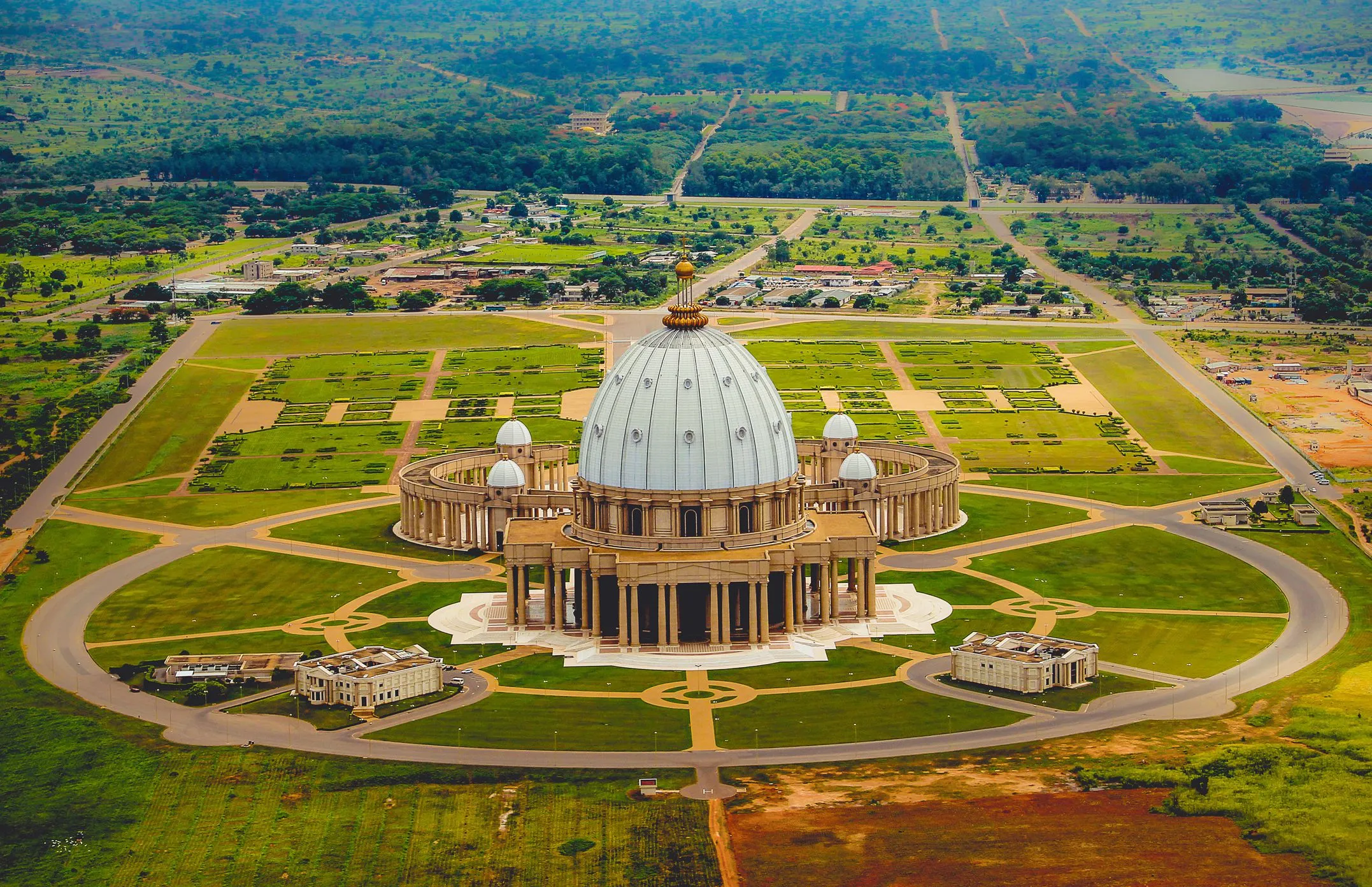
Tanzania: Tourism and Trade Titan
Tanzania’s GDP is forecast to rise by 6.0% in 2025, fuelled by tourism, mining and infrastructure investment [13].
Travel receipts jumped to $3.37 billion in 2023—a 33.5% year-on-year increase—as the Serengeti, Kilimanjaro and Zanzibar drew record visitors [14].
The 541 km Standard Gauge Railway—completed in August 2024 at a cost of $3.1 billion—now links Dar es Salaam with Morogoro, opening corridors toward Tanga and Mwanza [15].
Finalising a $42 billion LNG export project by mid-2025 would unlock 47 trillion cubic feet of gas, yet ensuring rural communities benefit from these gains and safeguarding national parks remain pressing challenges.
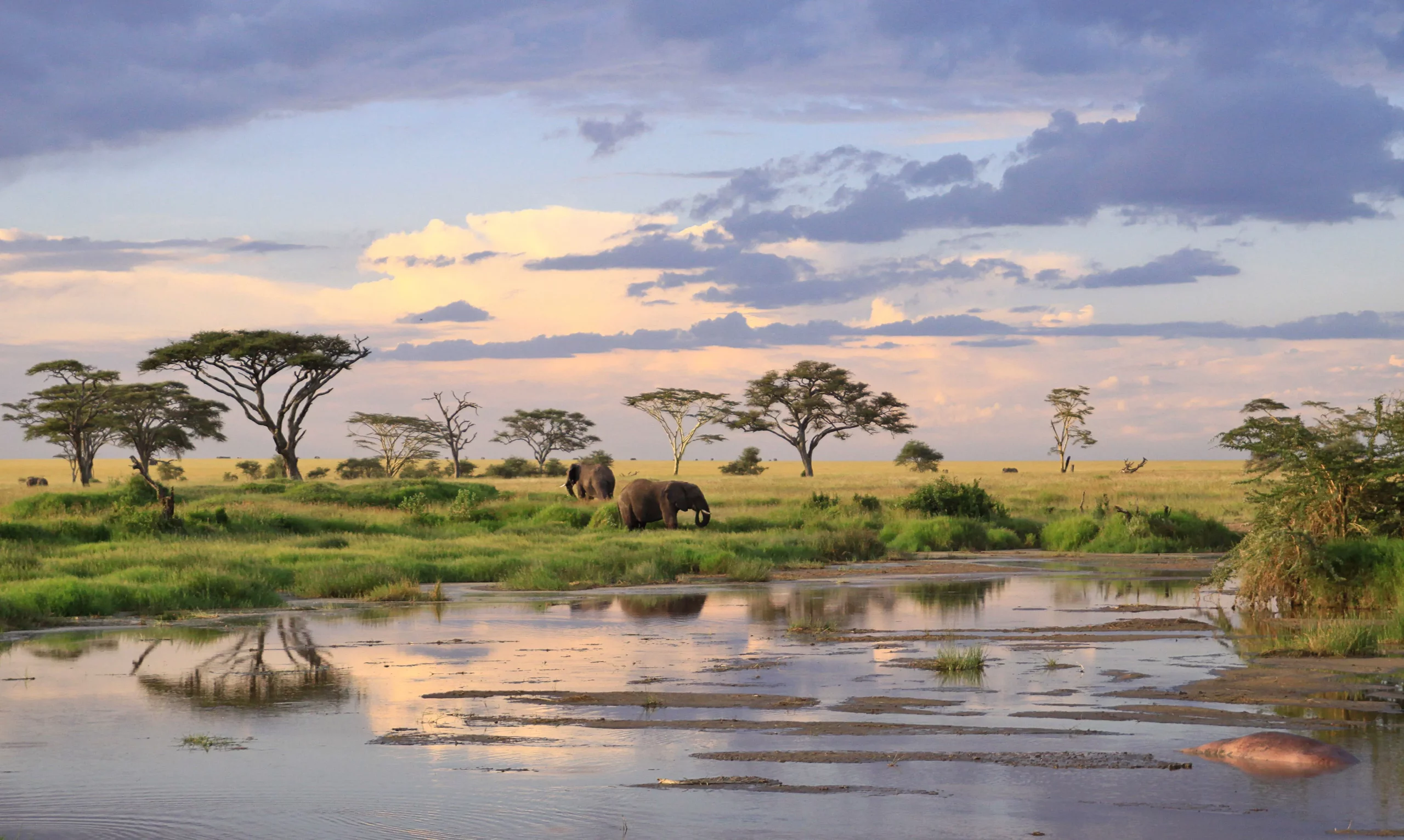
Senegal: Energy and Economic Ambition
Senegal is poised for an 8.4% expansion in 2025, led by its nascent oil and gas sector, according to the IMF’s October 2024 outlook [16].
First oil from the Sangomar offshore field began in mid-2024, yielding 16.9 million barrels through year-end and targeting 100 000 bpd in 2025 [17].
The Greater Tortue Ahmeyim LNG project will add 2.5 million tpa of LNG annually, while DP World’s $1.1 billion Port of Ndayane will handle 1.2 million TEUs, cementing Dakar’s logistics credentials [18].
An audit-revealed budget deficit equal to 9% of GDP has already spurred fiscal reforms aimed at unlocking $30 billion in investment over the next five years [17].
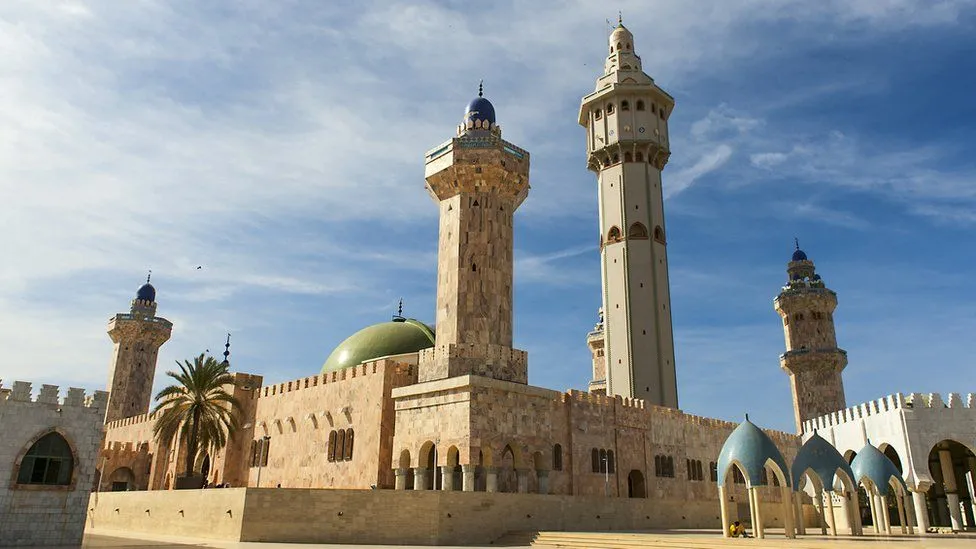
Risks and Outlook
Africa’s renaissance is neither guaranteed nor risk-free. Climate change threatens two-thirds of the workforce in agriculture with more frequent droughts and floods, while public debt averaging 60% of GDP demands fiscal restraint [1].
Pockets of political instability—from the Sahel to the Horn—require vigilant governance.
Yet multilateral lenders have pledged $30 billion in climate-smart financing through 2027, and the African Union’s Agenda 2063 aims to double intra-African trade to $1 trillion by 2030, potentially lifting tens of millions out of poverty [19].
For policymakers, investors and entrepreneurs, the message is clear: from hydropower dams and drone networks to metros and LNG terminals, Africa’s infrastructure and innovation are reshaping global markets.
As Kenyan climate activist Vanessa Kachingwe observes, “Our continent’s future is ours to build—bold, inclusive and green.” This is Africa’s defining story of our time.
References
1. African Development Bank Group, “Africa’s Outlook 2025,” Mar. 2025.
2. A. Davies, “AfCFTA’s First Year: A Game-Changer for African Trade,” *Financial Times*, Dec. 2024.
3. UNECA, “As Africa’s Population Crosses 1.5 Billion,” Nov. 2024.
4. IMF, *Regional Economic Outlook: Sub-Saharan Africa*, Oct. 2024.
5. Cities Alliance, *Africa’s Urbanisation Dynamics 2025*, Jan. 2025.
6. Ethiopia Investment Commission, “Hawassa Industrial Park Profile,” 2024.
7. Rwanda Ministry of Finance, “Economic Performance Forecast 2025,” Jan. 2025.
8. World Bank, “Kigali Innovation City Master Plan,” 2024.
9. Zipline, “Annual Impact Report 2024.”
10. IMF, *Regional Economic Outlook: Sub-Saharan Africa*, Apr. 2024.
11. Bouygues Group, “Metro d’Abidjan Project Overview,” 2023.
12. African Development Bank, “Côte d’Ivoire Country Focus 2024.”
13. World Bank, “Africa’s Pulse,” Oct. 2024.
14. Tanzania Tourism Board, “Annual Tourism Statistics 2023.”
15. African Railways Review, “Standard Gauge Railway Launch Report,” Sep. 2024.
16. IMF, *Regional Economic Outlook: Sub-Saharan Africa*, Oct. 2024.
17. Senegal Ministry of Petroleum, “Sangomar Field Update,” Dec. 2024.
18. DP World, “Port of Ndayane Factsheet,” 2024.
19. African Union, *Agenda 2063 Mid-Term Report*, Feb. 2025.
More: Ethiopia news in English, every day from The Rio Times.
This article was produced by The Rio Times’ automated newsroom system. How we use AI · Report an error · Editorial responsibility: Matthias Camenzind, Editor-in-Chief
Part of our ongoing coverage
Africa: The New Scramble — the great-power contest over the continent.
Horn of Africa and the Red Sea
- Horn of Africa 2026: Why It Matters and Who Backs Whom
- Ethiopia’s Neighbors Explained, Ports, Eritrea, Somalia
- Eritrea Explained 2026, a Red Sea Country Guide
- Somalia Explained: Al-Shabaab, Somaliland, the Ports and the Fight Over a 2026 Vote