Africa Intelligence Brief — Wednesday, July 1, 2026
Executive Summary
Africa Intelligence Brief for Wednesday: the continent opened a new half-year and, in East Africa, a new fiscal year, as fresh budgets took effect. But the sharper current ran through politics, as Nigeria moved to deregister its main opposition ahead of a 2027 vote.
This Wednesday opened the second half of the year, and in East Africa a new fiscal year, as fresh budgets took effect from Nairobi to Kampala. But the sharper current ran through the politics, as Nigeria moved to deregister its main opposition ahead of a 2027 vote.
From Abuja to Ouagadougou, the state was busy building its finances and, in several places, narrowing the room for dissent. From the treasury to the campaign trail, the day’s theme was a single one: a continent turning the page into a new season.
Today’s Africa Intelligence Brief covers the continent’s politics, economy, and security. We pulled it together from major African outlets in English, French, Arabic, Portuguese, and Swahili.
Nigeria — Squeezing The Opposition
A Narrowing Field
Nigeria moved to deregister its main opposition parties this week, a step that drew alarm over the fairness of a general election due in 2027. Our reporting has shown the move follows a pattern of narrowing political space ahead of the vote, including a sweeping digital-identity law signed on democracy day that critics warn could be used to target dissent.
Critics warned the state was narrowing the political field early. The race, in their view, was being shaped before it had begun.
A Democracy Tested
The health of a democracy shows in how it treats its rivals. Removing parties from the ballot is among the gravest of moves.
The government frames the step as a matter of legal housekeeping. Its opponents see an attempt to clear the road to another term.
East Africa — The New Fiscal Year Opens
Three Divergent Bets
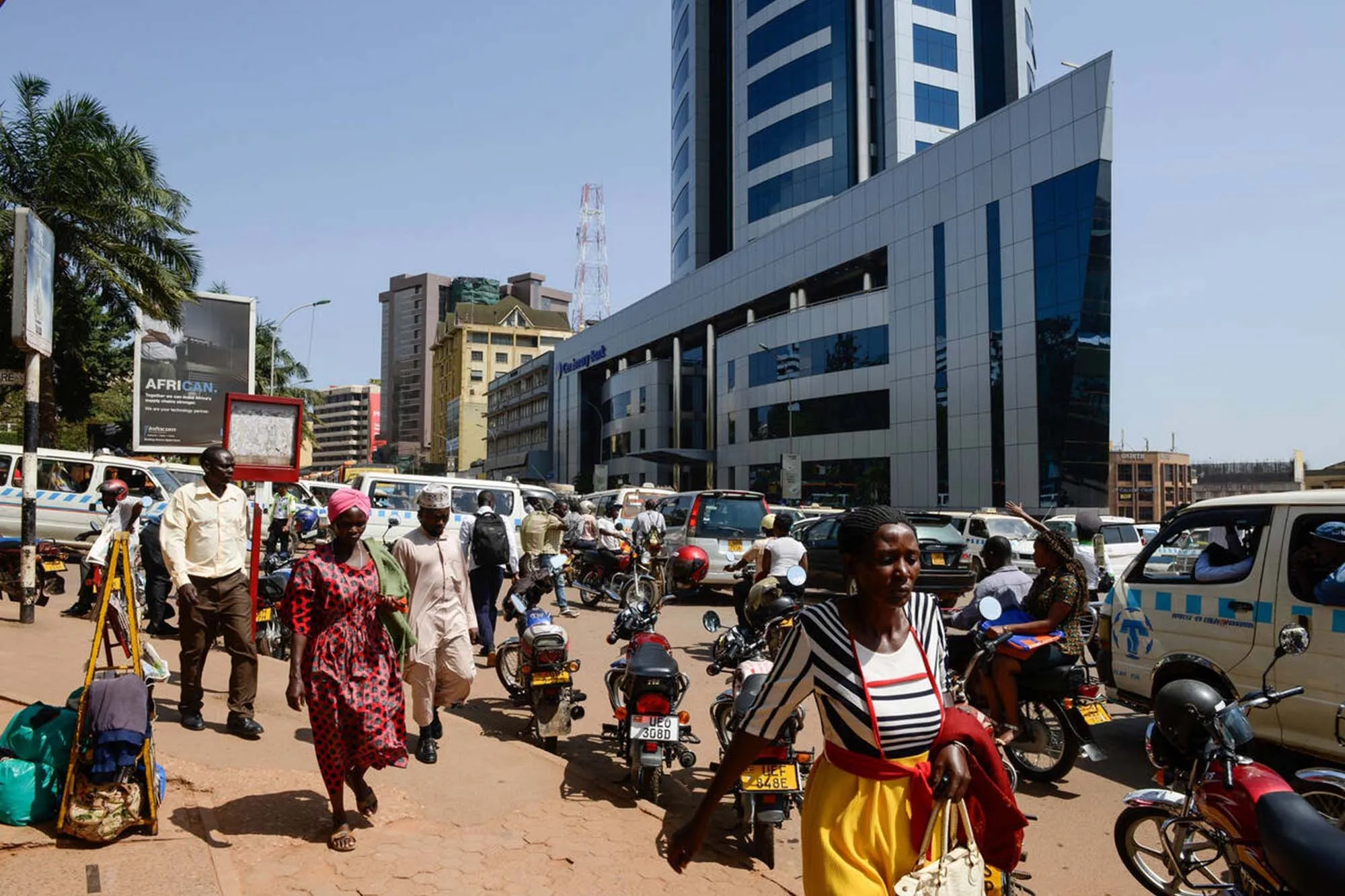
A new fiscal year opened in Kenya, Uganda, and Tanzania this Wednesday. Fresh budgets took effect across the region at once.
Each capital set out on a strikingly different path. One trimmed its hopes, one bet on oil, one on building.
Kenya Trims Its Hopes
Kenya cut its growth outlook to about 5.3 percent for the year. It blamed the drag of the distant Middle East conflict.
The budget leaned on domestic revenue and continued borrowing. Fiscal discipline sat in tension with the pressures of an election season.
Burkina Faso — Funding Its Own War
A Patriotic Levy
Burkina Faso’s junta counted a patriotic fund it uses to finance security. It had raised most of its yearly target in just six months.
The money came largely from the country’s own companies. A pair of big firms accounted for much of the total.
The Price Of Sovereignty
The fund laid bare the cost the Sahel now pays for its own defence. The break with old partners came with a bill of its own.
Sovereignty, it emerged, is not free but funded at home. The levy is the visible price of the region’s turn away from the West.
Kenya — The Opposition Under Pressure
A Tense Season
Attacks on opposition figures and disrupted rallies unsettled Kenya. Election politics for 2027 were heating up early.
The pressure raised questions about the country’s guardrails. A restless democracy was testing the strength of its own rules.
Guardrails Under Strain
Kenya has a lively opposition and a history of contested votes. The mounting friction echoes past seasons of unrest.
Whether the courts and the ballot hold will be the test. The country’s democratic habits face a demanding year ahead.
South Africa — The Factory Read
A Slow Recovery
A fresh reading of South African factory activity landed this week. It came as the country’s recovery ground slowly on.
Weak domestic demand kept the pressure on the nation’s manufacturers. A firm central-bank rate added to the strain.
Steadying, Not Surging
The economy is healing, but at a frustratingly slow pace. Reforms in power and logistics have begun to help.
Business confidence has lifted even as growth stays modest. The recovery is real, if far from a boom.
Uganda — The Oil-Fired Budget
A Double-Digit Dream
Uganda opened its fiscal year on a strikingly bold projection. It expects double-digit growth tied to the start of oil.
The long-awaited production has been promised for years. Its arrival would transform the country’s finances.
Ambition Meets Delay
The prize is real, but it has slipped again and again. Pipelines and wells have taken longer than once hoped.
The budget bets heavily on the oil finally flowing. Execution, not ambition, is now the open question.
Nigeria — The Quarter’s Borrowing Opens
A Heavy Quarter
Nigeria’s debt managers opened a fresh quarter of heavy borrowing. The money is meant to fund a wide budget deficit.
A steadier but still-fragile currency framed the effort. Stability has returned, though it remains hard-won.
Funding The State
The country leans on its domestic bond market to raise cash. Heavy borrowing crowds out spending on other priorities.
The quarter’s plan shows a state stretched to fund itself. Raising money is the quiet, constant work of governing.
The Continent — A Distant Cost
The Fuel-Cost Shadow
A far-off energy shock kept lifting fuel-import costs this week. Many African economies buy their fuel from abroad.
It is carried here as a single neutral line, a matter of prices, not war. The pressure presses on budgets across the continent.
An Edge, Not A Centre
The shock sits at the edge of the African story, not its heart. The day’s real drama was written in budgets and ballots.
Still, a high fuel price quietly makes every plan harder. It is the shared backdrop to a new half-year.
The Read
The continent turned into a new half-year on two fronts at once, busy building its finances and, in several places, narrowing the room for dissent. A new season is a mirror: a state shows what it values in what it funds and what it fears in what it moves to silence.
In East Africa a new fiscal year opened with three very different budgets, as Kenya trimmed its hopes to 5.3 percent, Uganda bet on oil, and Tanzania on building, while in Nigeria the sharper story was the move to deregister the main opposition before a 2027 vote. In Kenya too the space for the opposition seemed to shrink, and in Burkina Faso the state counted the rising price of funding its own war.
Beneath it all, a distant energy shock kept lifting fuel costs, a quiet pressure from beyond the continent’s control. The thread of the day was a watchful one: a new season shows a state’s character in what it builds and what it curbs.
What to Watch
- Today · Nigeria moves to deregister its main opposition parties, raising alarm over a 2027 vote
- Today · Kenya, Uganda, and Tanzania open a new fiscal year with three divergent budgets
- Recent · Burkina Faso’s junta tallies a patriotic levy that funds most of its yearly security target
- Today · Attacks on opposition figures mount in Kenya as 2027 election politics heat up
- Today · Uganda stakes its new budget on double-digit growth tied to the start of oil
- Today · Nigeria’s debt managers open a fresh quarter of heavy borrowing
- Today · A fresh reading of South African factory activity shows a slow recovery grinding on
- Today · A distant energy shock keeps lifting fuel-import costs across the region
This article was produced by The Rio Times’ automated newsroom system. How we use AI · Report an error · Editorial responsibility: Matthias Camenzind, Editor-in-Chief
LatAm Markets: Live Signals → — real-time movers, turnover leaders and FX across Latin America.