NICA Act Extension to 2035: New Bill Targets Nicaragua’s Gold Sector
Nicaragua · Sanctions
Key Facts
- Two words: Bill S. 5369, introduced 7 Aug 2026, still in committee.
- Gold trigger: Operating in Nicaragua’s gold sector becomes a sanctions trigger.
- Extension: Would extend NICA Act authority to 31 Dec 2035.
- Early exit: Sanctions lapse if US President certifies democratic progress.
- IPSM added: Officials of Nicaragua’s military pension fund join priority review list.
- Broad targets: New triggers for religious freedom abuses, political prosecutions, Russia/Iran aid.
- Trade measures: Bill would suspend CAFTA-DR benefits and ban new US investment.
A bipartisan bill in the US Senate would extend Nicaragua sanctions to 2035 and add gold as a specific trigger—here’s what it means for investors.
A new bipartisan bill in the US Senate could significantly expand sanctions on Nicaragua, with a particular focus on the country’s booming gold sector. The proposal—formally the Restoring Electoral Fairness and Opposition Rights through Mandates for Accountability Act, or REFORMAR Act—would extend and broaden the existing Nicaragua Investment Conditionality Act (NICA Act) through 2035, but it’s still just a bill, not yet a law.
What the Bill Does
The REFORMAR Act, introduced on 7 August 2026, would reauthorize the NICA Act and extend its sanctions authority until 31 December 2035. That’s a big deal because the current law would otherwise expire sooner—and this bill gives it a longer leash.
Senators Ted Cruz, a Texas Republican, and Tim Kaine, a Virginia Democrat, introduced it together and sent it straight to the Senate Foreign Relations Committee. That bipartisan pairing matters—it means the push to keep pressure on Managua isn’t coming from just one side of the aisle.
To avoid the 2035 end date, sanctions would lapse earlier only if the US President certifies to Congress that Nicaragua has held free and fair elections, stopped violence against civilians, and investigated protester killings. That’s a high bar, given the current political climate.
The bill also adds new sanction triggers: religious freedom abuses, politically motivated prosecutions, and providing goods or services that aid Russia or Iran. If enacted, it would also suspend Nicaragua’s CAFTA-DR trade benefits and prohibit new US investment in the country.
Gold Becomes a Prime Target
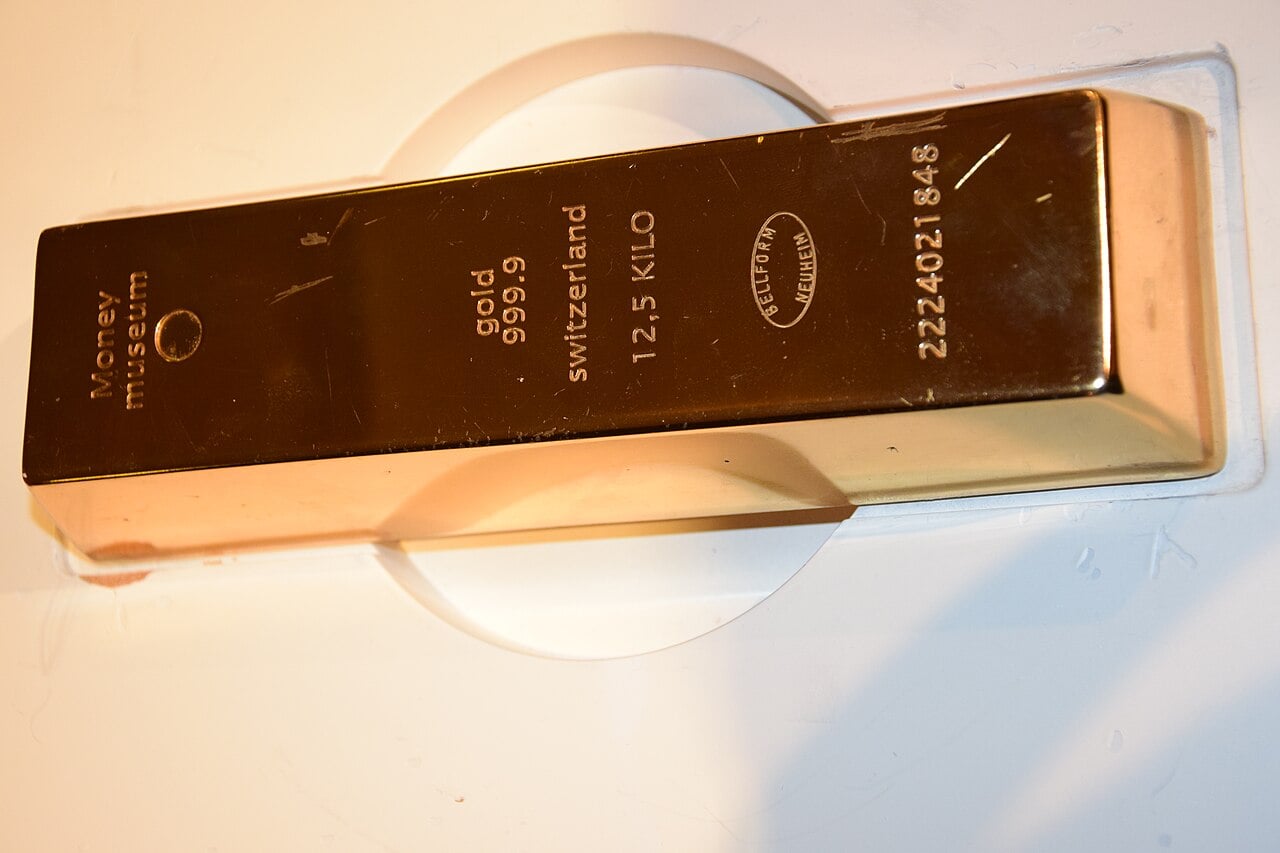
Perhaps the most striking change is making Nicaragua’s gold sector a specific sanctions trigger. The bill says that operating—or having operated—in gold mining or related activities could land you on a US sanctions list.
Gold is Nicaragua’s top export by value, bringing in nearly US$2 billion in 2025—about 22% of total exports that year, or roughly 37% if you count only merchandise goods outside the free-trade zones. The United States is the main buyer, taking about 44% of Nicaragua’s exports in the first five months of 2026.
Big miners such as Calibre Mining, Mako Mining, and Colombia-based Mineros operate in Nicaragua today—yet nothing in the text implies any of them is currently sanctioned. The bill simply hands the US government a new tool to target the sector if it chooses to use it.
In the first five months of 2026 alone, gold shipments were worth roughly US$1.35 billion. That pace shows just how central the metal has become to Nicaragua’s foreign earnings—and why Washington sees it as leverage.
Why the Military Pension Fund (IPSM) Matters
The bill also amends the RENACER Act to add officials of Nicaragua’s military pension fund, known as IPSM, to a priority list of people US authorities must review for sanctions. The IPSM is the military’s pension and holding body—basically a social-security fund for soldiers, but also a major economic player.
We don’t have exact asset figures for IPSM, and you shouldn’t invent them. But including its officials signals that US lawmakers see the military as a key pillar of the Ortega-Murillo regime’s financial structure.
By naming IPSM, the bill aims to pressure the military directly, not just the government. That could have ripple effects for anyone doing business with Nicaragua’s defense-linked entities.
How the NICA Act Mechanism Works
The NICA Act framework is all about using the US’s voting power in international financial institutions—like the IMF, World Bank, and Inter-American Development Bank—to oppose or condition loans that benefit the Nicaraguan government. This bill would keep that pressure on and add a coordinated diplomatic strategy to restrict international investment and lending.
In plain terms, the US would work to block or limit multilateral lending to Nicaragua, making it harder for the government to access cheap money. The bill also requires annual reports for three years, with the first one due within 90 days of enactment.
If you’re an investor, this means Nicaragua could face increasing financial isolation, which raises the risk for anyone with exposure to the country’s economy.
For a small, dollar-dependent economy, that kind of squeeze bites over time. Cheaper multilateral loans often underwrite roads, power, and public payrolls—so cutting them off narrows the government’s room to maneuver.
Why This Matters for Investors and Latin America
For anyone watching Latin America, this bill is a clear signal that the US is doubling down on Nicaragua—and gold is now in the crosshairs. If you hold assets in Nicaraguan mining or rely on exports to the US, the legislative risk just went up.
Gold is Nicaragua’s lifeline, and the US is its biggest buyer. A sanctions trigger on gold could disrupt supply chains, affect commodity prices regionally, and make other Latin American countries wary of similar measures.
The regional message is also important: when the US targets a sector like gold, it sends a signal to other governments in the region that certain industries could face similar scrutiny. That’s why this bill is worth watching, even if you don’t have direct ties to Nicaragua.
Also note the broader context—US Secretary of State Marco Rubio warned in July 2026 that Nicaragua should not expect relations to continue as normal after Ortega’s election-related move. This bill is part of that hardening stance.
Frequently Asked Questions
What is the NICA Act extension?
The NICA Act extension is a bill (S. 5369) that would extend and expand the Nicaragua Investment Conditionality Act of 2018, adding new sanctions triggers, including on gold, and extending the authority to 2035. It is not yet law.
Is the REFORMAR Act a law?
No. The REFORMAR Act is a bill introduced in the US Senate on 7 August 2026 and referred to the Senate Foreign Relations Committee. It has not passed either chamber or been signed by the President.
How would the bill affect gold companies in Nicaragua?
If enacted, the bill would make operating in Nicaragua’s gold sector a specific sanctions trigger, meaning US authorities could impose sanctions on entities involved in gold mining. Companies like Calibre Mining, Mako Mining, and Mineros S.A. could be at higher risk, though none are currently sanctioned.
What are the early exit conditions for the sanctions?
Sanctions would lapse before 2035 only if the US President certifies that Nicaragua has met democratic conditions, including free and fair elections, halting violence against civilians, and investigating protester killings. As of now, that seems unlikely.
Connected Coverage
Nicaragua Exit Visas for Children: What Parents Must Know in 2026
Nicaragua Presidential Term Reform Moves to Seven Years
Nicaragua Costs for Expats — a Comfortable Life on US$900–1,300 a Month
Sources: S. 5369 (REFORMAR Act), 119th Congress — official record; Congress.gov — S. 5369, Nicaragua sanctions reauthorization; Infobae: Gold and the army in US sanctions crosshairs (Chamorro analysis); 100% Noticias: US bill targets Nicaragua’s gold sector and IPSM; Mongabay: Nicaragua’s gold boom encroaches on protected land; Bloomberg Línea: Nicaragua’s gold business expands; Agrolatam: Nicaragua exports — gold, coffee and the US market 2026
This article was produced by The Rio Times’ automated newsroom system. How we use AI · Report an error
Read More from The Rio Times