Ecuador · Mining
Key Facts
- New rule: A prior control on the sale and export of processed minerals bound for China.
- Products: Gold and copper lead the list, with sampling and verification required before shipment.
- Enforcement: ARCOM must certify each cargo, and customs cannot clear it without that certificate.
- Price gap: Ecuador exported gold near US$3,060 an ounce while the world price averaged US$4,876.
- China ties: Mining exports to China rose 76.8% in the first quarter of 2026.
- Next step: ARCOM must publish detailed sampling rules within 30 days of the agreement.
- BYD launch: BYD sold two new hybrids in August; its fast-charger network is a 2027 plan.
The move aims to close a price gap that costs Ecuador millions each quarter. For you as an investor, it reshapes how mining deals get valued.
If you follow Ecuador’s mining sector, a new rule just changed how gold and copper reach China. The government now checks each shipment’s grade and purity before it leaves, aiming to lift revenue from Ecuador mining exports to China.
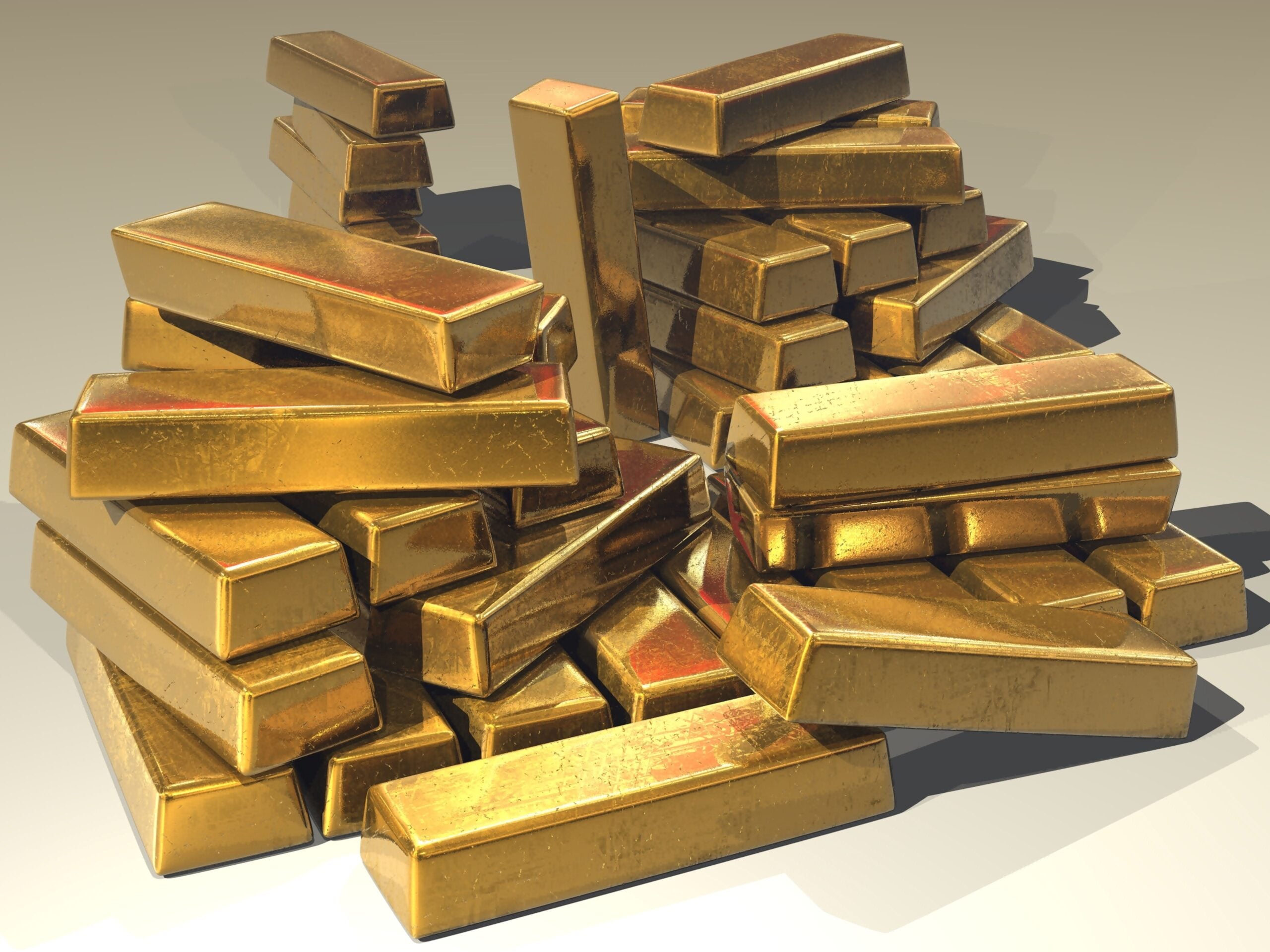
What the New Export Controls Do
Ecuador’s Ministry of Environment and Energy signed a ministerial agreement on 13 August 2026. The Vice Minister of Mines, Galo Garcia Medina, put his name to it.
The order is reportedly docketed as MAE-VM-2026-0001-AM. It applies to processed minerals headed for China.
The rule took effect right away. Any processed mineral shipment bound for China now needs mandatory sampling and technical checks first.
The measure covers processed mineral material under any customs regime. That broad wording is meant to stop shippers from routing metal around the checks.
ARCOM, the country’s mining regulator, must certify the grade and purity of each load. Those results come from accredited labs, and they set the official value of the deal.
Here is the key part. Customs cannot clear the cargo without that ARCOM certificate.
SENAE, the national customs service, cannot authorize loading without it. Shipments can be held at the port until the checks are done.
Why Ecuador Sells Gold Too Cheap
The reason is simple. Ecuador has been selling its gold well below the world price.
In the first quarter of 2026, the global average was US$4,876 per troy ounce. Ecuador’s own export price averaged just US$3,060 an ounce.
That is a gap of more than US$1,800 an ounce. During a record gold boom, the country left real money on the table.
Remember, Ecuador uses the US dollar as its currency. So every figure here is already in US dollars, with no exchange rate to convert.
China is the main buyer of Ecuador’s gold and copper. Exports to China jumped 76.8% from a year earlier in the first quarter of 2026.
Copper concentrate has driven much of that surge to China. It is now the single largest piece of Ecuador’s mineral sales there.
One caveat matters here. Ecuador ships gold mainly as dore and concentrate, not refined pure metal.
So part of that price gap reflects product form and processing costs. It is not all pure undervaluation.
What Triggers a Deeper Review
The agreement sets two red flags for extra scrutiny. The first is when the seller and the buyer are corporate relatives.
The second is when the buyer’s ultimate owner is a foreign state. Officials treat that as a bigger risk to fair pricing.
When a flag appears, ARCOM must sample and verify the mineral before it ships. The goal is to confirm the declared value matches the real market.
If the ministry spots unfair competition, it refers the case onward. It goes to the Superintendency of Economic Competition, Ecuador’s antitrust body.
Tax and pricing disputes go to the SRI, the national tax authority. ARCOM must also publish detailed sampling rules within 30 days.
Exports Are Up, but Revenue Lags
Do not assume exports fell. They did not.
In the first half of 2026, total exports hit a record US$19,571 million. Mining products added US$2,634 million to that total.
Mining is now Ecuador’s third-largest export earner. In the first quarter alone, mining exports reached US$1,381.4 million, up 65.3% from a year before.
Copper concentrate led the way at US$622 million in that quarter. Gold products added more than US$755 million on top.
So the volumes and the dollars are both rising. The worry is that low pricing still costs the state taxes and royalties it should collect.
BYD Launches Hybrids and Plans Fast Charging
In separate news, the Chinese carmaker BYD had a busy August in Ecuador. It launched two plug-in hybrid SUVs and unveiled a charging plan.
The Yuan Pro DM-i arrived on 7 August at a price of US$26,990. DM-i is BYD’s plug-in hybrid system that leans on the electric motor first.
It offers 100 km on electric power alone and up to 1,100 km combined. The first 100 buyers get a US$1,000 bonus.
The larger Ti7 hybrid debuted at Autoshow 2026 in Guayaquil on 11 August. It costs US$54,990 and makes around 483 horsepower.
BYD also announced an ultra-fast flash charger network. But that rollout is a 2027 plan, not something you can use today.
The company aims to install 20 flash chargers in the first half of 2027. Another 40 to 60 units would follow at gas stations and malls.
For now, BYD relies on its existing network of about 150 charging points. Only 21 of those are the faster direct-current type.
BYD says the flash chargers will suit its newer Blade Battery 2.0 cars. El Universo reported a headline charging power near 500 kilowatts.
The plan spans cities like Quito, Guayaquil, Cuenca, Ambato, Manta and Loja. The Amazon region would join in a later phase.
Why This Matters to You
If you invest in mining, expect more paperwork and possible delays on China-bound cargo. The upside is a state that wants full value for its minerals.
Better pricing could lift tax revenue and steady Ecuador’s public finances. It may also reward clean, well-documented mining deals over murky ones.
If you drive, the new hybrids widen your low-emission choices at real dollar prices. Just plan around today’s charging map, since the fastest network is still a year away.
Frequently Asked Questions
What exactly did Ecuador change about mineral exports to China?
Ecuador issued Ministerial Agreement MAE-VM-2026-0001-AM on 13 August 2026. It requires mandatory sampling and technical verification of grade and purity before any processed mineral cargo can ship to China. The mining regulator ARCOM certifies the value, and customs cannot clear the load without that certificate.
Is this a confirmed policy or just a proposal?
It is a confirmed, in-force policy, not a proposal. The agreement was signed and took effect immediately. ARCOM still has to publish detailed sampling rules within 30 days, but the control itself already applies.
Did Ecuador’s mining revenue actually fall in 2026?
No. Both volumes and dollar values rose in early 2026. The real issue is that Ecuador sold gold near US$3,060 an ounce while the world price averaged US$4,876. The new rule targets that undervaluation gap.
What did BYD launch in Ecuador, and is the fast charging live?
BYD launched two plug-in hybrid SUVs in August 2026, the Yuan Pro DM-i at US$26,990 and the Ti7 at US$54,990. Its ultra-fast flash charger network is a 2027 plan, not live yet. For now, drivers use BYD’s existing 150 charging points.
Connected Coverage
Ecuador Illegal Mining Raid Destroys 9 Excavators in the Amazon
Sources: El Comercio – Ecuador mining exports grow 65.3% in Q1 2026; La Hora – Ecuador exports gold below the international price; El Comercio – Ecuador posts record H1 2026 exports; El Comercio – BYD Yuan Pro DM-i arrives in Ecuador; Primicias – New hybrids and EVs at Autoshow Guayaquil; El Universo – BYD hybrid and ultra-fast charging network
This article was produced by The Rio Times’ automated newsroom system. How we use AI · Report an error
Read More from The Rio Times