Volaris Q2 2026: $127M Loss as Fuel Costs Surge
Volaris Q2 2026 net loss hits US$127 million as jet fuel costs spike 36% of operating expenses, yet revenue rose 24% to US$859 million, beating analyst forecasts.

Earnings · Mexico
Key Facts
—Net loss. Volaris reported a US$127 million net loss for the second quarter of 2026, reversing course as fuel costs climbed.
—Revenue. Total operating revenue rose 24% year-on-year to US$859 million, narrowly beating analyst forecasts of about US$855 million.
—Fuel bite. Jet fuel added roughly US$137 million in year-on-year cost and reached about 36% of operating expenses, up from 29% a year earlier.
—Margin. Adjusted EBITDA still came in at US$141 million, a 16.3% margin, above the carrier’s guidance of about 13%.
—Management. CEO Enrique Beltranena called it “the most challenging fuel environment in our history.”
Mexico’s Volaris swung to a US$127 million net loss in the second quarter of 2026, as the steepest jet-fuel costs in the airline’s history overwhelmed a 24% jump in revenue and a better-than-expected operating margin.
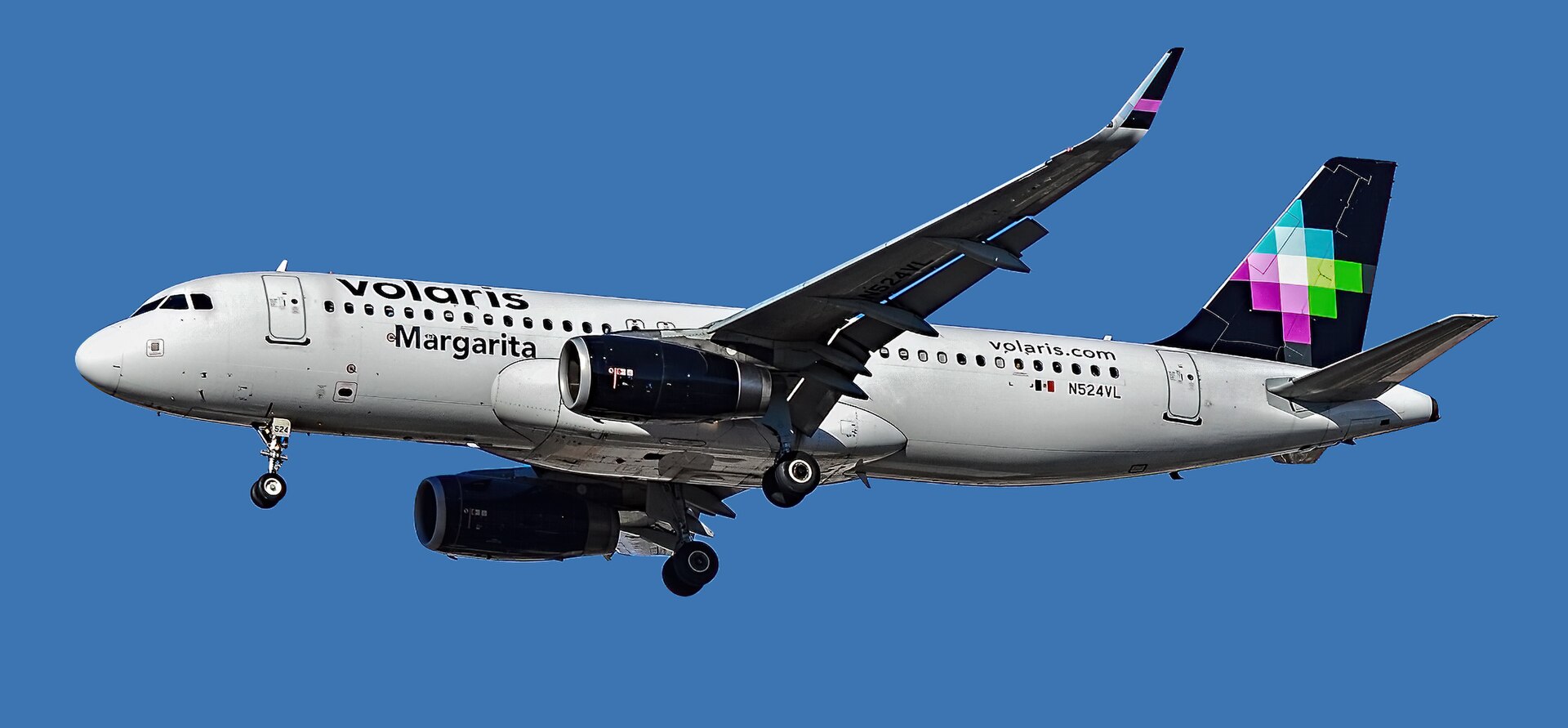
A Profitable Route Map Undone by Fuel
Volaris, Mexico’s largest ultra-low-cost carrier, spent the quarter flying full aircraft at higher fares. Yet the bottom line still turned red, with a US$127 million net loss driven almost entirely by the price of jet fuel.
The swing underlines how exposed thin-margin budget airlines remain to energy markets. A single input, fuel, was enough to erase an otherwise strong commercial quarter.
For readers outside Mexico, Volaris operates an all-Airbus narrow-body fleet on a model familiar to anyone who has flown a low-cost carrier in Europe or Asia: passengers pay a base fare and add extras such as checked bags, seat selection and onboard snacks. That model depends on keeping the cost per available seat-kilometer extremely low, which makes any sustained rise in a non-negotiable expense like jet fuel especially painful.
The airline’s network stretches from Tijuana in the northwest to Cancún on the Caribbean coast, and deep into the United States. It is a vital link for families, business travelers and tourists moving between the two countries, so its financial health is a bellwether for broader cross-border economic activity.
Pricing Power Cushions the Blow
Operating revenue climbed 24% year-on-year to US$859 million, edging past Wall Street’s roughly US$855 million estimate. Management credited firmer ticket prices and resilient demand across its Mexican and cross-border network.
Adjusted EBITDA reached US$141 million, a 16.3% margin that beat the airline’s own guidance of about 13%. On an operating basis, in other words, Volaris outperformed; the loss sat below the operating line, in fuel and financing.
EBITDA stands for earnings before interest, taxes, depreciation and amortization. It is a widely used yardstick that strips out costs tied to how a company is financed and how it accounts for long-lived assets, giving a clearer view of the underlying business.
The fact that Volaris’s adjusted EBITDA margin landed above its own forecast suggests that, away from the fuel pump, the airline’s day-to-day operations are running efficiently.
That pricing power is not something every low-cost carrier can count on. It reflects the deep, steady demand for affordable air travel inside Mexico, a country where geography makes flying a necessity rather than a luxury for many routes.
The Fuel Math
Jet-fuel expense jumped about US$137 million from a year earlier and rose to some 36% of total operating costs. US Gulf Coast jet fuel averaged US$3.70 a gallon in the quarter, below the US$4.00 the airline had assumed in guidance, yet still far above 2025 levels.
With hedging only partly offsetting the spike, the cost flowed straight to the income statement. The result is a reminder that fuel, not demand, is the swing factor for Volaris in 2026.
Hedging is a financial tool airlines use to lock in fuel prices in advance, much like a farmer agreeing on a future price for a crop. When spot prices soar, a hedge can soften the blow; when they fall, the airline can end up paying above-market rates.
Volaris’s hedges helped, but not enough to stop the surge from reaching the bottom line.
What It Means for Travelers and Investors
For travelers, sustained fuel pressure tends to keep fares firm and capacity disciplined, which Volaris has signaled it will maintain. For investors and expats tracking Mexican aviation, the read-through is that the demand story is intact even as profitability waits on fuel to ease.
Volaris now leans on its cost discipline and pricing to carry it through the cycle. A retreat in crude would flip the same operating strength back into net profit quickly.
The broader significance goes beyond one airline. Mexico’s aviation market has grown rapidly over the past decade, with low-cost carriers bringing air travel within reach of millions of new passengers.
A prolonged period of high fuel prices could test whether that expansion can continue at the same pace, or whether some routes and frequencies will need to be trimmed.
What to watch next is whether global crude markets ease in the second half of the year, and how much additional fare increases Volaris can pass through before travelers push back. Another open question is whether the airline will adjust its hedging strategy after this bruising quarter, or stick with its current approach and ride out the volatility.
More: Mexico news in English, every day from The Rio Times.
Frequently Asked Questions
How big was Volaris’s Q2 2026 loss?
Volaris reported a net loss of about US$127 million for the second quarter of 2026, driven by sharply higher jet-fuel costs, even though revenue rose 24% to US$859 million.
Why did Volaris lose money despite higher revenue?
Jet fuel added roughly US$137 million in year-on-year cost and made up about 36% of operating expenses. That increase outweighed the airline’s revenue gains and a healthy 16.3% EBITDA margin.
Is Volaris’s underlying business still healthy?
Operationally, yes: adjusted EBITDA of US$141 million beat guidance, and revenue exceeded forecasts. The loss stemmed from fuel and financing costs rather than weak demand.
Sources
Connected Coverage
Colombia’s Siigo Raises US$103.5 Million to Fund Regional Expansion
Banorte Weighs Another Run at Banamex as Citi Reshapes the Sale
Sources: Volaris; Enrique Beltranena.
This article was produced by The Rio Times’ automated newsroom system. How we use AI · Report an error · Editorial responsibility: Matthias Camenzind, Editor-in-Chief