Strong rand and weather claims hit Sanlam earnings
Sanlam's adjusted headline earnings fell 22% to R7.7 billion in the six months to June 2026 as a stronger rand and weather claims bit.
Key Facts
- —What happened Sanlam’s adjusted headline earnings fell 22% to R7.7 billion (about US$437 million) in the six months to 30 June 2026.
- —The catch Core earnings on a comparable basis rose only 1% to about R7.4 billion (about US$420 million) in the same period.
- —The drivers A stronger rand cut the translated value of offshore earnings, while floods and wildfires lifted general insurance claims.
- —The scale Sanlam is Africa’s largest insurer by new business volumes, with record new business of about R496–500 billion (about US$28 billion) in 2025.
- —What comes next Management treats heightened climate-related risks as a structural feature of African general insurance, not a one-off shock.
Sanlam earnings have been squeezed by a stronger rand and elevated weather-related claims, even as the group’s underlying business keeps growing.
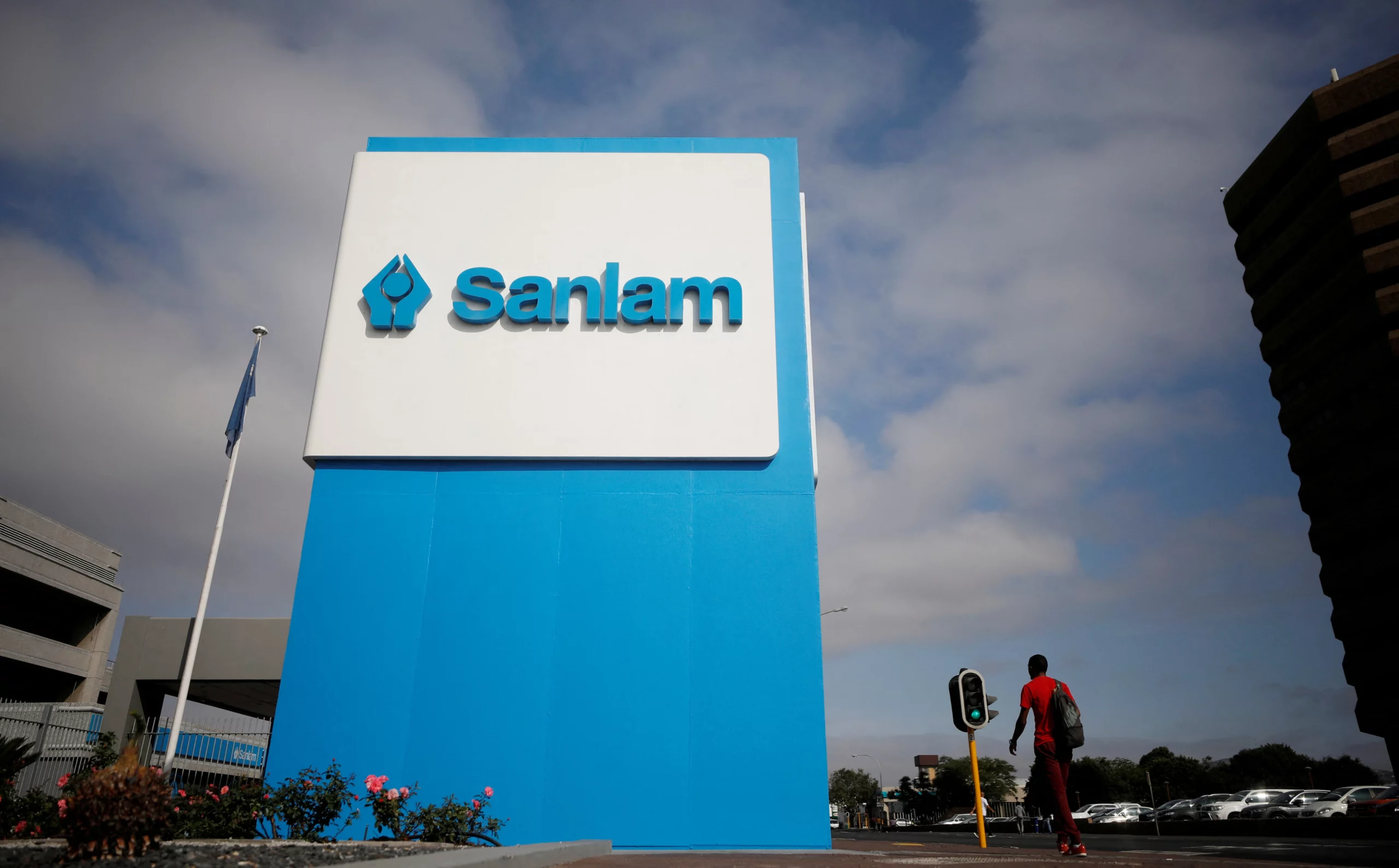
Sanlam, Africa’s largest insurer by new business volumes, reported a 22% drop in adjusted headline earnings to R7.7 billion (about US$437 million) for the six months to 30 June 2026. Management blamed a stronger rand and elevated weather-related general insurance claims across South Africa and parts of Africa.
What the interim numbers show
The unaudited interim results reveal a sharp contrast between headline profitability and the underlying franchise. Adjusted headline earnings fell 22% to R7.7 billion (about US$437 million) in the six months to 30 June 2026.
Core earnings on a comparable basis edged up just 1% to about R7.4 billion (about US$420 million). Reported core earnings were adjusted upward by 5% for comparability, of which roughly 3.5 percentage points reflected the impact of a stronger rand.
The currency effect is not a small technical detail. Rand strength reduced the translated value of offshore earnings, particularly from India and Pan-Africa operations.
Weather claims hit the general insurance book
Climate-linked losses are visible across Sanlam’s general insurance franchise. In the first quarter of 2026, the group highlighted severe weather-related claims across parts of Southern Africa and Pan-Africa.
These events drove elevated catastrophe losses at Santam and SanlamAllianz. Santam’s underwriting margin still remained above the midpoint of its 5–10% target range.
Specific events included flooding in northern South Africa and wildfires in the Western Cape, costing R195 million (about US$11 million) net of reinsurance. Floods in Morocco and a cyclone in Madagascar also reduced underwriting profits.
Sanlam’s own results commentary notes that heightened climate-related risks are now a structural feature of the operating environment for African general insurers. That language signals a shift in how the group prices and reserves for weather exposure.
A stronger rand compounds the pressure
The currency shock is the second macro force hitting Sanlam earnings. In 2025, the group achieved record new business volumes of about R496–500 billion (about US$28 billion) and a net result from financial services of R15.9 billion (about US$903 million).
Yet net operational earnings fell 7–8% in 2025. The South African rand strengthened sharply against the US dollar, Indian rupee and other African currencies in late 2025.
That move cut the rand value of offshore earnings and shareholder-fund investment returns. The pattern has persisted into 2026, with the interim results again flagging the translation impact of rand strength on India and Pan-Africa earnings.
Why Sanlam is a bellwether for African finance
Sanlam’s exposure to climate volatility and currency cycles makes it a useful gauge for African financial groups. Floods, cyclones and wildfires are increasing in frequency and severity across the continent.
That forces higher pricing, tighter reinsurance and larger capital buffers. At the same time, US and global monetary policy shifts strengthen the rand intermittently and reprice emerging-market bonds and equities in markets such as Morocco and India.
These forces weigh on Sanlam’s investment returns even when new business volumes are strong. The group sits at the intersection of climate risk, foreign-exchange translation effects and great-power monetary policy.
For readers tracking the broader scramble for African assets and influence, Sanlam’s results offer a concrete case study. The same pressures shaping its earnings are reshaping insurance, banking and investment across the continent, as explored in Africa: The New Scramble.
What to watch next
The key question is whether weather-related claims moderate in the second half of 2026. If catastrophe losses stay elevated, Sanlam may need to push pricing higher or adjust reinsurance structures further.
Currency direction matters just as much. A sustained stronger rand would keep pressuring the translated value of offshore earnings, while a reversal could provide relief.
Management has not framed these as temporary shocks. The commentary points to structural climate risk and recurring currency translation effects as features of the operating environment.
Investors will therefore be watching not just the next set of results, but how Sanlam adapts its capital allocation, pricing and geographic mix to a more volatile world.
Frequently Asked Questions
Why did Sanlam’s earnings fall 22%?
Sanlam’s adjusted headline earnings fell to R7.7 billion (about US$437 million) in the six months to 30 June 2026 because a stronger rand reduced the value of offshore earnings and weather-related claims rose across South Africa and parts of Africa.
How big is Sanlam in African insurance?
Sanlam is Africa’s largest insurer by new business volumes, with record new business of about R496–500 billion (about US$28 billion) in 2025.
Which weather events hit Sanlam’s results?
Flooding in northern South Africa, wildfires in the Western Cape, floods in Morocco and a cyclone in Madagascar all reduced underwriting profits, with the South African events costing R195 million (about US$11 million) net of reinsurance.
Connected Coverage
Sources
This article was produced by The Rio Times’ automated newsroom system. How we use AI · Report an error · Editorial responsibility: Matthias Camenzind, Editor-in-Chief
LatAm Markets: Live Signals → — real-time movers, turnover leaders and FX across Latin America.