Profit Up, Turbines Idle: CPFL’s Bet On Compensation, Wires, And Storage in Q3 2025
Read about Profit Up, Turbines Idle: CPFL’s Bet On Compensation, Wires, And Storage in Q3 2025 on The Rio Times.
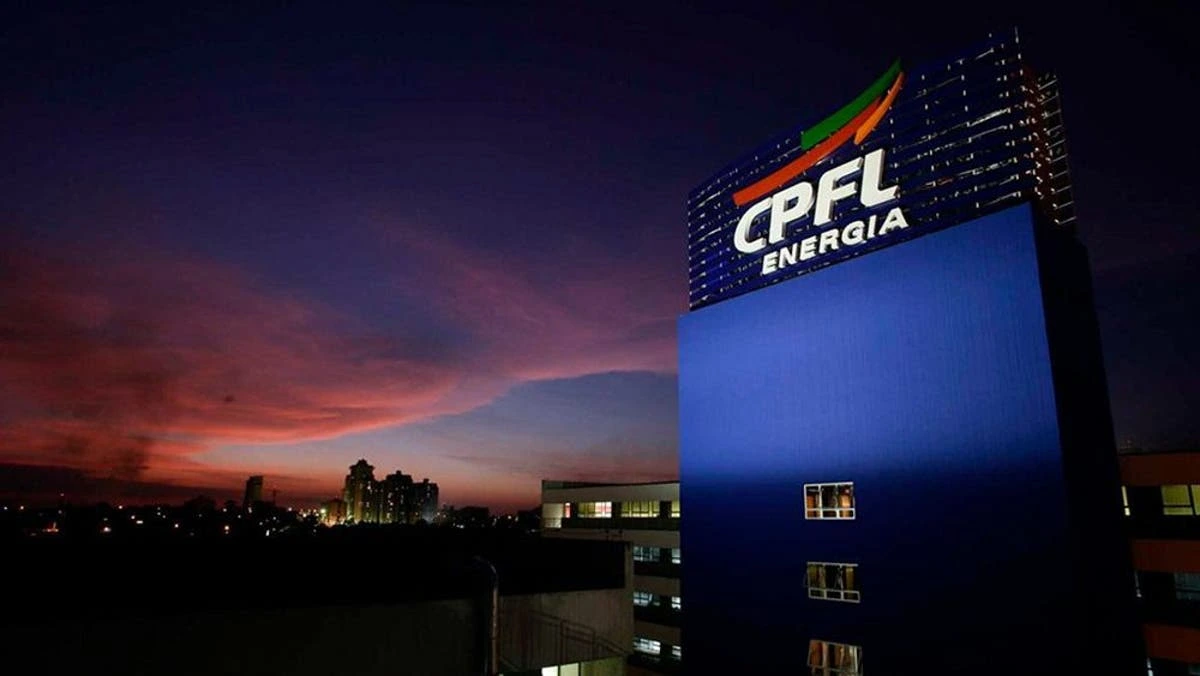
CPFL Energia, one of Brazil’s largest power groups, just posted a tidy beat in a messy quarter. Net profit rose to R$1.38 billion ($256 million), with EBITDA at R$3.16 billion ($585 million).
The surprise didn’t come from wind farms or dams—it came from the boring, reliable side of the business: electricity distribution, where lower default rates, tighter loss control, and tariff adjustments did the heavy lifting.
The twist is wind “curtailment.” Brazil has built renewable plants faster than it can move the power, so the grid operator routinely orders wind and solar units to throttle back.
CPFL says 37% of its wind generation was curtailed in the quarter, up from 27% a year earlier, shaving about R$219 million ($41 million) from results.
This is the story behind the story: a booming green build-out running into old-fashioned bottlenecks—transmission lines, demand patterns, and planning delays.

Relief is coming via policy. Congress approved a measure (MP 1.304/2025) that compensates generators for forced cuts. CPFL expects to book the accounting effect in the fourth quarter, with cash likely in early 2026 after regulators finalize the mechanics.
Translation for investors: earnings support now, liquidity later—assuming the rules land cleanly. Hydrology is another headache. Brazil’s rains have been intense but brief, which doesn’t refill reservoirs.
That keeps short-term power prices firm and exposes hydro plants to “GSF” risk when output trails contracts—another drag CPFL flagged.
So the company is leaning into what it can control. Backed by China’s State Grid, CPFL is expanding in transmission after winning a major lot this year and is preparing a push into energy storage—both batteries and reversible hydropower—once the rulebook is ready.
The aim is steadier, contractable returns and less exposure to weather and curtailment. Why this matters to expats and foreign readers: it’s a window into Brazil’s energy transition as it shifts from just adding renewables to making the system work hour by hour.
The near-term watch list is simple: final compensation rules, timing of cash receipts, transmission project execution, and whether the next rainy season actually fills the dams. If those pieces fall into place, CPFL’s cash flows should look a lot more predictable.
Live Company IntelligenceCPFL Energia S.A — the full investor dossier
Valuation & profitability
Price & risk
$34.5452-wk high
$53.07