Liverpool Earnings Surge 55% on Nordstrom Stake
Liverpool earnings jumped 55.4% in Q2 2026 to MX$5.12 billion (~US$277 million), lifted by its Nordstrom stake, while Suburbia same-store sales fell 6.4%.

Mexico · Business
Key Facts
—Net profit MX$5.12 billion (~US$276.7 million), up 55.4% year over year
—Consolidated revenue MX$57.29 billion (~US$3.10 billion), up 1.5% year over year
—EBITDA MX$8.52 billion (~US$460.6 million), down 1.2% year over year
—Suburbia same-store sales Fell 6.4% year over year, reversing an 8.2% gain in Q2 2025
—Consumer credit portfolio MX$75.25 billion (~US$4.07 billion), with non-performing loans rising to 4.7%
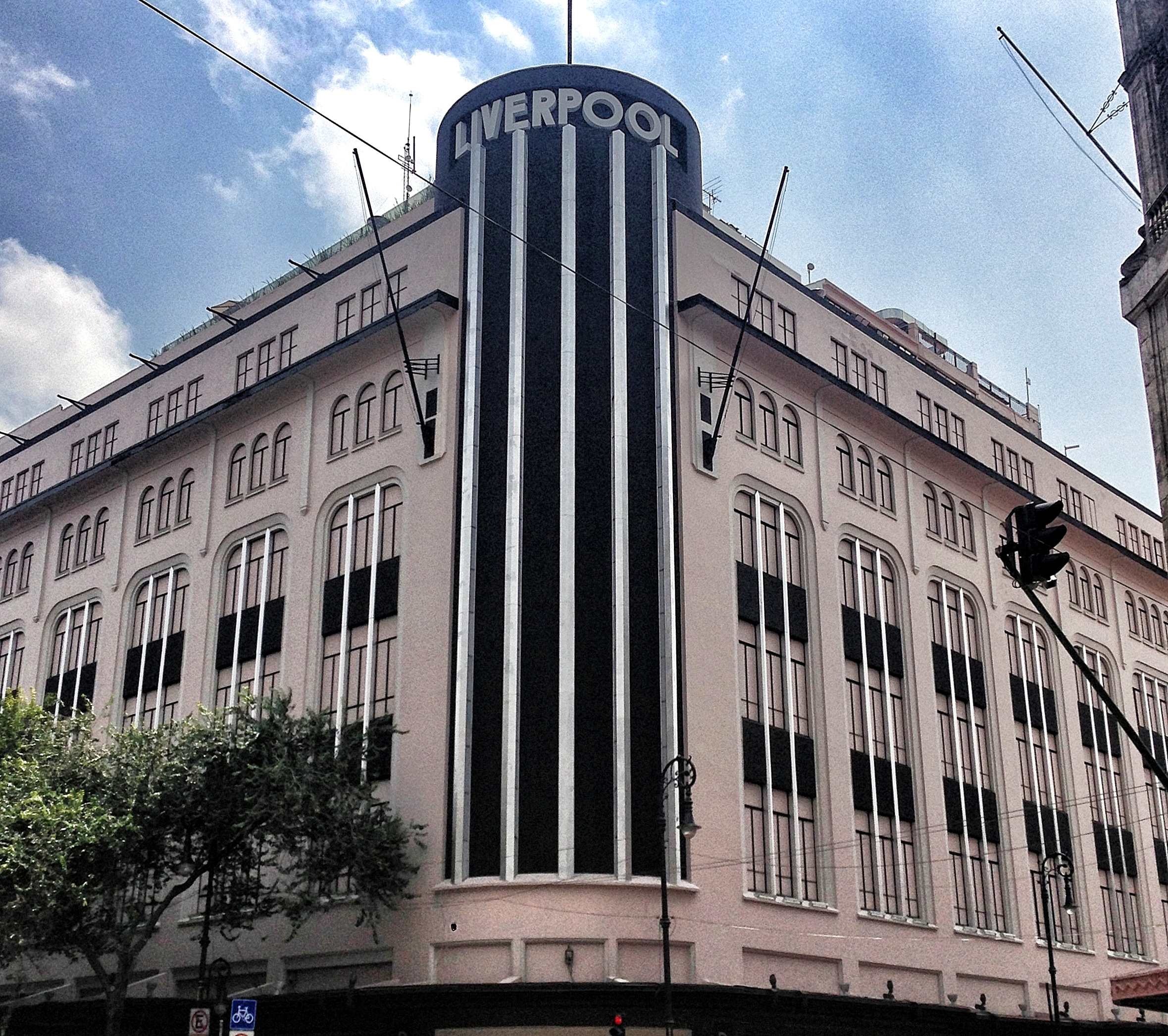
Liverpool earnings soared 55.4% in the second quarter of 2026, as Mexican department-store giant El Puerto de Liverpool benefited from its strategic stake in US retailer Nordstrom, even while its value-focused Suburbia chain suffered a sharp sales contraction.
The Nordstrom Boost and Bottom Line
El Puerto de Liverpool (BMV: LIVEPOLC-1) reported net profit of 5.12 billion pesos (~US$276.7 million) for the April-to-June period, up from 3.30 billion pesos a year earlier.
The jump was largely attributed to the incorporation of Nordstrom via the equity method, meaning Liverpool booked its share of the US department store’s profit.
This financial income helped mask a more challenging operational picture at home.
Consolidated revenue inched up just 1.5% to 57.29 billion pesos (~US$3.10 billion), while EBITDA, a measure of operating cash flow, slipped 1.2% to 8.52 billion pesos (~US$460.6 million).
For readers unfamiliar with the term, EBITDA stands for Earnings Before Interest, Taxes, Depreciation and Amortization. It is a widely used yardstick that strips out non-operational costs to give a clearer view of a company’s core profitability.
A declining EBITDA alongside rising net profit tells a story of a business whose day-to-day operations are under pressure, even as investment income lifts the final result.
A Tale of Two Retail Chains
The results exposed a growing divergence between Liverpool’s flagship brand and its Suburbia value chain.
Same-store sales at Liverpool-branded stores grew a modest 1.7%, showing resilience among middle- and upper-income shoppers.
In contrast, Suburbia, which targets lower-income consumers with affordable clothing, saw same-store sales tumble 6.4%.
This marked a dramatic reversal from an 8.2% gain in the same quarter of 2025.
Analysts cited in local business media attributed the drop to weaker demand and Suburbia’s high exposure to apparel, a category where cash-strapped Mexicans are cutting back.
Same-store sales, sometimes called comparable sales, measure revenue from locations open for at least a year. This metric strips out the noise of new store openings or closures, offering a purer read on underlying customer demand.
A swing from an 8.2% gain to a 6.4% decline in just twelve months is unusually sharp and warrants attention from anyone tracking Mexican household spending.
Reading Mexico’s Consumer Health
The Suburbia slump serves as a clear signal of strain on Mexico’s mass-market consumer.
Persistent inflation and high interest rates have eroded purchasing power for lower-income households.
While the flagship Liverpool chain benefits from a more resilient, formal-sector customer base, the value segment is feeling acute pressure.
For foreign investors, this split-screen view of Mexican retail is crucial: the formal economy is holding up, but the informal and lower-income sectors are retrenching.
This dynamic is visible across Latin America, where consumer spending is increasingly polarized by income level.
The significance of this divide goes beyond one company. Retail sales data is often treated as a real-time proxy for economic health because it reflects what people actually do with their wallets, not just what they say in surveys.
When a chain like Suburbia, a household name for affordable family clothing, posts such a steep drop, it suggests that essential budget trade-offs are intensifying for millions of households.
The Credit Business: Growth and Risk
Liverpool is not just a retailer; it is one of Mexico’s largest consumer credit providers.
Its in-house credit card business is a major profit engine, allowing customers to finance purchases.
The total credit portfolio grew 9.5% year over year to 75.25 billion pesos (~US$4.07 billion).
However, signs of consumer stress are emerging.
The non-performing loan rate for credit overdue by more than 90 days rose to 4.7%, up from 4.0% a year earlier.
Rising delinquencies suggest that even among Liverpool’s core cardholders, household budgets are becoming stretched.
Managing this credit risk will be a key challenge for the company in the coming quarters.
A non-performing loan ratio is a standard gauge of asset quality in any lending business. A move from 4.0% to 4.7% may sound small, but in a portfolio worth over 75 billion pesos it represents a meaningful increase in capital at risk.
The question now is whether this uptick is a temporary blip tied to seasonal factors, or the start of a longer deterioration that could force the company to set aside larger provisions and tighten credit standards.
Market Reaction and Strategic Outlook
The results, published on July 27, 2026, drew a mixed but cautiously positive reaction from market watchers.
The headline profit surge was welcomed, but the underlying operational weakness and consumer deterioration kept analysts guarded.
The Nordstrom investment, part of a broader diversification strategy, is proving its worth as a counterweight to domestic headwinds.
For expats and international investors, Liverpool offers a unique lens on Mexico’s economy: a blue-chip firm with a strong balance sheet, yet one that is not immune to the country’s deepening consumption divide.
The company’s ability to navigate rising credit defaults while its value chain struggles will be the main story to watch.
Looking ahead, several open questions will shape the narrative. Can Suburbia stabilize same-store sales without heavy discounting that further erodes margins?
Will the Nordstrom stake continue to deliver enough financial income to offset domestic softness if Mexican consumer conditions worsen? And crucially, at what point does the rising non-performing loan ratio trigger a more cautious lending posture that could itself dampen sales?
These are the threads worth following when the next quarterly report lands.
More: Mexico news in English, every day from The Rio Times.
Frequently Asked Questions
Why did Liverpool’s profit jump so much in Q2 2026?
Net profit surged 55.4% mainly because Liverpool incorporated earnings from its stake in US retailer Nordstrom using the equity method. This financial boost offset weak operational performance in its domestic value chain.
What does Suburbia’s sales drop tell us about Mexico’s economy?
Suburbia’s 6.4% fall in same-store sales signals that lower-income Mexican consumers are under severe financial strain. They are cutting back on discretionary items like clothing due to persistent inflation and high credit costs.
Is Liverpool’s credit business at risk?
There are growing signs of risk. While the credit portfolio expanded 9.5%, the non-performing loan rate rose from 4.0% to 4.7%.
This indicates more customers are struggling to repay their debts, a trend that requires close monitoring.
Connected Coverage
Sources: El Puerto de Liverpool.
This article was produced by The Rio Times’ automated newsroom system. How we use AI · Report an error · Editorial responsibility: Matthias Camenzind, Editor-in-Chief