Copel, Simpar, And Positivo Q3 2025 Results
Read about Copel, Simpar, And Positivo Q3 2025 Results on The Rio Times.
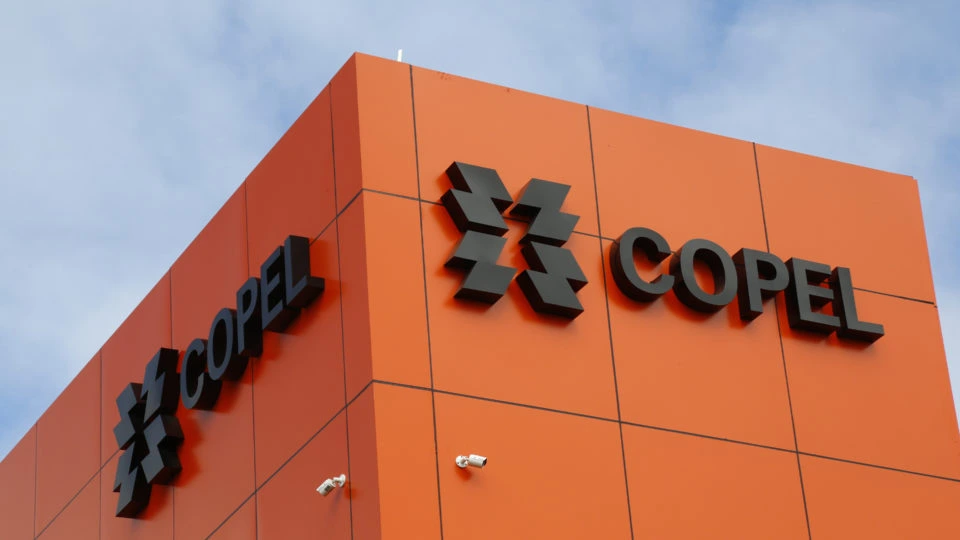
Brazil’s Q3 scorecards from Copel, Simpar, and Positivo offer a clear snapshot of an economy still shaped by elevated borrowing costs and uneven demand.
Beyond the headlines, the trio shows how a utility can grow operations while earnings wobble, how a diversified services group can post record operating results yet report a loss, and how a hardware-and-solutions maker can lean on corporate buyers to offset government softness.
Copel — A privatized utility growing operations while earnings lag
What it is: Copel is Paraná’s power utility, spanning generation, transmission, and distribution.
Net income fell 68.5% to R$ 383.1 million ($71 million), but the core engine kept running hotter. Recurring EBITDA rose 7.8% to R$ 1.3 billion ($241 million) and net operating revenue climbed 18.7% to R$ 6.8 billion ($1.26 billion), pointing to stronger volumes, tariff effects, and transmission contributions.
The story behind the story is a classic utility dilemma in a high-rate, capex-heavy cycle: operating metrics improve while accounting and financial lines tug profit down.
With leverage at 2.8× net debt/EBITDA (excluding Baixo Iguaçu), Copel looks positioned to keep funding networks and generation without overstretching the balance sheet. Cash-generative core, choppy earnings—typical of regulated assets amid shifting financing costs.

Simpar — Record operating muscle, loss in the financial lines
What it is: Simpar is a services and transport holding that owns JSL (logistics), Vamos (heavy-equipment leasing), Movida (car rental), and other platforms.
Simpar delivered record adjusted EBITDA of R$ 3.1 billion ($574 million) and “added” EBITDA of R$ 5.0 billion ($926 million), with net revenue up 4.8% to R$ 11.4 billion ($2.11 billion)—yet posted an adjusted net loss of R$ 119 million ($22 million).
The tension is straightforward: strong operating scale meets a still-elevated cost of capital, and prior growth leaves a heavier average debt load to service.
Management is pulling the levers that matter now: capex moderated to R$ 1.8 billion ($333 million); Vamos prioritizes fleet occupancy and deleveraging; Movida balances pricing against asset values; JSL exploits scale in a fragmented market; and Automob completes its carve-out while navigating a softer agro cycle.
The strategic read-through: defend cash and utilization so that any future rate relief becomes upside, not the base case.
Positivo — Corporate demand cushions public-sector and consumer weakness
What it is: Positivo Tecnologia sells PCs, devices, and tech solutions to companies, government, and consumers.
Positivo posted a small profit of R$ 1.1 million ($0.2 million) as softer government orders and higher financial expenses offset gains elsewhere.
EBITDA edged up 1.5% to R$ 68.1 million ($13 million), while net revenue slipped 1.7% to R$ 805.6 million ($149 million). The mix tells the tale: corporate revenue jumped 21.9%, public-sector sales fell 34.7%, and consumer retreated 12.5%.
A negative net financial result of R$ 46.7 million ($9 million) underscores the rate backdrop, but net debt fell 25.9% to R$ 573.1 million ($106 million), keeping leverage at 1.9×.
Translation: lean into enterprise demand and balance-sheet discipline while waiting for public procurement to normalize.
Live Company IntelligencePositivo Tecnologia S.A — the full investor dossier
Valuation & profitability
Price & risk
$3.1852-wk high
$4.80
Revenue trend · 6y
Ownership
Dividend
This article was produced by The Rio Times’ automated newsroom system. How we use AI · Report an error · Editorial responsibility: Matthias Camenzind, Editor-in-Chief