Cemig’s Profit Falls Sharply in Q3 2025 As Free-Market Shift And Thin Margins Bite
Read about Cemig’s Profit Falls Sharply in Q3 2025 As Free-Market Shift And Thin Margins Bite on The Rio Times.
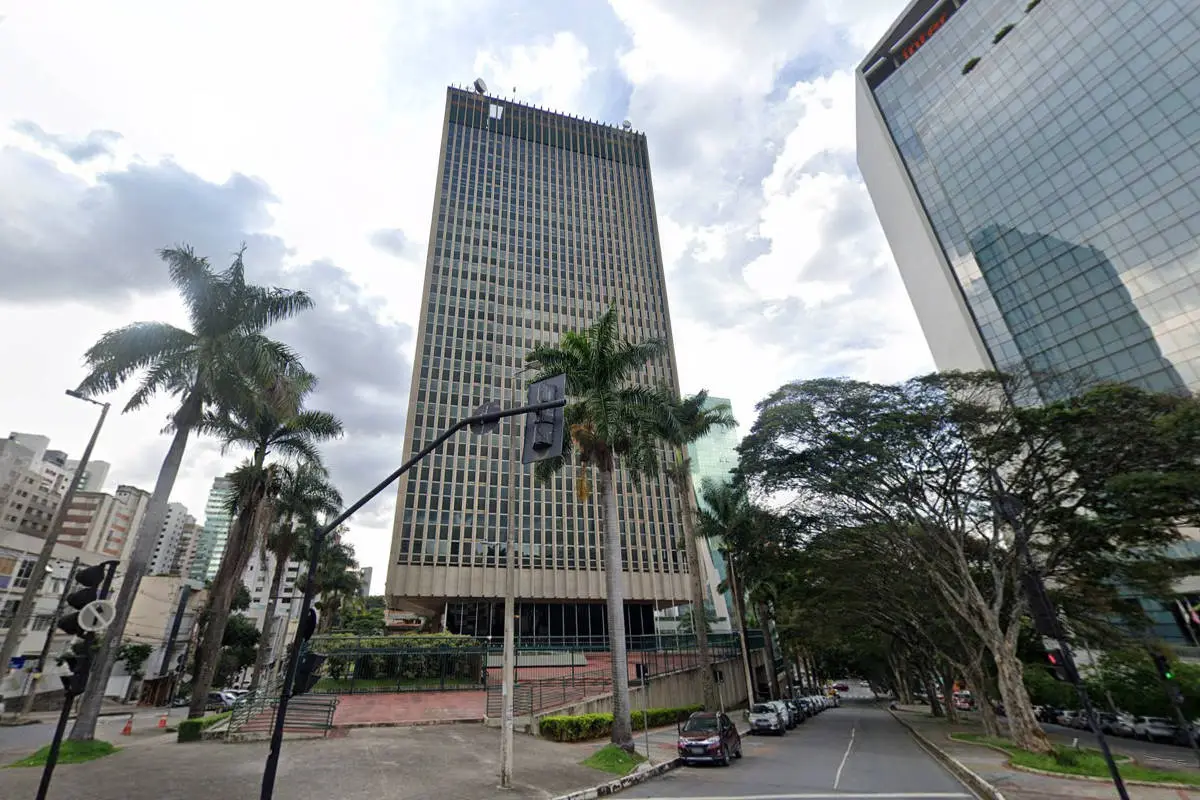
Cemig’s third-quarter net income slid to R$ 797 million ($148 million), down 75.7% year on year, as Brazil’s accelerating migration to the free power market and weaker trading spreads squeezed results.
Adjusted EBITDA dropped 16.2% to R$ 1.47 billion ($272 million), missing the roughly R$ 1.7 billion ($315 million) market consensus, while net revenue inched up 4.6% to R$ 10.6 billion ($1.96 billion).
Management cited lower captive consumption and energy transported at Cemig Distribuição, thinner commercialization margins, and softer generation EBITDA.
Two structural currents are reshaping the business. First, more medium- and high-voltage customers in Minas Gerais are leaving the regulated “captive” base for negotiated free-market contracts.
That reduces distributor volumes and dampens predictable earnings, even when headline demand holds. Second, tariff resets authorized by the regulator (ANEEL) changed bill dynamics this year, contributing to a trickier mix between regulated remuneration and market-based margins.

The quarter lands in the middle of Cemig’s heaviest investment cycle in years. The company plans R$ 39.2 billion ($7.26 billion) in 2025–2029 capex, prioritizing grid modernization, digitalization, and service-quality gains at its distribution arm; about R$ 6.35 billion ($1.18 billion) is slated for 2025.
Cemig’s profits hinge on grid delivery and free-market retention
Executives frame the strategy as focus on Minas Gerais and regulated businesses while selectively expanding clean-energy and competitive offerings to retain and win customers migrating to the free market.
For investors and large consumers, the takeaway is less about collapsing demand and more about mix and margin. Distribution earnings are under pressure as the customer base fragments and trading spreads compress; stabilization depends on delivering the capex plan on time and translating it into lower losses, better reliability, and improved service indicators.
If grid upgrades and new commercial packages slow free-market churn, EBITDA should find a floor; if not, 2026 could bring another year where revenue growth fails to convert into profit.
Near-term watch items: Cemig-D operating metrics, progress on loss reduction and DEC/ FEC indicators, and any evidence that new free-market offerings are retaining industrial clients without sacrificing price discipline.
This article was produced by The Rio Times’ automated newsroom system. How we use AI · Report an error · Editorial responsibility: Matthias Camenzind, Editor-in-Chief