Bolivia’s Paz Vows Cabinet Reshuffle as Protests Grip La Paz
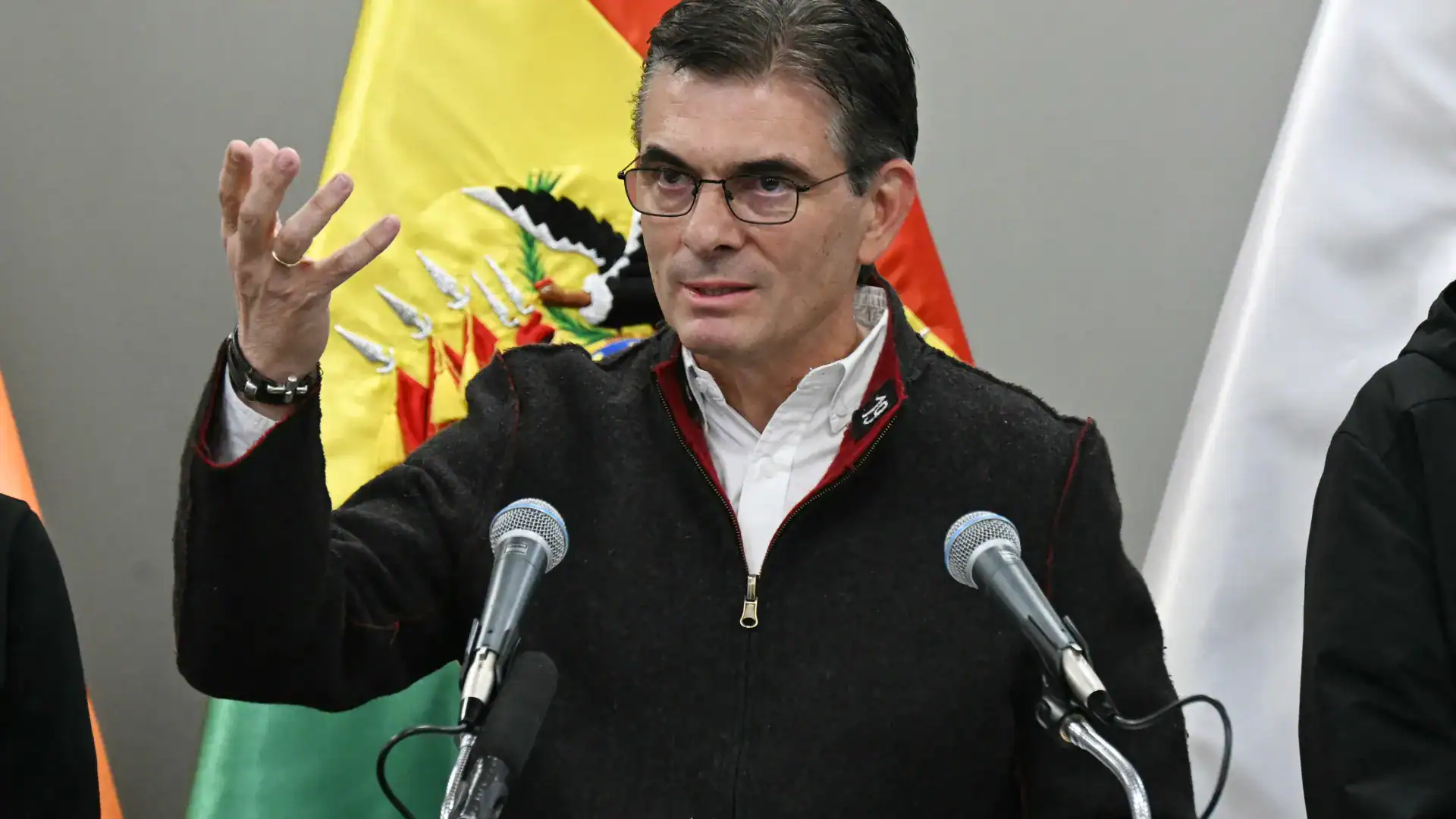
Bolivia · Politics
Key Facts
—The move. the Bolivia cabinet reshuffle was announced by President Rodrigo Paz on May 20, alongside a new economic and social council, to try to defuse the crisis.
—The siege. the announcement, his first press appearance in nearly a week, came after three weeks of road blockades by indigenous, peasant, transport and mining groups.
—The toll. dozens of blockade points across the country have triggered shortages of food, fuel and medicine in La Paz and El Alto, deep in Bolivia’s worst economic crisis in four decades.
—The government’s case. at the Organization of American States, Foreign Minister Fernando Aramayo alleged that organized groups are seeking to destabilize the constitutional order.
—The protesters’ case. labor, peasant and pro-Morales groups demand Paz’s resignation over fuel shocks and the cost-of-living crisis, rejecting his “vandals” label.
—The US backing. Secretary of State Marco Rubio voiced support for Paz, saying Washington would not allow criminals to topple democratically elected leaders in the hemisphere.
Six months into his term, Bolivia’s president is negotiating his own survival. A promised cabinet reshuffle is his bid to absorb a street revolt that has besieged the seat of government for three weeks.
What is the Bolivia cabinet reshuffle?
The Rio Times, the Latin American financial news outlet, reports that the Bolivia cabinet reshuffle was announced on May 20 by President Rodrigo Paz, who also said he would create an economic and social council to seek consensus on his government’s direction. He said the new team needed greater “capacity to listen,” but gave no date for the changes.
It was his first press appearance in nearly a week, made from the Government Palace in La Paz. Even so, Paz ruled out negotiating with the protesters demanding his resignation and insisted he would serve out his five-year term.
What is driving the protests?
Indigenous, peasant, transport and mining groups have blockaded roads into La Paz for three weeks, with dozens of blockade points reported nationwide. The protests began over fuel supply and wage demands and hardened into calls for Paz’s resignation, set against Bolivia’s worst economic crisis in four decades.
The blockades have choked supplies of food, fuel and medicine in La Paz and El Alto, with some families relying on airlifts to restock. Protesters reject Paz’s description of them as “vandals,” casting their movement as a response to hardship and what they call betrayal.
How does the government frame the crisis?
The government argues the unrest is being orchestrated. At the Organization of American States, Foreign Minister Fernando Aramayo said organized groups had gone beyond legitimate protest and were trying to destabilize the institutional order and weaken the government.
Officials link the mobilisation to former president Evo Morales, who is a fugitive from justice in a case involving alleged human trafficking of a minor. Prosecutors have issued arrest orders against blockade leaders, while the government says it will not negotiate with those demanding the president step down.
Why does Washington’s stance matter?
Secretary of State Marco Rubio publicly backed Paz, saying the United States would not allow criminals and drug traffickers to topple democratically elected leaders in the hemisphere. The intervention aligns Bolivia, under a new centre-right leader, more closely with Washington.
It fits a broader pattern of US engagement reshaping South American politics, alongside deals with Argentina and pressure on Cuba and Venezuela. For investors, the external backing is a stabilising signal even as the domestic crisis remains acute.
What should investors and analysts watch next?
- The reshuffle timing: when Paz names the new cabinet and whether it includes social-sector figures.
- Blockade count: whether the number of road blockades rises or eases in the coming days.
- Fuel and supply: whether shortages in La Paz and El Alto deepen the economic damage.
- The Morales factor: how far the fugitive former president’s movement drives the protests.
- External support: whether US and multilateral backing translates into financing that eases the crisis.
More: Bolivia news in English, every day from The Rio Times.
Connected Coverage
The reshuffle follows the moment when La Paz came under siege as protests turned deadly. It deepens a standoff traced as banks closed in La Paz with protests in their third week, against the backdrop set out in our guide to Bolivia’s economy and Paz’s reforms.
Reported by Sofia Gabriela Martinez for The Rio Times — Latin American financial news. Filed May 20, 2026 — 22:30 BRT.
This article was produced by The Rio Times’ automated newsroom system. How we use AI · Report an error · Editorial responsibility: Matthias Camenzind, Editor-in-Chief
Living in or visiting La Paz? See this month's events.
Frequently Asked Questions
What is the Bolivia cabinet reshuffle?
It is a planned reorganisation of President Rodrigo Paz’s ministerial team, announced on May 20 alongside a new economic and social council, aimed at defusing weeks of protests.
Why are people protesting?
Protests began over fuel shortages and wages amid the worst economic crisis in four decades, then broadened into demands for Paz’s resignation, with road blockades choking La Paz.
What does the government say?
It told the Organization of American States that organized groups are trying to destabilize the constitutional order, and links the unrest to fugitive former president Evo Morales.
What is the US position?
Secretary of State Marco Rubio backed Paz, saying Washington would not allow criminals to topple democratically elected leaders, deepening Bolivia’s tilt toward the United States.
Will Paz resign?
No. Paz has ruled out resignation and says he will complete his five-year term, while refusing to negotiate with the groups demanding he step down.