Argentina Breaks from WHO, Aligns with U.S. on Health Sovereignty
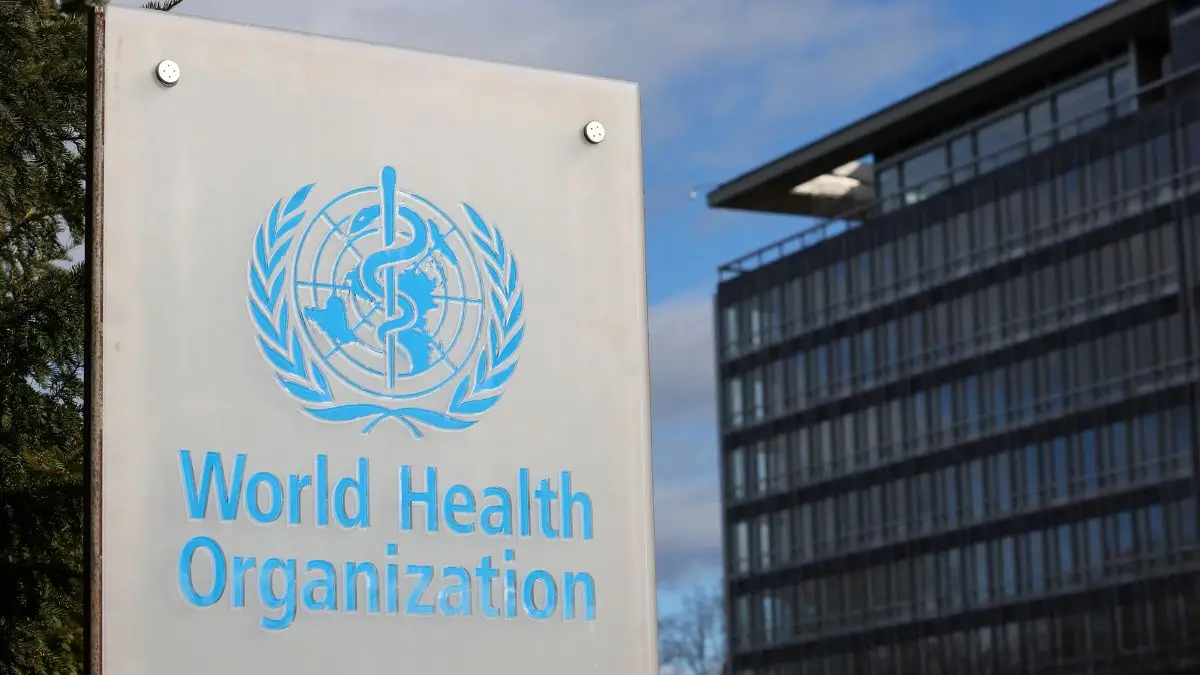
Argentina’s government, led by President Javier Milei, announced its exit from the World Health Organization on May 23, 2025, during a visit by U.S. Health Secretary Robert F. Kennedy Jr., as reported by official statements from Argentina’s Foreign Ministry.
This move mirrors the U.S. withdrawal initiated by President Donald Trump on January 20, 2025, driven by shared distrust in global health governance. Both nations criticize the WHO for prioritizing political agendas over science, particularly in its COVID-19 response.
Milei’s administration accuses the WHO of undermining Argentina’s health sovereignty through rigid mandates. The decision aligns with a five-pillar health reform plan unveiled during Kennedy’s visit.
Argentina plans to streamline health agencies, cutting bureaucratic inefficiencies, and restrict synthetic additives in food to protect consumers. Stricter vaccine oversight aims to rebuild public trust, while faster drug approvals target access to costly treatments.
Foreign Minister Gerardo Werthein formally notified the WHO, echoing Trump’s executive order that criticized the agency’s pandemic handling. Argentina, a WHO member since 1948, joins the U.S. in rejecting what Milei calls “socialist lies” and overreach.
Health Minister Mario Lugones, after meeting Kennedy, emphasized a shared U.S.-Argentina agenda focused on evidence-based policies. The reforms reflect Milei’s broader economic strategy, which slashed public spending by 30% in 2024, achieving a fiscal surplus.
However, poverty now affects over half of Argentina’s 47 million citizens, per Catholic University data, fueling protests against austerity.
Kennedy’s visit, marked by symbolic gestures like posing with Milei’s chainsaw, underscores their anti-establishment alliance, though it sparks concerns about vaccine access and global health coordination.
Argentina’s exit, requiring congressional approval, may disrupt funding for diseases and emergency aid. Yet, Milei’s government bets on bilateral ties with the U.S. to offset losses.
This bold shift prioritizes national control, appealing to businesses wary of global regulations, but risks isolating Argentina in future health crises.
More: Argentina news in English, every day from The Rio Times.
This article was produced by The Rio Times’ automated newsroom system. How we use AI · Report an error · Editorial responsibility: Matthias Camenzind, Editor-in-Chief