How the Oil Shock and US Yields Split Latin America’s Markets
Latin America · Markets & Macro
Key Facts
—Brent near $110. The benchmark traded around $110 a barrel, down about 1.6% on the day after Trump canceled a planned strike on Iran, citing talks brokered by Qatar, the UAE and Saudi Arabia.
—Hormuz still effectively shut. The closure has removed more than 14 million barrels a day from the market, with the conflict having pushed Brent up about 50% since late February.
—A 1.78 mbd deficit now expected. The International Energy Agency flipped its 2026 balance to a deficit, from a previously projected surplus, warning that commercial inventories are draining fast.
—US 10-year yield at 5.18%. The benchmark Treasury yield hit its highest since 2007, the second channel through which the shock reaches the region.
—The region splits in two. Oil and copper exporters capture a windfall, while energy importers face fuel-subsidy and inflation pressure, with no single regional verdict.
—Two transmission channels. The price of crude divides winners from losers, while higher US yields pressure every currency and bond market at once.
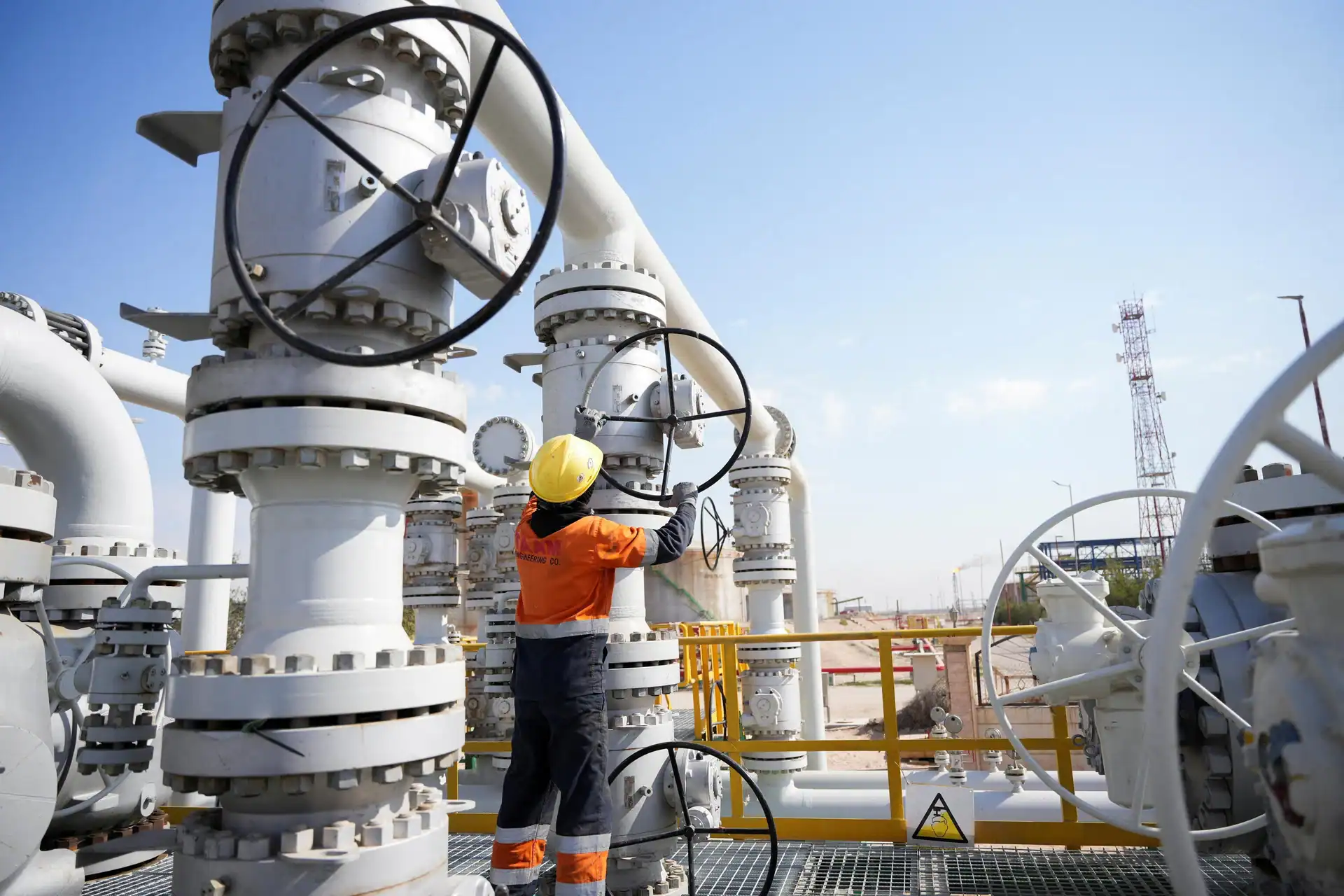
One geopolitical event has set the tone for every Latin American market this year, but it does not hit them the same way. The Iran war reaches the region through two channels that point in opposite directions: the oil price rewards exporters and punishes importers, while the surge in US Treasury yields squeezes them all. Reading the region now means tracking both at once.
What is the Latin America oil shock?
The Rio Times, the Latin American financial news outlet, reports that the Latin America oil shock stems from the Iran war that began in late February, which closed the Strait of Hormuz and removed more than 14 million barrels a day from the global market. Brent traded around $110 a barrel, down roughly 1.6% on the day after President Trump canceled a planned strike on Iran and pointed to negotiations brokered by Qatar, the UAE and Saudi Arabia.
The supply picture remains tight despite the diplomatic flicker. The International Energy Agency revised its 2026 balance to a deficit of about 1.78 million barrels a day, from a previously projected surplus, and warned that commercial inventories are draining with only weeks of cushion. Analysts caution that even a signed deal would not quickly relieve the physical squeeze.
Why do US Treasury yields matter here?
Because they are the second channel, and the one that touches every market. The US 10-year Treasury yield reached 5.18%, its highest since 2007, as investors price in stickier inflation partly driven by energy costs. That benchmark is the global reference for risk-free returns, so when it rises, the cost of capital climbs across emerging markets regardless of any country’s own fundamentals.
The effect is visible in sovereign spreads and currencies alike. A higher US yield widens the gap measured for indebted borrowers and narrows the interest-rate premium that supports carry-trade currencies. It is why a market can deteriorate on paper even when nothing has changed at home.
Who are the winners and losers?
On the oil channel, the split is clear. Net exporters such as Brazil, Colombia and Ecuador capture higher revenue per barrel, and Argentina’s energy producers have rallied on the strength of crude. Chile, a copper exporter, has its own commodity cushion, though that buffer has thinned as the metal softened and its economy contracted in the first quarter.
The losers are the importers. Mexico and the economies of Central America face higher fuel costs that pressure subsidies and inflation, with some governments returning to fuel support to contain the pass-through. The complication is that the yield channel can override the oil channel, so even an exporter can see its currency and bonds pressured if US rates rise fast enough.
How is it showing up market by market?
Argentina’s country risk climbed back near 550 basis points, driven by the US-yield surge rather than domestic deterioration, while its wholesale prices jumped 5.2% in April on the oil pass-through. Mexico’s peso slipped toward 17.39 per dollar as bets on a US rate hike hit a 2026 high. Chile’s stock index gave back its 2026 gains as the copper cushion thinned and growth turned negative.
Elsewhere, local politics has at times overwhelmed the macro story. Colombia has been the regional outlier, with its peso and stocks falling on election risk 11 days before a first-round vote rather than on global yields, while Peru’s sol is the year’s weakest major regional currency on its own runoff uncertainty. The common thread is that the oil-and-yield spine sets the backdrop, while domestic events decide the deviations.
What should investors and analysts watch next?
- The Iran negotiation track: a credible deal that reopens Hormuz would lower both oil prices and the yield pressure feeding through to the region.
- The US 10-year yield: the single most powerful regional variable, since a retreat from the 2007 high would ease currencies and spreads across the board.
- Inventory data: with the IEA flagging a draining buffer, stock figures will signal whether the physical squeeze intensifies or eases.
- Copper versus oil: for Chile and Peru, the relative strength of metals against crude determines whether the commodity cushion holds.
- Election calendars: Colombia’s May 31 first round and Peru’s June 7 runoff are domestic catalysts that can override the macro backdrop.
Frequently Asked Questions
What is causing the Latin America oil shock?
The Iran war that began in late February closed the Strait of Hormuz, removing more than 14 million barrels a day from the market and pushing Brent up about 50%. The supply disruption, now expected to leave a 1.78 million barrel-a-day deficit in 2026, is the source of the price shock.
Why does it affect each country differently?
Because the region is split between energy exporters and importers. Higher oil prices reward exporters like Brazil, Colombia and Ecuador while punishing importers like Mexico through fuel costs and inflation. A separate channel, rising US yields, pressures all of them at once.
How do US Treasury yields fit in?
The US 10-year yield reached 5.18%, its highest since 2007, partly on energy-driven inflation fears. As the global benchmark for risk-free returns, it raises the cost of capital across emerging markets, widening sovereign spreads and pressuring currencies even where domestic fundamentals are stable.
Which markets are most exposed?
Mexico is exposed as an importer and through the yield channel via its rate-sensitive peso. Argentina is exposed through its sovereign spread, which tracks US yields directly. Chile and Peru depend on whether copper prices hold up against the oil and yield pressure.
Will a ceasefire end the shock?
Not immediately. Analysts warn that even a signed deal would not quickly relieve the physical supply squeeze, given drained inventories and the time needed to restore Hormuz traffic. The diplomatic track matters, but the market is pricing a slow normalization rather than a sudden one.
Connected Coverage
The full background is in our guide to the Iran war, the Hormuz crisis and the Latin American fallout, while the producer-by-producer picture is set out in our guide to oil and energy in Latin America in 2026. For how the same yield shock has hit one market in particular, see our reporting on Argentina’s country risk rising on global repricing rather than domestic fundamentals.
Reported by Sofia Gabriela Martinez for The Rio Times — Latin American financial news. Filed May 20, 2026 — 09:00 BRT.
This article was produced by The Rio Times’ automated newsroom system. How we use AI · Report an error
Read More from The Rio Times