Chile’s Maricunga Lithium Deal Nears Signature as Rio Tinto Takes 49.99%
Key Points
- The Maricunga lithium contract cleared oversight and is ready for signature, the mining minister says.
- Rio Tinto would take 49.99% while Codelco keeps 50.01%, preserving state control by design.
- Up to $900 million is tied to milestones and a 2030 start, but water risks will decide legitimacy.
Chile says it is ready to sign the operating contract for a lithium project at the Maricunga salt flat. The move advances a key test of its state-led lithium strategy.
Mining Minister Aurora Williams said Cochilco’s council approved the contract terms. She added the Comptroller General completed its “toma de razón” legality review, clearing the way.
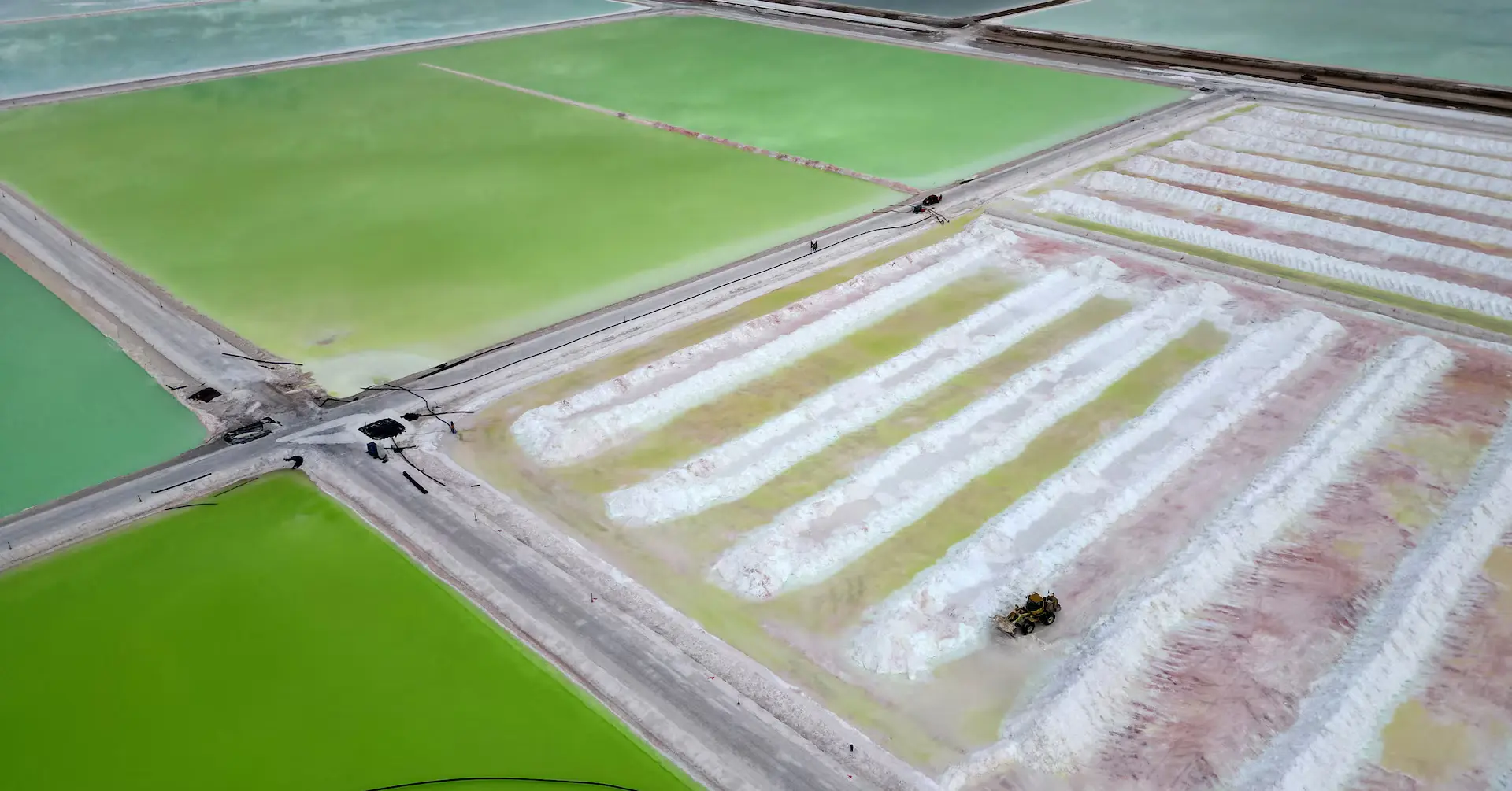
The project would sit inside Salar de Maricunga SpA, controlled by state miner Codelco with 50.01%. Rio Tinto would hold 49.99%. The split keeps the state in command while importing capital and know-how.
The money is structured around execution. The partners have described a commitment of up to $900 million, linked to milestones. That includes $350 million at closing and $500 million after a final investment decision.
A further $50 million would be paid if first saleable production arrives by December 31, 2030. The companies have pointed to commercial lithium carbonate equivalent production around 2030.
That reflects the runway for studies, permits, construction, and commissioning in a sensitive basin. Maricunga is smaller than the famous Salar de Atacama.
Chile Lithium Projects Face Local Scrutiny
Yet it is often described as a high-grade brine resource, which helps explain Rio Tinto’s interest. The hardest questions are local. Water use and ecosystem impact remain flashpoints across the Atacama region.
Direct Lithium Extraction has been floated as an option with a smaller evaporation footprint. Its real-world performance and permitting path will be closely tested.
Online, many posts amplified the stake split, the approvals, and the timeline. Some praised institutional sequencing and state control. Critics, including activist and hardline nationalization voices, argued Chile is conceding too much.
Signature will not end the debate. The decisive milestones will be feasibility results, the final investment decision, and an environmental plan that survives both courts and communities.
Related coverage: Brazil’s Morning Call | Chile’s Central Bank Holds Rates At 4.5% As Inflation Cools This is part of The Rio Times’ daily coverage of Chile affairs and Latin American financial news.
This article was produced by The Rio Times’ automated newsroom system. How we use AI · Report an error · Editorial responsibility: Matthias Camenzind, Editor-in-Chief
In depth
Read More from The Rio Times