Chile’s Faith Shift: Fewer Catholics, More Non-Religious, Census Shows
Chile’s 2024 national census reveals a major change in how people see religion. Only 54% of Chileans now call themselves Catholic, down from nearly 77% in 1992.
At the same time, the number of people with no religion has jumped to almost 26%, up from just 8% in 2002. Evangelical and Protestant Christians have also grown, now making up 16% of the population.
These numbers come straight from Chile’s National Institute of Statistics. They show that Chile is moving away from its Catholic roots, especially among younger people.
The average age of those with no religion is 38.8 years, compared to 46.7 years for those who have a faith. Several things have caused this shift. Urbanization and modernization have made secular views more common.
Scandals involving church leaders have also damaged trust. Many Chileans now see faith as a personal choice, not something inherited from family or tradition. This change matters for businesses, schools, and politicians.
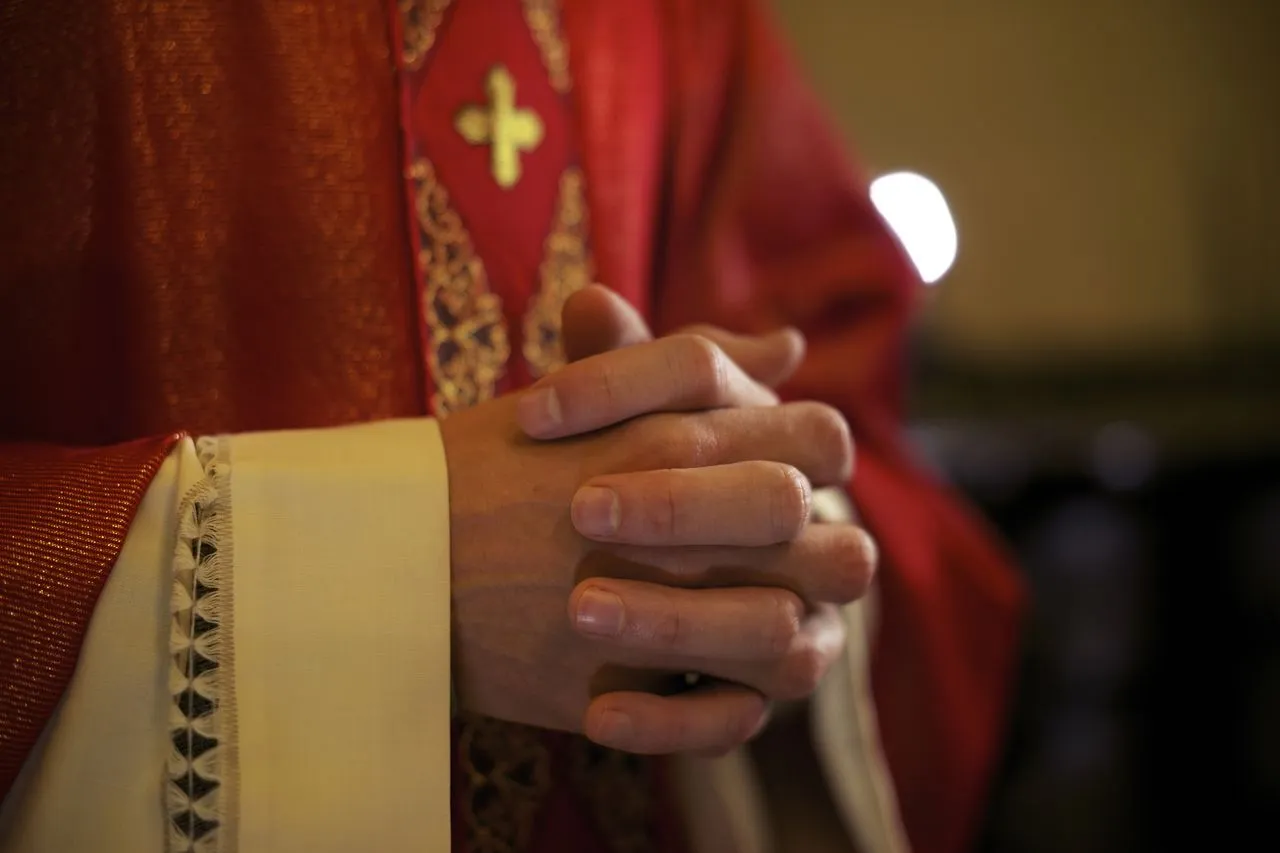
The Catholic Church used to play a big role in education, health care, and even lawmaking. Now, its influence is shrinking. Companies and leaders can no longer assume that most people share the same religious values.
There are still regions, like Maule, Ñuble, and O’Higgins, where religious identity is stronger. But in cities, secular and diverse views are rising fast.
The Catholic Church has responded by focusing on smaller, more active communities and stressing personal conviction. But public trust is low. Recent surveys show only 19% of Catholics say they trust the Church, down from 58% in 2006.
Chile’s new religious map is changing how people live, work, and connect. The 2024 census gives a clear, data-based view of this shift. Anyone interested in Chile’s future—whether in business, education, or government—needs to understand these new realities.
More: Chile news in English, every day from The Rio Times.
This article was produced by The Rio Times’ automated newsroom system. How we use AI · Report an error
Read More from The Rio Times