After Deadly Rio Raids, Argentina Puts Brazil Border on Max Alert
Argentina has moved its border with Brazil to “maximum alert” and labeled Brazil’s two most powerful criminal factions—Comando Vermelho (CV) and Primeiro Comando da Capital (PCC)—as narco-terrorist organizations.
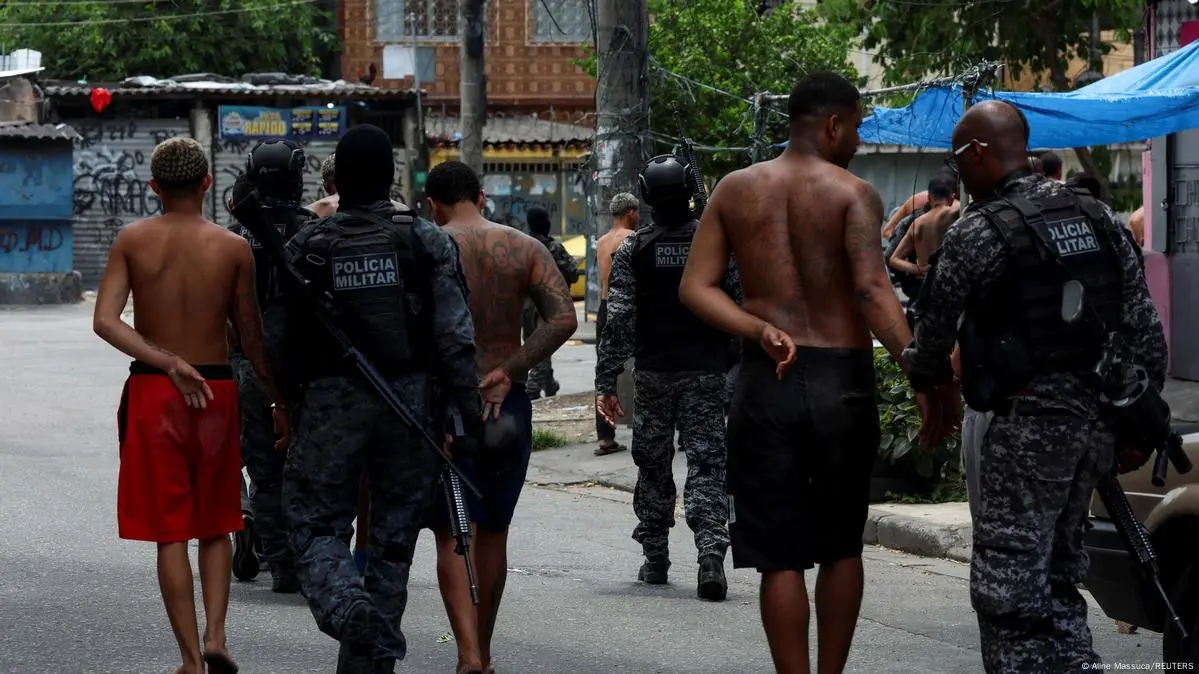
The decision follows sweeping police raids in Rio de Janeiro’s Penha and Alemão complexes that officials say left 119 people dead. Authorities reported more than 130 arrests and the seizure of 118 weapons, including 91 rifles, plus explosive devices.
The immediate change is at the crossing points—especially in the Triple Frontier with Paraguay—where Argentine officers are now instructed to run closer checks on Brazilian travelers, even those without criminal records.
Officials say tourists will not be confused with suspects, but movements linked to the unrest will face extra scrutiny. By placing CV and PCC on its terrorism-linked registry, Buenos Aires also unlocked tools to fast-track watch-listing and freeze assets tied to these groups.
The story behind the story is regional, not just Brazilian. CV and PCC grew from prison-based command structures into sprawling businesses that move drugs, cash, and weapons along river corridors and highways that do not stop at borders.
The Triple Frontier—two rivers, three countries, many ports and depots—offers precisely what sophisticated crime needs: logistics, anonymity, and gaps between bureaucracies.
Argentina’s Max Alert Strains Borders and Regional Ties
Argentine authorities say several dozen Brazilians are already in their prisons, including people linked to these factions—a sign that the spillover is not theoretical.
Why this matters beyond South America: first, travel and trade. Harsher screening can mean delays for tourists, truckers, and cross-border workers, and tighter checks on freight will raise costs for anyone shipping through the region.
Second, finance and governance. The narco-terrorist label prioritizes following the money—front companies, remittances, and fast cash couriers—bringing banks and payment platforms under sharper pressure to report suspicious flows.
Third, politics. A tougher posture in Buenos Aires will test cooperation with Brasília and Asunción at a moment when crime is challenging state authority across the continent.
The question now is whether “max alert” can slow the networks without grinding the legal economy at the frontier.
What to watch: border wait times, joint operations, and whether seizures shift from street-level raids to the higher-value targets that keep these groups financed and mobile.
More: Argentina news in English, every day from The Rio Times.
This article was produced by The Rio Times’ automated newsroom system. How we use AI · Report an error
Read More from The Rio Times