Argentine Barley Boom: Gulf States Replace European Suppliers
Key Facts
— —Saudi barley imports from Argentina jumped from 235,000 tonnes in 2023/24 to 1.365 million tonnes in 2024/25.
— —In the first four months of 2025/26, Gulf states already imported 1.66 million tonnes of Argentine barley.
— —Hormuz disruptions and Red Sea routing risks give Argentine shippers a cost advantage over European competitors.
A little-noticed shift in global grain flows has turned Argentina into the Gulf’s dominant barley supplier, with Argentina barley exports to Saudi Arabia rising nearly sixfold in a single year.
The Rio Times, the Latin American financial news outlet, reports that Argentina’s feed barley shipments to the Middle East have exploded, reshaping a trade corridor that barely existed two years ago. According to analysis published in La Nación by grain trade specialist Leandro Pierbattisti, Saudi Arabia imported 1.365 million tonnes of Argentine barley in the 2024/25 campaign — up from just 235,000 tonnes the year before. The Gulf kingdom uses the grain primarily to feed sheep, camels, and horses in its heavily subsidized livestock sector.
Why Argentina Barley Exports Are Booming
The surge reflects a convergence of geopolitical and logistical factors. The ongoing Hormuz crisis and broader Middle East conflict have disrupted Red Sea shipping routes, raising freight costs for European barley exporters who typically supply the Gulf through the Suez Canal. Argentine shipments arriving at the Saudi port of Dammam via the Cape of Good Hope have become cost-competitive by comparison.
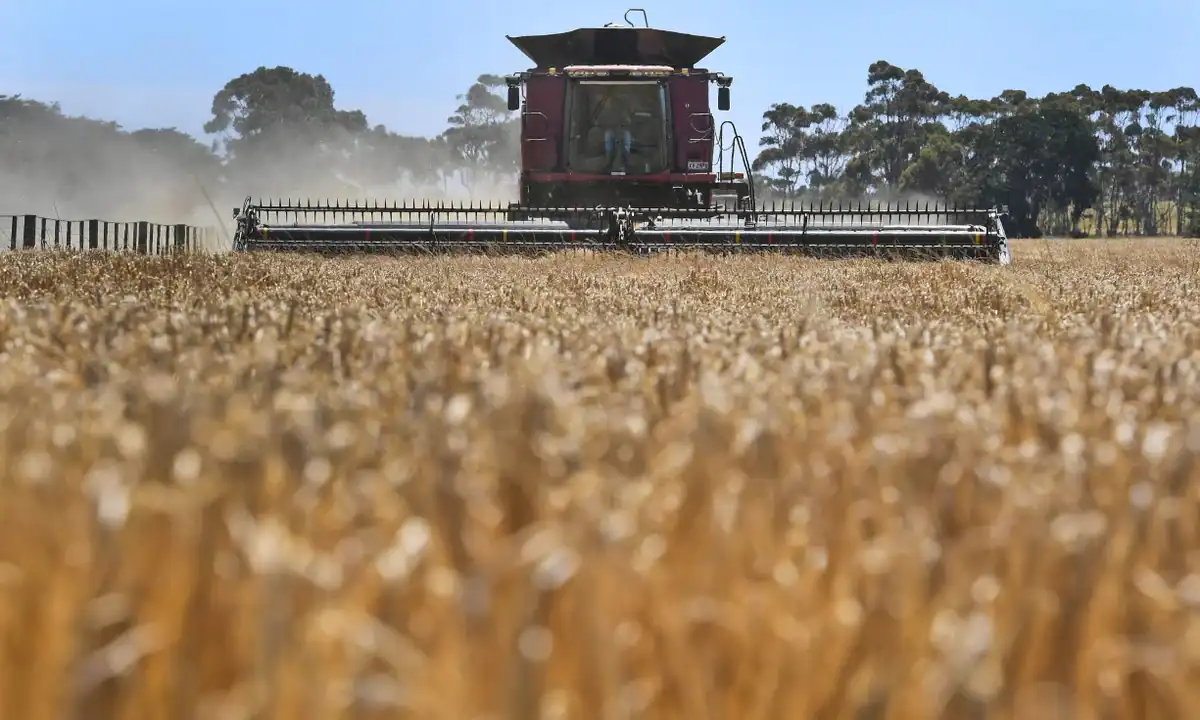
Meanwhile, cold weather in Russia and Ukraine delayed Black Sea barley shipments from the 2025 harvest, temporarily removing two of the world’s largest suppliers from the market. Argentine exporters filled the vacuum, capitalizing on strong 2025/26 production of approximately 5.7 million tonnes from 1.2 million hectares.
The Numbers Behind the Gulf Grain Shift
The pace is accelerating. In just the first four months of the 2025/26 campaign, Saudi Arabia alone imported 1.286 million tonnes of Argentine barley. An additional 370,000 tonnes went to other Persian Gulf states, bringing the early-season Gulf total to roughly 1.66 million tonnes.
This Middle East demand more than compensated for the sharp decline in Argentine barley exports to traditional markets. Shipments of brewing-quality barley to Brazil have fallen significantly, and feed-grade exports to China have also dropped. Yet total Argentine barley exports in the first four months of 2025/26 still exceeded the same period of 2021/22 by 23% in volume.
Volume Up, Value Lagging
There is a catch, however. Despite the volume surge, the value of Argentine barley exports in 2025/26 is about 7% lower than in the same period of 2021/22. The 2021/22 season benefited from the Ukraine war’s dramatic grain price spike — an effect the current Hormuz crisis has not replicated.
Additionally, the shift from higher-value brewing barley to lower-margin feed barley means Argentina is selling more tonnage but earning less per unit. For Argentine producers, the Middle East feed market is where volume growth lies — but upgrading to higher-value products remains a challenge.
Food Security and the Bigger Picture
Saudi Arabia’s barley appetite is structural, not cyclical. The kingdom banned domestic wheat cultivation in 2016 to conserve aquifers, making it permanently dependent on imported grain for livestock feed. Government subsidies for animal feed have anchored the Gulf as one of the world’s largest and most reliable commodity import markets.
For Argentina, the barley boom adds a new dimension to its commodity export profile beyond the traditional pillars of soybeans, corn, and beef. If Hormuz disruptions persist through 2026 — as most analysts expect — Argentine shippers could lock in multi-year supply relationships with Gulf buyers who now view South American routing as a strategic hedge against Red Sea and Persian Gulf instability.
The risk is that this windfall proves temporary. Once Black Sea logistics normalize and European competitors restore their traditional shipping lanes, Argentine barley may lose its cost edge. But the scale of the current shift — from marginal supplier to dominant origin in under two years — suggests that at least some of these new trade relationships will endure.
Related Coverage
Argentina Economy 2026 Guide •
Iran War & Hormuz Crisis 2026 Guide •
Oil & Energy in Latin America 2026
More: Argentina news in English, every day from The Rio Times.
This article was produced by The Rio Times’ automated newsroom system. How we use AI · Report an error · Editorial responsibility: Matthias Camenzind, Editor-in-Chief