Pentagon Faces $50 Billion Cut as Hegseth Targets Waste
Defense Secretary Pete Hegseth demands an 8% cut to the Pentagon’s $876.8 billion 2026 budget, slashing $50 billion, per a February 18 memo obtained by Reuters.
He orders military leaders and agencies to submit plans by February 24, refocusing funds on President Trump’s priorities. The directive spares border security and nuclear upgrades but axes climate and diversity programs.
Hegseth, a former Fox News host turned Pentagon chief, pushes this amid Trump’s fiscal overhaul, backed by Elon Musk’s efficiency team. The memo protects Virginia-class submarines, missile defense, and drones, while the F-35’s fate hangs unclear despite its $1.7 trillion cost.
The Pentagon’s $849 billion 2025 budget faces scrutiny as Hegseth targets bureaucracy, not troop cuts, though 780,000 civilians worry about jobs.
Analysts warn an 8% annual slash could hit $290 billion over five years, dwarfing 2013’s $56 billion sequestration. Congress, keen on jobs tied to defense contracts, may resist fiercely.
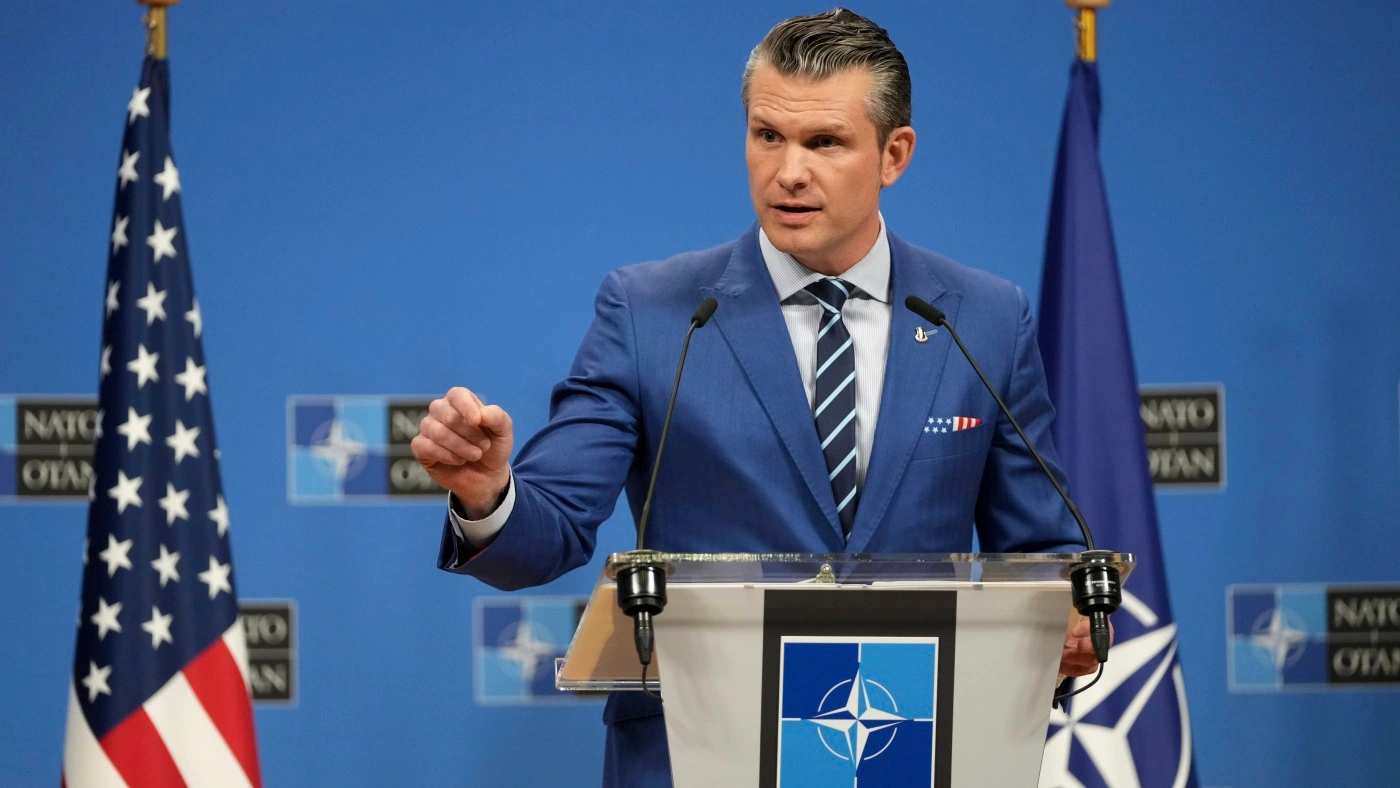
Meanwhile, border operations stay funded, reflecting Trump’s wall priority, not the Pentagon’s usual turf. Cybersecurity and Indo-Pacific bases also survive, countering China’s rise.
Pentagon’s Leaner Budget
However, scrapping clean audits and new Air Force drones signals a leaner, less-prepared military, critics argue. Figures tell a deeper tale: $50 billion redirected in 2026 won’t vanish but fuels Trump’s vision—missile shields and “warrior ethos.”
DEI’s $100 million budget offers slim savings, hinting at ideology over math. Climate cuts ignore $1 billion in storm repairs, risking future costs for short-term gains.
Observers note chaos in the timing—budget season disrupted by Trump’s transition, with layoffs looming for 4,000 NSA workers. Hegseth, untested in big bureaucracies, dives into the Pentagon’s 3 million-strong world.
Business leaders eye the fallout: defense stocks may wobble as contracts shift. It’s a gamble—streamline now or weaken later. Readers see a Pentagon at a crossroads, balancing Trump’s demands against global threats, with $50 billion as the opening bet.
This article was produced by The Rio Times’ automated newsroom system. How we use AI · Report an error · Editorial responsibility: Matthias Camenzind, Editor-in-Chief
Read More from The Rio Times