Lost Human Lineage Uncovered in Colombia Challenges Ancient Migration Theories
A new genetic study published in Science Advances reveals that a previously unknown group of hunter-gatherers lived in the Colombian highlands near Bogotá 6,000 years ago.
Researchers from an international team analyzed DNA from 21 ancient individuals found in the Altiplano Cundiboyacense region, a strategic area near the land bridge that once connected North and South America.
This region served as a key migration route for early human settlers moving south from Central America. The DNA analysis shows that these early Colombians formed a unique genetic branch.
Their genes do not match those of ancient or modern populations in North, Central, or South America. Scientists found no genetic links to other Native American groups, which makes this discovery highly unusual.
According to Kim-Louise Krettek, an anthropologist involved in the study, the genes of these hunter-gatherers did not pass on to later populations in the region.
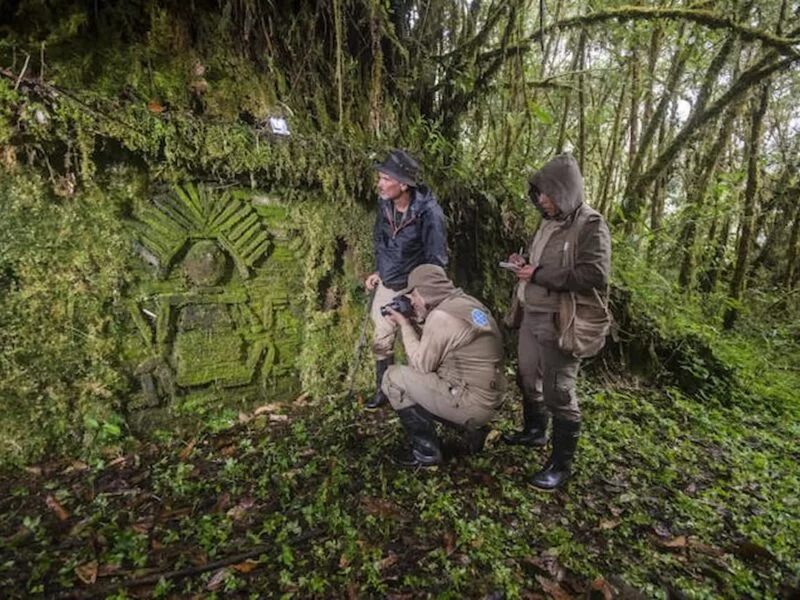
About 4,000 years ago, this distinct group disappeared from the genetic record. DNA from later inhabitants of the same area shows a complete population turnover.
Ancient DNA in Colombia Reveals a Lost Population
The new group, likely originating from Lower Central America, brought different genetic markers, new technologies such as pottery, and early forms of agriculture. These newcomers are genetically related to people who speak Chibchan languages today.
Researchers do not know why the original population vanished. Theories include possible displacement by larger groups, disease, or environmental changes.
However, scientists refrain from speculation without more evidence. The research team emphasizes that the genetic traces of the original group have not been found in any current or later populations in the region.
This discovery matters for several reasons. It challenges the established models of how humans populated South America, showing that migration and settlement patterns were more complex than previously believed.
The complete genetic replacement in the Bogotá highlands is rare in South American prehistory, where most ancient populations have at least some genetic continuity with modern groups.
For business and trade, understanding the deep history of population changes in key transit regions like Colombia can inform infrastructure, resource management, and cultural heritage policies.
The study’s findings highlight the importance of genetic research in uncovering lost chapters of human history and remind us that even well-studied regions can yield surprises that reshape our understanding of the past.
More: Colombia news in English, every day from The Rio Times.
This article was produced by The Rio Times’ automated newsroom system. How we use AI · Report an error · Editorial responsibility: Matthias Camenzind, Editor-in-Chief