Caiado Would Privatise Parts of Petrobras If Elected | Rio Times
Key Facts
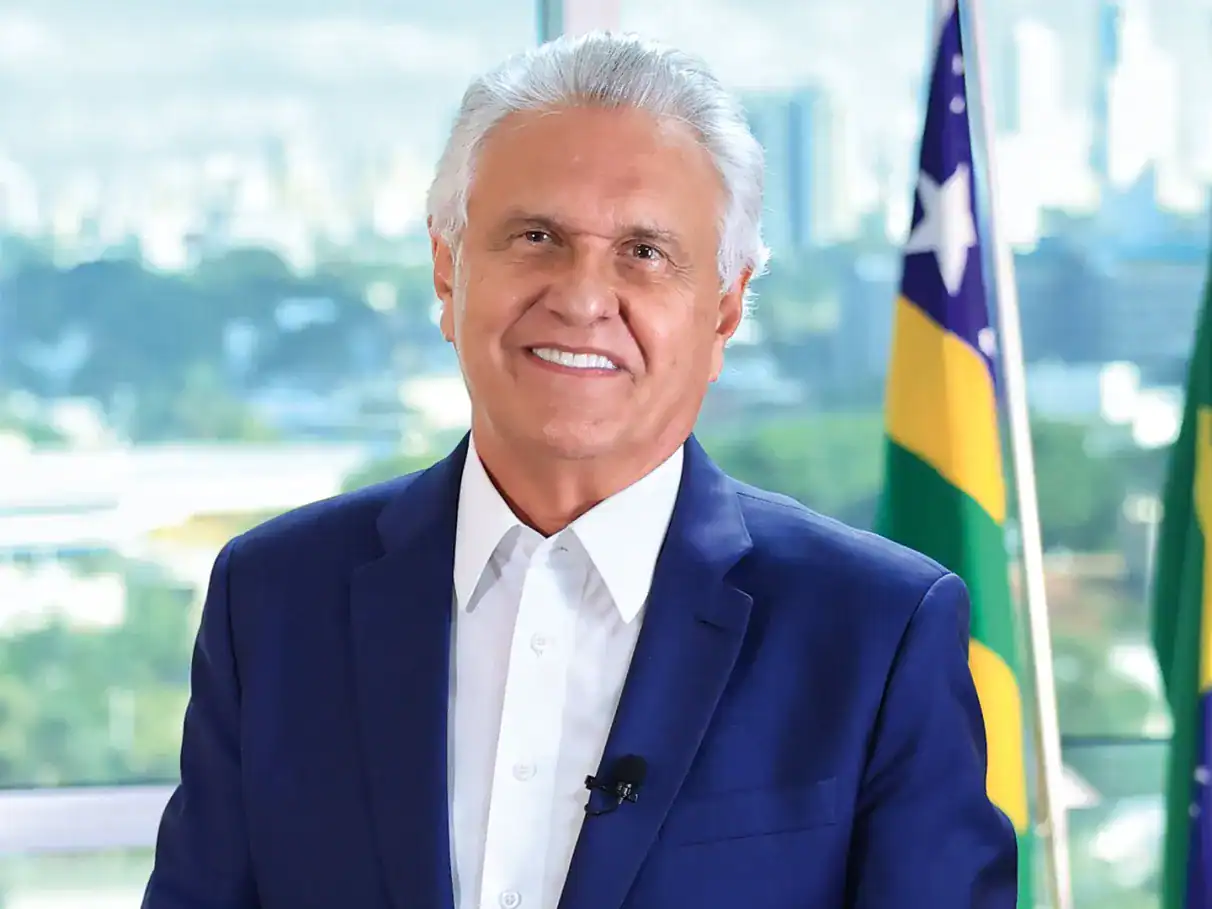
— —Ronaldo Caiado, the PSD presidential pre-candidate and former governor of Goiás, said in Belo Horizonte on April 23 that a government led by him would open parts of Petrobras to private capital — the Caiado Petrobras privatisation pitch is the first concrete energy-policy position from a major 2026 centre-right candidate.
— —Caiado framed the proposal as a “technical slicing” rather than a full sale — the state-controlled oil producer has “more than ten business lines” in his reading, with the internationally respected pre-salt deep-water exploration unit kept in public hands and weaker units, particularly natural gas, opened to the private sector.
— —The Belo Horizonte remarks came during a pre-campaign swing through Minas Gerais, where the PSD does not hold the governorship and Caiado is trying to peel agricultural voters away from Romeu Zema (Novo) and indirectly from Flávio Bolsonaro (PL) in a fragmenting centre-right field.
The Caiado Petrobras privatisation pitch is the first clean piece of energy-policy signalling from a 2026 centre-right candidate — and a marker of how quickly the privatisation debate is returning to the centre of Brazilian political life after two years of Lula-era state capitalism.
The Rio Times, the Latin American financial news outlet, reports that Ronaldo Caiado, the presidential pre-candidate of the Partido Social Democrático and former governor of Goiás, told reporters at the headquarters of the Federação da Agricultura e Pecuária de Minas Gerais on Thursday, April 23, that a future Caiado administration would open parts of Petrobras to private capital. The Caiado Petrobras privatisation proposal, delivered during a pre-campaign swing through Belo Horizonte, is the first concrete energy-policy marker from any major 2026 centre-right candidate. Caiado was asked directly about the future of the state-controlled oil producer during the press conference and answered that Petrobras “has more than ten business lines” and should be treated “item by item” rather than sold whole.
“You do not reduce Petrobras to a single thing,” Caiado told reporters, according to coverage by the Estado de Minas newspaper. “You do not give up everything — you give up the parts that will be leveraged.” He singled out the pre-salt deep-water exploration business as the unit that must remain under public control, noting that Petrobras “is recognised worldwide as the most prepared in pre-salt exploration.” The sharpest criticism was reserved for the natural-gas segment, which Caiado described as an obstacle to regional development — particularly in Minas Gerais and Goiás — and a prime candidate for private-sector handover.
What the Caiado Petrobras privatisation plan would and would not do
The framing of the proposal matters as much as its substance. Caiado was careful not to repeat the all-or-nothing rhetoric associated with the Bolsonaro-era Economy Ministry under Paulo Guedes, which floated but never delivered a full Petrobras sale. Instead the Caiado team is promoting what his press conference in Belo Horizonte labelled a “fatiamento técnico” — a technical slicing by business line in which only the segments the state cannot efficiently operate would be divested.
Caiado declined to list specific units he would sell first, but his energy-policy remarks during the same day’s agenda pointed toward a wider reshaping of the Brazilian fuel matrix. The ex-governor argued that Brazil “has no fuel policy” and said his government would push biomethane, expand the ethanol blend in gasoline and raise the biodiesel content of diesel — positions that align closely with the interests of the Minas Gerais and Goiás agro-industrial base he was addressing. The natural-gas criticism is strategically loaded, since the segment was already partially deregulated under the 2021 Gas Law and remains one of the most politically contested areas of Petrobras’s downstream operations.
The political positioning behind the BH swing
The venue and timing of the announcement were not accidental — Minas Gerais is Brazil’s second-largest electoral college and a structural swing state in presidential races, and the current governor, Mateus Simões (PSD), did not attend the Belo Horizonte event. Simões was released by his own party to back Romeu Zema (Novo), the outgoing Minas governor and rival right-wing pre-candidate. Caiado downplayed the absence — “I do not govern that way; I govern by analysing item by item” — but the snub underlines how fragmented the centre-right has become heading into the first-round calendar.
Caiado was confirmed as the PSD presidential pre-candidate on March 30 after Paraná Governor Ratinho Júnior withdrew and party leader Gilberto Kassab passed over Rio Grande do Sul Governor Eduardo Leite — a sequence The Rio Times covered when the candidacy was formalised. He polls in low single digits, well behind both incumbent Luiz Inácio Lula da Silva and Senator Flávio Bolsonaro, and his strategic play is to build a centre-right lane that eventually positions him as a runoff fallback — or as a kingmaker willing to endorse Flávio late in the calendar.
Live Company IntelligencePetroleo Brasileiro Petrobras SA ADR — the full investor dossier
Wall Street view
Valuation & profitability
Price & risk
$10.6552-wk high
$26.11
Revenue trend · 6y
Ownership
Dividend
What investors should take away from the Caiado Petrobras privatisation signal
For international investors in Brazilian energy equities, three points matter — first, Caiado’s proposal is the first candidate-level pledge of 2026 that would reverse the Lula administration’s recentralising energy agenda, and the segment-by-segment framing is substantially more market-credible than an all-at-once Petrobras sale that Congress would never pass. Second, by placing natural gas and midstream/refining operations in the sell pile while ringfencing pre-salt, the pitch echoes the partial-divestment playbook already being implemented in other Latin American markets where state oil producers retain the crown-jewel assets. Third, the political economy still constrains any privatisation programme, since Petrobras is the Brazilian public-equity market’s largest dividend payer and a significant share of the state’s own revenue base comes from participações especiais and royalties.
The Caiado Petrobras privatisation debate also arrives against a backdrop of elevated Brent prices driven by Hormuz tension, a factor that has supported Petrobras PN shares through most of April. Investors tracking the broader Brazil 2026 macro set-up should note that the election-cycle risk premium embedded in Petrobras pricing will rise as further centre-right policy positions emerge over the coming months. The significance of the Belo Horizonte remarks is less in the policy detail than in the fact that a privatisation pledge is now on the record from a viable candidate.
Related coverage: PSD Picks Caiado, Right Splinters • Zema Rejects Flávio VP Slot • Brazil Economic Outlook 2026
More: Brazil news in English, every day from The Rio Times.
This article was produced by The Rio Times’ automated newsroom system. How we use AI · Report an error · Editorial responsibility: Matthias Camenzind, Editor-in-Chief