Brazil Auction for 16.7 GW Faces Court, Aneel and CADE Challenges
Key Facts
—The action. Brazil’s electricity regulator Aneel suspended on May 13 the homologation of the 2026 LRCAP capacity-reserve auction won by a consortium including the Batista brothers (J&F group), André Esteves’s BTG Pactual, Petrobras and others, pending judicial decision after the Federal Prosecutor’s Office (MPF) demanded immediate suspension of all homologation, adjudication and contract-signing acts citing modeling and pricing irregularities.
—The size. The LRCAP 2026 auction contracted 16.7 gigawatts of thermoelectric capacity from fossil gas, coal, fuel oil and diesel-fired plants, the largest reserve-capacity auction in Brazilian electricity-sector history, with 15-year contracts for new plants and 10-year contracts for existing ones starting July 1, 2026.
—The CADE inquiry. Brazil’s antitrust authority CADE opened a separate investigation following a complaint from deputy Danilo Forte requesting suspension and investigation of alleged cartel formation and abuse of economic power; the inquiry parallels the Federal Court of Accounts (TCU) review and a congressional motion (PDL 2.608/2026) seeking to overturn the auction entirely.
—The winners list. The contracts went to Petrobras, Eneva, Axia Energia (former Eletrobras), J&F (Joesley and Wesley Batista), Copel, Epasa, Porto do Pecém I, Suzano, Imetame and Cocal Biometano; the André Esteves angle traces through BTG Pactual’s structuring and financing role for several of the winning projects rather than direct concession ownership.
—The market concerns. The National Front of Energy Consumers (FNCE) and Abrace, an industrial-consumer association representing nearly 40% of Brazil’s industrial electricity consumption, both warned that the volume contracted exceeded actual system need and that competition in the auction was “very low,” with several rounds receiving only one or two bidders.
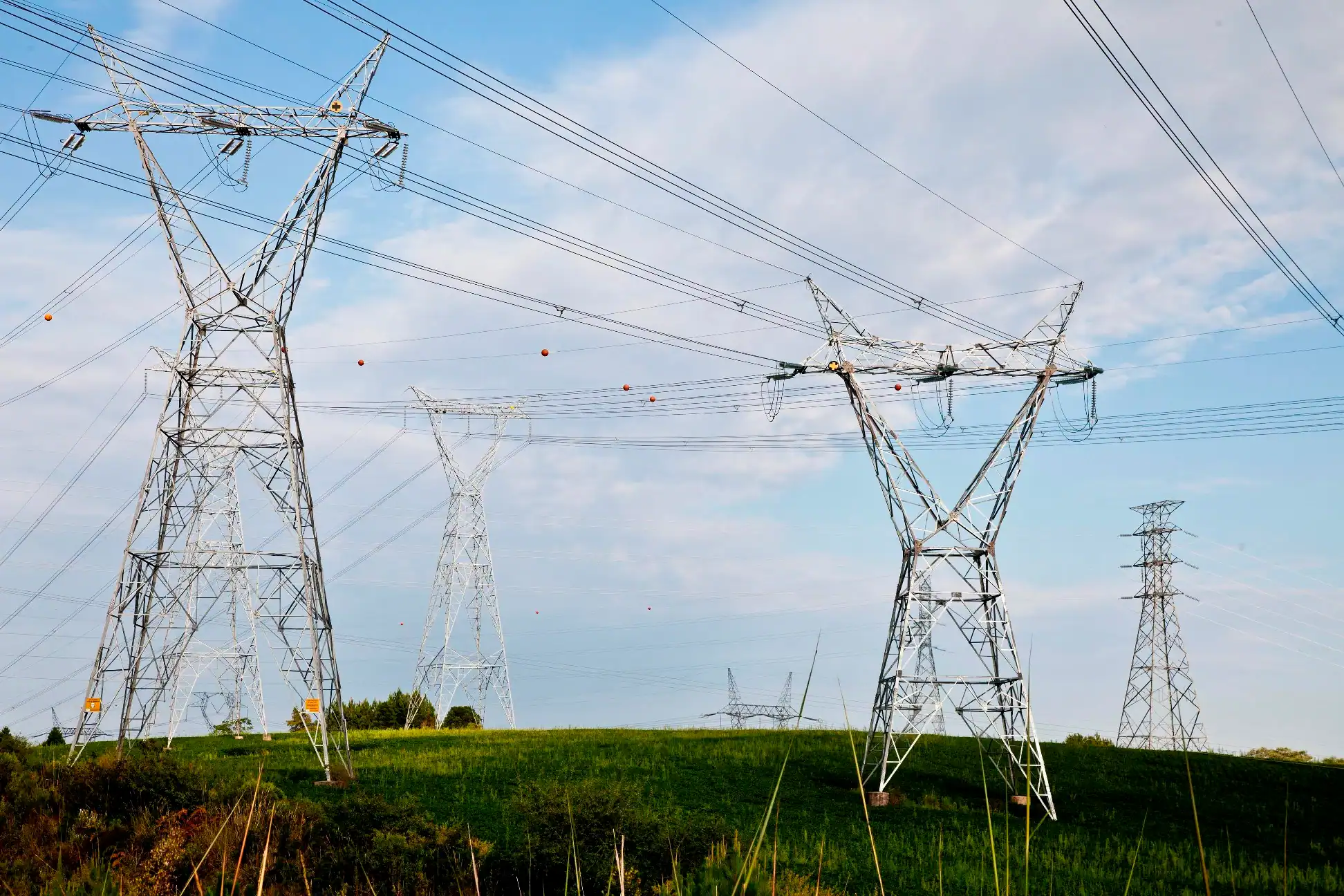
The Aneel suspension converts the LRCAP from a contract-signing technicality into the central test of whether Brazil’s energy regulator can confront a consortium that includes the country’s largest industrial conglomerates and a sitting state-controlled oil major during the same week that BTG Pactual’s chairman André Esteves faces parallel scrutiny over the Banco Master collapse.
What did Aneel actually suspend?
Aneel suspended the homologation of the 2026 LRCAP (Leilão de Reserva de Capacidade na forma de Potência), the largest reserve-capacity auction in Brazilian electricity-sector history. The auction was held in two stages in March 2026 and contracted 16.7 gigawatts of thermoelectric capacity from fossil gas, coal, fuel oil and diesel-fired generation. The original schedule called for homologation and adjudication between late May and early June, with contract signing 25 days later. The Federal Prosecutor’s Office (MPF) filed on May 13 requesting immediate suspension of all three steps until pricing and modeling concerns are addressed.
Federal judge Manoel Pedro Martins de Castro Filho initially denied the precautionary measure on May 11 but reversed course days later, granting a 48-hour window for the Ministry of Mines and Energy, Aneel and the Energy Research Company (EPE) to provide technical explanations and documents. The court request from the MPF asks the government to produce impact studies, calculation memoranda justifying price-ceiling adjustments, and explanations of the choice to contract thermoelectric capacity instead of battery-storage systems, per Canal Solar.
Who won the contracts?
The LRCAP 2026 contracts went to a concentrated group of Brazilian industrial conglomerates and state-controlled energy companies. Petrobras alone contracted approximately 3.7 GW. Eneva, the gas-to-power specialist, won multiple rounds. The Batista brothers’ J&F group, controllers of meat-processing giant JBS, won contracts through their power subsidiary. Axia Energia, the former Eletrobras after the company’s privatization, also contracted significant capacity. Other winners include Copel (Paraná state utility), Epasa, Porto do Pecém I, Suzano (pulp and paper), Imetame and Cocal Biometano.
| Group | Approx. capacity (GW) | Strategic angle |
|---|---|---|
| Petrobras | ~3.7 GW | State oil major, gas-to-power vertical integration |
| J&F Group (Batista brothers) | Significant exposure | JBS controllers, energy diversification |
| Eneva | Multi-GW | Listed gas-to-power leader, Q1 2026 +36% |
| Axia Energia (ex-Eletrobras) | Multi-GW | Largest Brazilian utility, post-privatization |
| Other winners | Balance | Copel, Epasa, Porto do Pecém I, Suzano, Imetame, Cocal |
| Total auction | 16.7 GW | 15-year (new) and 10-year (existing) contracts, July 1, 2026 supply start |
Source: ClimaInfo auction winners list; Aneel auction homologation documents; press disclosures May 12-13, 2026.
André Esteves’s connection runs primarily through BTG Pactual’s role as financial structurer and capital provider for several of the winning projects rather than direct concession ownership. BTG Pactual has been actively positioning in the Brazilian energy transition through both equity and debt-financing structures, making the LRCAP auction’s potential collapse a parallel reputational and balance-sheet risk for the bank that is already managing the Banco Master fallout.
What are CADE and TCU investigating?
CADE opened an inquiry following a complaint from federal deputy Danilo Forte alleging cartel formation and abuse of economic power in the auction. The TCU has been conducting parallel oversight since late 2025, repeatedly asking Aneel for formal clarifications on the auction’s modeling. The combination of three concurrent investigations (Aneel, CADE, TCU) plus the MPF judicial action and the congressional PDL 2.608/2026 motion creates an unusually broad institutional pressure that makes a clean homologation difficult, even if individual investigations clear specific elements.
The core technical complaints are three. First, the auction contracted 16.7 GW when industrial-consumer associations argued the actual system need was closer to 8-10 GW. Second, the choice of thermoelectric capacity instead of battery storage was made without an explicit cost-benefit analysis. Third, several individual auction rounds received only one or two bidders, leaving the price discovery mechanism essentially negotiated rather than competitive. The FNCE consumer association estimates the contract excess could add R$0.05-0.08 per kilowatt-hour to industrial electricity bills over the 15-year contract term.
How does this connect to the broader political-finance scandal?
The LRCAP suspension lands in the same week that the broader Banco Master scandal exposed direct $24 million negotiations between senator Flávio Bolsonaro and jailed banker Daniel Vorcaro for the Dark Horse film. André Esteves has been giving public testimony framing the Master collapse as a systemic supervision failure rather than a BTG-specific problem. The LRCAP investigation introduces a second front: it forces Esteves and BTG into a parallel defensive position over auction-structuring choices that are now under formal regulatory and antitrust scrutiny.
The J&F angle is similarly compounded. Joesley and Wesley Batista have rebuilt the group’s reputation since the 2017-2020 leniency-agreement period, and the LRCAP win represented a strategic diversification away from meat processing into energy infrastructure. A forced auction unwind would unwind that diversification path. Petrobras under CEO Magda Chambriard, fresh from the May 12 gasoline-pricing signal and the May 13 fuel-subsidy decree, now adds a third regulatory front to the company’s busy week.
What should investors and analysts watch next?
- 48-hour Aneel/EPE/MME deadline: The federal judge gave a 48-hour window for the three energy authorities to provide technical documentation. The deadline expires May 15. A complete technical justification that addresses the volume, mechanism and pricing concerns would likely lift the suspension; partial responses extend the litigation timeline by weeks.
- CADE inquiry scope decision: CADE has opened the inquiry but has not yet specified scope. A scope that includes specific bid-coordination questions across rounds would dramatically increase the probability of contract restructuring; a narrower scope on individual round dynamics is less consequential.
- Eneva and Axia Energia stock reactions: Eneva (B3: ENEV3) and Axia Energia (B3: AXIA3) are the two listed pure-play winners with material exposure. Stock moves below recent ranges would signal market expectations of forced restructuring; resilience above current levels would suggest the suspension is a procedural delay rather than a substantive risk.
- Congressional PDL 2.608/2026 vote: The motion to overturn the auction entirely is making slow progress in the lower house. A formal floor vote within 30 days would force Lula’s administration to either defend the auction or accept restructuring. The vote timing is the principal political-process variable.
- Petrobras 3.7 GW project status: Petrobras committed to 3.7 GW of contracted capacity assuming homologation. Any signal that the company will defer associated capex or rework supply contracts would indicate the company expects an extended suspension.
More: Brazil news in English, every day from The Rio Times.
Frequently Asked Questions
What is the LRCAP?
The Leilão de Reserva de Capacidade na forma de Potência is a Brazilian reserve-capacity auction designed to contract dispatchable thermoelectric generation that can be activated during peak demand hours when solar generation drops in the late afternoon and wind generation underperforms. The product is critical for grid stability as Brazil’s renewable share has grown above 90% in some seasonal windows, leaving the system vulnerable to evening capacity gaps.
What is Aneel?
Aneel is Brazil’s national electric energy agency, the federal regulator for the entire electricity sector including generation, transmission, distribution and pricing. The agency was created in 1996 as the regulator-implementer of the 1990s electricity-sector privatization wave. Aneel approves auctions, sets tariffs and adjudicates disputes among generators, transmission companies and distributors. Its director general is currently Sandoval Feitosa.
Why are thermoelectric plants politically controversial?
Thermoelectric plants in Brazil burn fossil gas, coal, fuel oil or diesel, making them more expensive than solar and wind on a levelized cost basis and significantly more carbon-intensive. The renewable energy lobby, including industrial consumers and environmental groups, argues that battery-storage systems can now provide the same dispatchable capacity at lower cost. The pro-thermoelectric lobby argues that battery technology is not yet ready at scale for the kind of multi-hour peak demand the Brazilian grid requires.
How does this affect Brazilian electricity bills?
The LRCAP contracts pass through to end-consumer electricity bills via a regulated mechanism. The FNCE consumer association estimates the contracted volume exceeds actual system need by approximately 6-8 GW, which would translate into R$0.05-0.08 per kilowatt-hour of additional cost for industrial consumers over the 15-year contract term, equivalent to approximately R$8-12 billion in cumulative excess cost. The residential and commercial sectors would see proportional increases.
Could the auction be unwound entirely?
Yes. The combination of judicial suspension, CADE inquiry, TCU review and congressional motion creates multiple pathways for an unwind. The most likely outcome is partial restructuring: keeping the volume that addresses actual system need (8-10 GW) and renegotiating the excess. A full unwind would require Aneel to formally annul the auction and call a new competitive process, which could delay supply commencement to 2027 or later and disrupt grid-stability planning.
Connected Coverage
Related Rio Times coverage: BTG’s Esteves says Banco Master supervision failure was systemic · Flávio Bolsonaro asked jailed banker for $24 million to fund movie · Petrobras signals gasoline hike as Brent hits $103.
Published: 2026-05-14T08:15:00-03:00 · Updated: 2026-05-14T08:15:00-03:00 · Dateline: BRASÍLIA
This article was produced by The Rio Times’ automated newsroom system. How we use AI · Report an error
Read More from The Rio Times